23 January 2026
1300 794 893
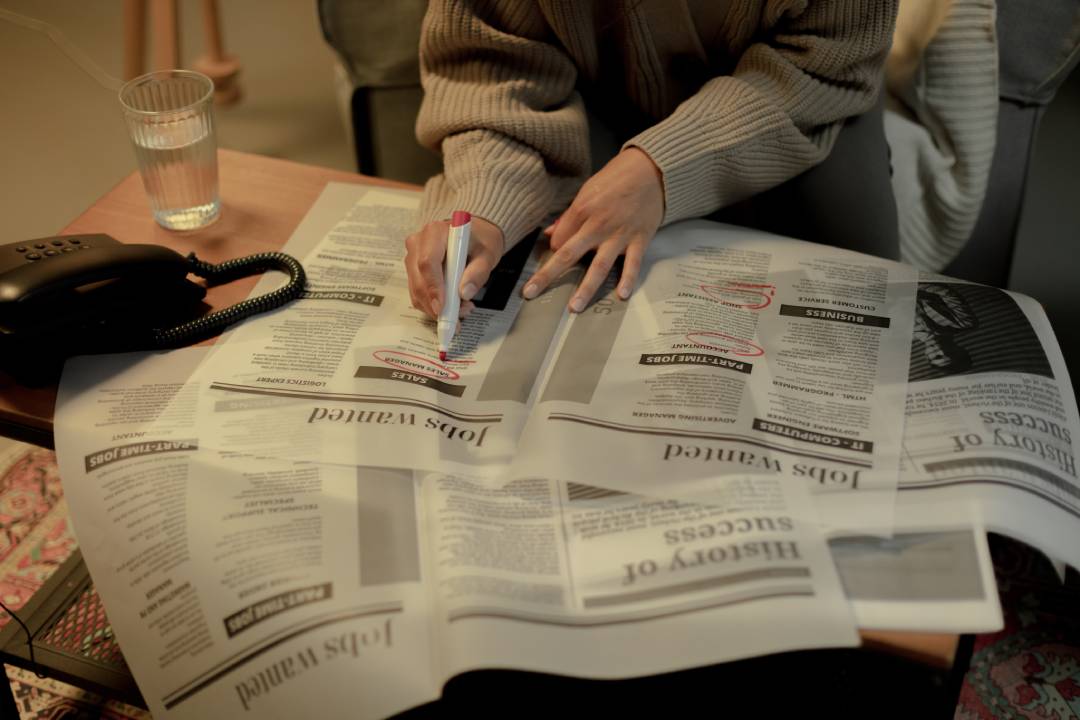
First up, there’s good news on unemployment. But this could lead to the bad news of rate rises in February.
It was great news for job seekers with the unemployment rate unexpectedly falling from 4.3% to 4.1% and 65,000 new jobs were created in December. However, this has increased the likelihood that the Reserve Bank could raise the cash rate by 0.25% on February 3.
This is crushing news for households with big mortgages and businesses with expensive loans. It’s also a negative for those businesses that supply goods and services to the Australians in the so-called mortgage belt. Potentially, these customers are not only going to be faced with bigger home loan repayments, they’ll also be spending less on lifestyle goods and services.
The only thing that can rescue those with big mortgages will be a surprisingly good Consumer Price Index (CPI) number next Wednesday, which will hose down the prospects of a rate rise on Tuesday week.
Oh yes, there is one other way a rate rise might be delayed and that would be if the RBA thinks the ABS statistician’s numbers are unreliable or seasonally known to be dodgy. Afterall, most economists expected the jobless rate to go from 4.3% to 4.4%, not down to 4.1%!
Either our economists need to go back to school, the ABS has a problematic calculator, or our economy is changing so much that once reliable models to guess things like unemployment, job creation, inflation and so on are now unreliable.
What would make economies change? Try these reasons: the hangovers from the Covid lockdowns, the work-from-home trend, the arrival of AI and big spending governments federally and at the state-level.
Treasurer Jim Chalmers welcomed the fall in unemployment. And while I can understand that, will he accept that he and his government are arguably the biggest cause of persistently higher inflation that’s making a rate cut on Tuesday week distinctly possible?
In reality, he should be holding back his crowing until that inflation figure is out on Wednesday. If it’s lower than expected, we should give him praise. But if it’s a shocker, then he should cop a right bollicking!
Why? Try these revelations in yesterday’s AFR:
1. There was a record $47.8 billion budget error!
2. Treasury public servants miscalculated how many Australians would take up budget nice guy “social support programs, such as home battery subsidies, as well as the impact of the student debt relief scheme.”
3. The AFR’s Luke Kinsella reported: “The revisions figure is the highest in the 25 years of budget history tracked by the Parliamentary Budget Office.”
4. Kinsella also pointed out that “Government spending reached 26.9 per cent of gross domestic product in 2025-26, the highest level outside the pandemic and $58 billion more than what was forecast in the Albanese government’s first budget in 2022.”
While Chalmer’s economics/public servant team have screwed up, he and his party design the policies, and his government workers try to ‘guess’ the impact on the economy and nation’s finances.
The collective stuff up adds to demand in the economy, which then adds to inflation, helps job creation and then leads to rate rises not rate cuts!
In a sense, the RBA would have relied on these ‘crap’ figures from Treasury, when it cut interest rates and so, in a sense, were misled. Thank you, Jim.
The Australian’s Matt Cranston and Noah Yim tell us that financial markets think there’s a 50% chance of a cash rate rise from 3.6% to 3.85% on Tuesday week following the drop in unemployment. Before those numbers, the betting was only 30% for a rate rise at the next RBA meeting.
Economists like Betashares chief economist David Bassanese said the lower unemployment rate wouldn’t necessarily lock in a rate hike next month, pointing to the inflation figure as more the ‘make it or break it’ issue for interest rates.
While other economists are telling us a rate rise is coming in February, they are ‘guessing’, in an economy that’s becoming harder to guess than ever before, such that public servant ‘expert’ economists (whose job it is to know our economy) have totally mis-guessed the economy! This has led to Dr Jim overspending, which might have created jobs, but it might have sustained inflation, which means higher rather than lower interest rates.