22 February 2026
1300 794 893
Many of the expert economists who told us to expect interest rate cuts in 2026 are now saying rates will rise in February! However, there are plenty of their rivals who don’t agree.
While I don’t like reporting this, my job isn’t telling you what I want to hear, or you might want to read. My job is to give you the best take on market and economic information, and this at the core of why I do this. Sure, it helps my investing and the strategies I create for my clients but being a conduit through which all my readers can be privy to what the smarties in high-end finance know is important to us here at Switzer.
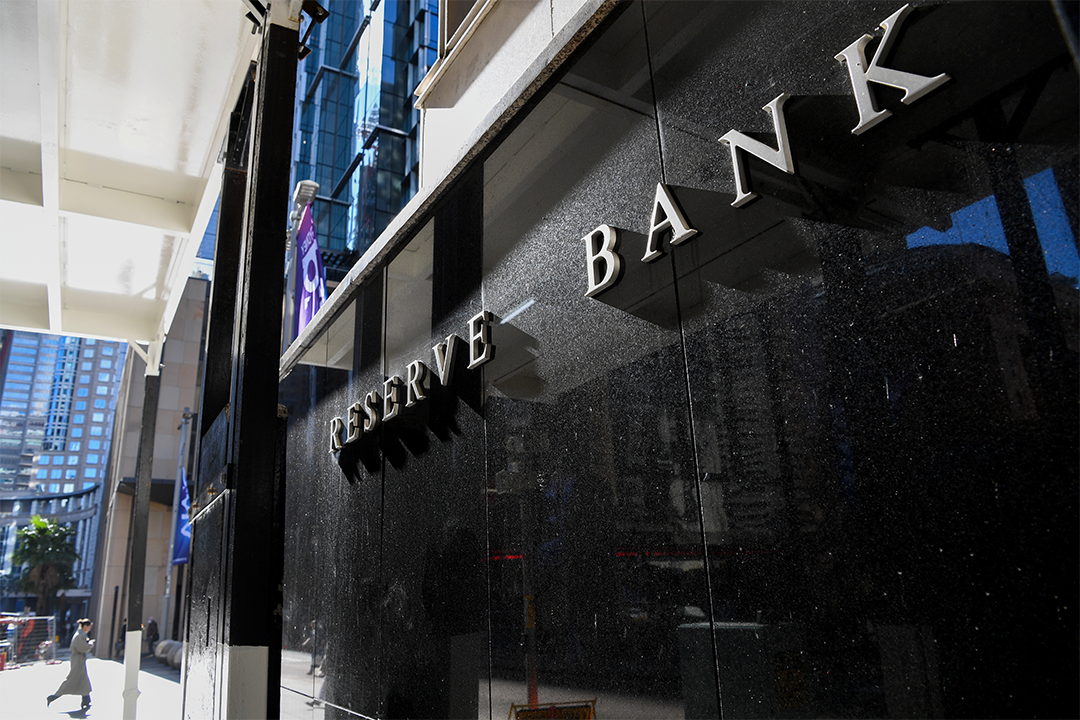
The AFR’s Cecile LeFort reports that Australia’s RBA is set to lead the world with Japan as rate-risers for 2026. And it could be as early as February. The respected journalist tells us we now have NAB, Citi and the CBA forecasting a cash rate hike in the first meeting of next year. And we should hear about it on February 3.
However, these banking economists are late callers compared to Warren Hogan, who has been against many of the cuts. And then there’s Michael Knox of Morgans, who I interviewed on Switzer Investing TV two weeks ago, who said he expected at least two rises next year.
You can see that interview here: https://switzer.com.au/the-experts/switzer-tv/switzer-investing-tv-08-12-25-what-would-our-experts-invest-in-now-for-growth-in-2026/
When I interviewed Knox, I ended the chat by saying that while I respected his views “I hope you’re wrong.”
You see, I think these rate-rise headlines that will scare lots of Australians deep in debt should actually help the RBA achieve its goal to hose down demand to lower inflation. In fact, if the fear factor of higher rates soon slows down spending, it should also raise unemployment and lower business investment.
Also, this news can’t be good for business and consumer confidence, which is already on the wane.
This is what the NAB economics team found out about the business sector: “The latest NAB Monthly Survey from November 2025 indicated a decline on both business confidence and conditions.”
Only two days ago, Westpac’s consumer confidence readings weren’t great. “The Westpac–Melbourne Institute Consumer Sentiment Index fell 9% to 94.5 in December from 103.8 in November,” the bank’s economists reported. But they had more to say and most of it wasn’t a good take on our economy.”
Here is their summary about consumers:
One bright spot for the economy that might make economists tip a February rise is the unemployment number, which in November was steady at 4.3%. But there was bad news too.
Economists expected 20,000 new jobs would be created but 21,000 were lost, which is a 41,000 miss. And while part-time work increased by 35,000 positions, the more important full-time jobs slumped by a big 57,000.
This doesn’t look like an economy in desperate need of a rate-rise, but the RBA is worried that inflation is stubbornly high.
However, it’s important to understand that two of the bigger drivers of that inflation are power prices and the Albanese Governments tax cuts, spending and public service expansion. However, rate rises are the only real tool to stop the spending that’s driving these higher prices. The other tool is scary, RBA-created headlines which economists call jawboning.
Right now, money markets give a February rate rise only a 33% chance of happening. I hope these guys are right.
For those hoping the rate rise callers are wrong, here’s AMP’s Shane Oliver’s current view: “The RBA will be data dependent, and our assessment remains that the RBA will leave rates on hold next year.” He added: “Don’t forget that we may have seen variations of this movie before – a year ago Governor Bullock warned ‘underlying inflation is still too high to be considering lowering the cash rate target in the near term’…and then we got softer trimmed mean inflation data for the December quarter and the RBA cut in February!”
Oliver rightly argues that the December quarter CPI (to be released in late January) and the less reliable monthly November CPI (out on 7th January) will be important numbers for the RBA board.
His economics team thinks underlying inflation will drop back to 0.8% quarter-on-quarter (which is the RBA’s forecast) or slightly less from 1% quarter-on-quarter in the September quarter (partly supported by the weaker trend in final product prices from business surveys). This would allow the RBA to remain ‘on hold’ at its February meeting.
By the way, the RBA has to be careful about shooting from the hip with interest rate changes. There are economists who won’t bag the central bank publicly, but many now argue that the bank’s board moved to early and gave more cuts than needed. Some imply government pressure ahead of an election didn’t help.
While Deutsche bank economists agree with Oliver about rates on hold for 2026, Westpac’s team of number crunchers led by Luci Ellis (a former Assistant Governor (Economic) of the RBA) thinks the next move will be down later in 2026.
Go Luci!