Is Governor Bullock’s warning of a rate rise possibly next Tuesday week nothing more than sensible jawboning meant to hose down the ‘fires’ that are stoking price rises from businesses and governments right now?
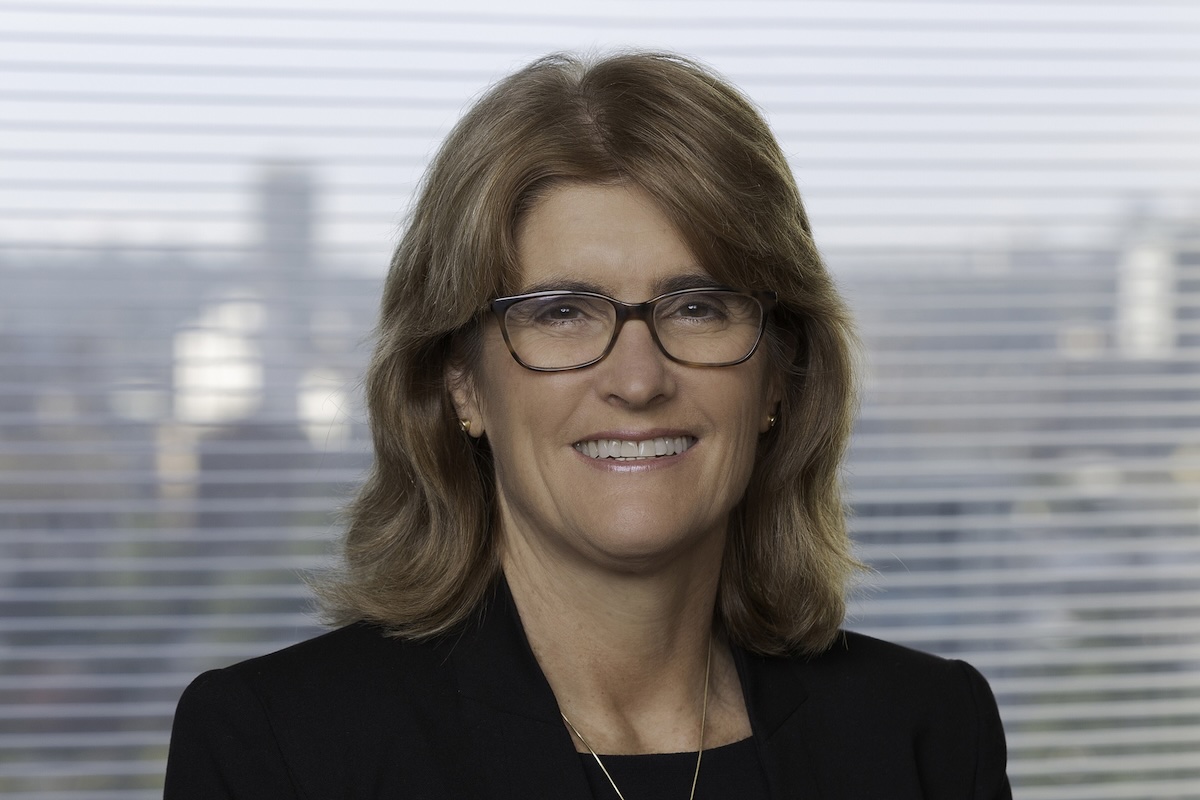
After this Iran war broke out over the weekend, on Monday with my weekly chat with Peter Stefanovic on Sky News (now called News24), I made the point that this should stop the RBA from hitting us with an interest rate rise in March. Today, however, The Australian’s Matt Cranston says Michele Bullock has implied a rate rise is “live” for March 17. To which I have to ask this: would the RBA be that dumb to actually raise rates when this war threatens both inflation and a recession?
Inflation comes via petrol price rises because the Strait of Hormuz is virtually closed and other costs are bound to be added to exports from all around the world.
One example could come from ships now going around the Cape of Good Hope rather than risking it sailing through the Suez Canal. That would add to shipping costs as well as related insurance, and both would be bad for worldwide inflation.
On the other hand, a recession could come from a collapse of global trade. If this happens, the RBA would need to cut rates.
Powering Cranston’s story is the news that “Treasury has warned the Albanese government that the Iran conflict could initially push up inflation by 0.15 per cent and petrol prices by 3.5 per cent.”
While this revelation would not have surprised the Reserve Bank Governor, I hope Bullock’s warning of a rate rise possibly on Tuesday week is nothing more than sensible jawboning meant to hose down the ‘fires’ that are stoking price rises from businesses and governments right now.
I see this jawboning like that Fleetwood Mac song that begs that we need to be told “sweet little lies”. That’s what I hope Bullock is doing. ‘Lying’ to trick us into helping her beat inflation is a sensible lie that most economists would endorse.
Cranston reports that both Resources Minister Madeleine King and Energy Minister Chris Bowen say we have gas and oil reserves that should not jeopardise the economy, so panic buying of petrol isn’t necessary.
I bet this will fall on deaf ears.
On a rate rise this month, money market ‘guessers’ have it at a low 33%. Most expect one in May before the Budget on the12th. However, if this war drags on longer than President Trump has predicted — “four weeks or less” —then we’d have a double-edged problem of both inflation and a recession threatening.
While inflation is obvious, a recession would come from this war. The impact on oil prices hurting global trade isn’t great for an economy like Australia that’s a big exporter with a small domestic population.
But it’s not just an oil problem. Qatar, which has been copping drone and missile bombing, provides 20% of the world supply of gas. And insurance companies could charge for the higher cost of using alternative routes.
With both headline and core inflation well outside the 2-3% band that the RBA wants for inflation, another rate rise can’t be ruled out. But if the RBA moves in two weeks’ time, it could be a mistake of Phil Lowe proportions. In 2021, Lowe told us that it was very likely that rates wouldn’t rise until 2024, but he started hikes in 2022!
That might have been a “sweet little lie” to get people borrowing after Covid smashed the economy via lockdowns and the cash rate was a record low 0.1%. However, for many of those who over-borrowed and saw 13 rate rises after that, it was hardly a sweet lie.
Sensibly, Treasurer Chalmers has the ACCC on alert to watch retailers who might try and price gouge using the war and oil price rises to exploit consumers.
It’s great Bullock is telling “sweet little lies” about a possible and imminent rate rise to worry people about spending too much, to hopefully contain inflation. But given we don’t know how long this war will last and how it could affect global trade and worldwide economic growth, waiting until May makes perfect sense for the RBA to move, if move it must.
Also, over March and April, there’ll be more economic data on unemployment and inflation that should make a May central bank decision on interest rates much better informed. And that’s no lie!
(In case you were wondering why Sky News Australia will now be called News24, it’s because the licensing deal with the UK’s Sky News expired, so the Murdoch/News Corp controlled service rebranded itself as News24, which the ABC is annoyed about as it launched ABC News 24 in 2010. A trademark battle has been tipped!)