5 February 2026
1300 794 893
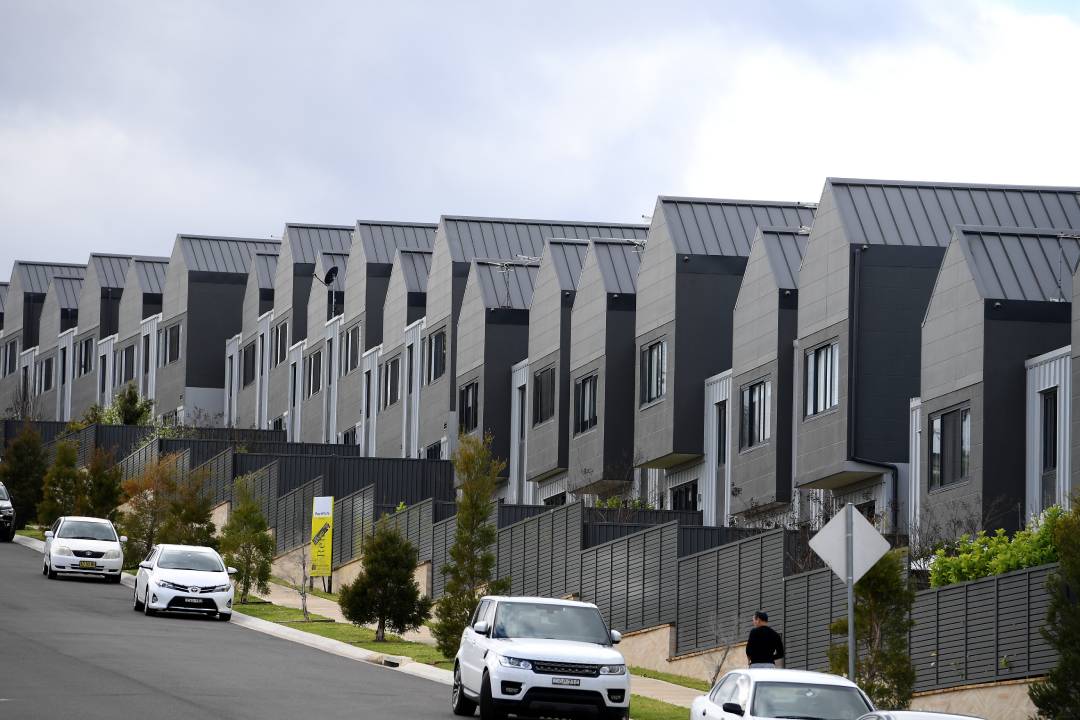

Faced with his $57 billion budget blow out over the next decade, the Treasurer’s on the hunt to collect more tax and his eye has spied the capital gains tax discount. How risky is this move for Jim and all investors?
After being blamed for being too soft and blowing out the budget deficit by $57 billion over the next 10 years, Treasurer Jim Chalmers could be taking ‘tough guy’ therapy, with the news he could reduce the capital gains tax (CGT) discount when investors sell assets that have grown in value.
Apart from being a financial kick-in-the-pants as well as the hip pocket of property and share players, potentially it could be a Bill Shorten-style election loser. And you can bet the Coalition would at long last have a policy they could get unified around, which would be to reverse any policy change linked to this tax discount.
For those not up with taxes, while the family home doesn’t attract a capital gains tax, all other assets that grow in value are taxed at the seller’s personal income tax rate on any gain made. However, if the asset (mainly property and stocks) is kept for over a year, then a discount of 50% applies.
Right now, the Treasurer hasn’t ruled it out for the May Budget and the Greens have been big fans of reducing the discount.
The ALP went to both the 2016 and 2019 elections promising to halve the rate to 25% for all assets. These ideas weren’t well-received by voters and it showed in the related election losses.
In the 2025 poll, the Greens took a policy of allowing the discount for one investment property and killing it for shares. And they were smashed in the poll as the Albanese Government won 94 of the 150 seats in the Federal Parliament’s House of Representatives.
On Wednesday, when asked about the discount being reduced, the Treasurer said the issue should be discussed because of intergenerational issues.
The Daily Telegraph’s John Rolfe tells us: “The CGT discount is expected to cost the budget $21.8 billion this financial year, Treasury estimates show [and] about 830,000 people used it in 2022-23, which is the most recent data”.
And 80% of these taxpayers were in the top 10% of income earners.
The Parliamentary Budget Office calculates that the discount on residential properties will cost $6 billion this financial year and $78 billion over the next decade.
That’s the saving. But what would be the effect of this change? Try these:
Property prices in Australia tend to rise and this helps consumer confidence but if more households are more exposed to stocks, then a big fall in share prices would undermine confidence and spending during those times. This could lead to more and deeper recessions.
And by the way, recessions play havoc with budget deficits as they kill businesses and jobs, which leads to less tax collections and more outlays for those on the dole queue.
The economy is a complicated beast and investments that drive the economy and the creation of jobs have been helped by the CGT discount.
Note to Jim: take this one away at your peril. A bigger GST with income tax cuts might be a smarter play.