2 February 2026
1300 794 893
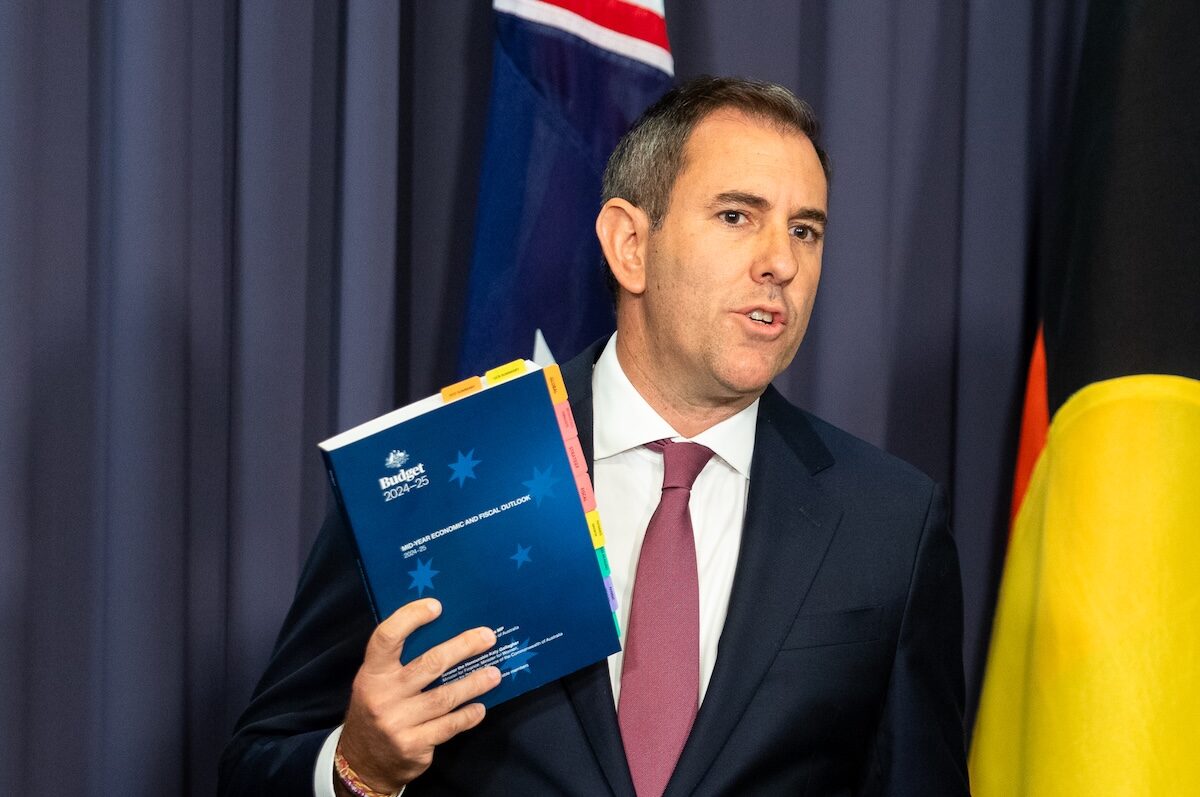

What follows is an economic assessment that says Treasurer Chalmers ha been ‘gilding the lily’ when it comes to his role in the huge blow out in the budget deficit over the next decade.
This isn’t a political take on Treasurer Jim Chalmers. What follows is an economic assessment that says he’ s been ‘gilding the lily’ when it comes to his role in the huge blow out in the budget deficit over the next decade. The AFR’s Economics Editor John Kehoe has accessed calculations by the Parliament Budget Office, Treasury, economists Chris Richardson and Steve Anthony (who were ex-Treasury number crunchers) and they’ve found two-thirds of this $57 billion budget blow out is because of “future spending” linked to Labor-created policies.
Many of these ‘promised’ policies must have had a big impact on the sensational election win by the Albanese Government in May last year.
Last week, the AFR made the point that it was too much committed spending that had rocked the budget’s expected spending figures but on Sky News Treasurer Chalmers refuted this saying it was because of lower tax receipts.
Kehoe kept hounding the Treasurer for proof that it was taxes rather than too much spending causing the ballooning budget down the track, but nothing was delivered.
This has left Kehoe to conclude the following: “Analysis of new figures provided by the PBO using Treasury’s 10-year budget data confirm the cumulative budget deterioration was between 60 per cent and 70 per cent due to higher spending. About 30 per cent to 40 per cent was due to weaker projected tax revenue over the final seven years to the middle of next decade.”
On this information, we can forget about budget surpluses for the next 10 years, unless something like a resources super boom comes along to bankroll promises made by the current Government.
What are the implications for this over-spending?
Economists suggest the following:
Both Kennedy and Wilkinson are bound to be grilled over this revelation.
This whole affair indicates the Treasurer has a case to answer. And so do his top public servants.
As a government, while the Albanese team can decide to spend money, they can’t try and cover up any blow out in the Budget by saying it was a tax collection problem.
These guys are always telling us we must pay higher power bills to reduce our reliance on fossil fuels and that it’s only fair for future generations. Well, it looks like promises made today to win an election will be paid by future taxpayers over the next 10 years and even beyond.
US-based business speaker, Simon Sinek has said that “trust is built on telling the truth, not telling people what they want to hear.” Perhaps our Federal Treasurer needs to think about this.