
When our dollar rises, some things like holidays are cheaper overseas but that’s not the end of the story.
Australians woke up to a dollar now over 70 US cents and while there are many reasons behind this 12.29% surge in the local currency over the past 12 months, the big two are down to Donald Trump and RBA boss Michele Bullock.
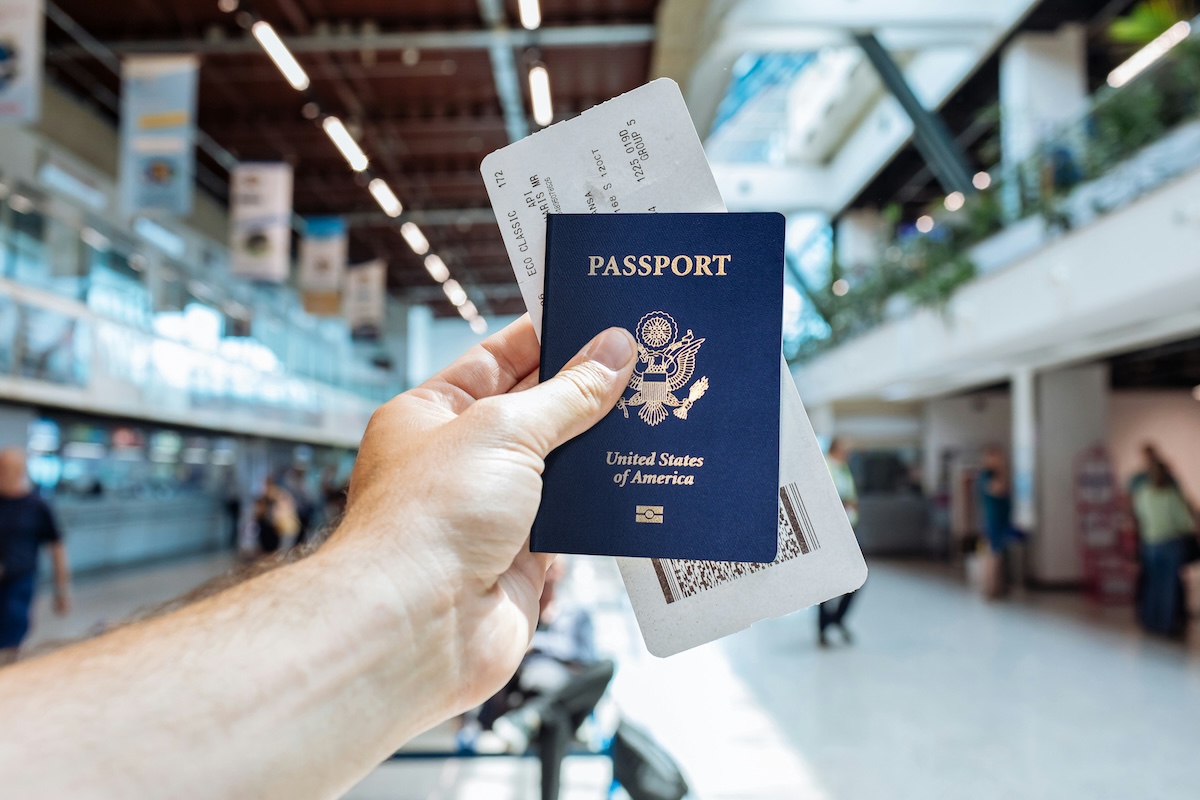
The Daily Telegraph today is underlining the benefits of a stronger Aussie dollar for travellers and motorists, who’ll find overseas trips cheaper and petrol prices lower. However, there are many other good and bad effects of this appreciation of our currency.
Have a look at the chart above and you’ll see that the Aussie dollar has gone from 62US cents to 70US cents over the year. Meanwhile, it has actually fallen against the Euro over the past year from 61 to a tick under 59 euro, though it has risen since October, going from 56 to around 60 euro (close to 7%).
That rise in the greenback and the euro sped up since August. That was when inflation here started to look worrying and economists started speculating that the next interest rate move might be up. That’s something foreign exchange traders couldn’t ignore.
This coincided with the increasingly wider understanding that the new US President Trump was not only wanting to use tariffs to collect taxes from overseas exporters selling ‘stuff’ to the Yanks, but he also wanted a lower US dollar to make the goods and services of exporters to the US look dearer. And he wants US goods and services look cheaper to overseas buyers as well. This also made foreign goods and services dearer that meant the legendary US shoppers would buy more local stuff.
Is anyone surprised that Trump’s policies of tariffs and a lower dollar weren’t designed for anything else than giving his country an economic boost? And it partly explains why he has been carrying on a long-term hate session on the boss of the US central bank (called The Fed) because Jerome Powell is a cautious economist who won’t cut interest rates to please his White House ‘employer’. While Trump wants lower interest rates to lower the dollar, Powell will only play ball if the US economy looks weak.
However, this week Powell and his fellow central bankers refused a rate cut saying that economic activity had been “expanding at a solid pace”, which means a cut now looked unnecessary.
The US equivalent of our cash rate is the overnight lending rate, which is in the band of 3.5% to 3.75%, while our cash rate is 3.6%. And while our cash rate looks likely to rise in 2026, American consumers and businesses still look likely to enjoy one or two rate cuts.
This is a big explanation of why their dollar is falling, and our currency is going higher. I learnt a long time ago from a long-term Aussie dollar trader at a then-emerging Macquarie Bank that our dollar is driven by interest rates or commodity prices for our mining and agricultural exports. Right now, both of these forces are helping push the dollar up.
Most of you know that one of our glittering exports i.e. gold is on a tear higher to record levels, while the likes of iron ore, lithium and even uranium global prices are on the rise, helping the share prices of BHP and other miners.
Those planning a holiday or investing in overseas stocks or funds should get set for a higher Aussie dollar, which will make foreign holidays cheaper. And for investors and those exporting, hedging the currency makes sense. If the Aussie dollar is rising and the US dollar falling, exporters paid in US dollars get fewer Aussie dollars when they bring their US currency home and convert them to our local dollars. Hedging can lock in a lower exchange rate, so when our dollar is on the rise, we hedge many of our financial planning clients investments overseas.
Apart from Aussies going abroad or buying imports that become cheaper, the higher dollar does mean our imports are cheaper, which means petrol becomes cheaper, which is good to lower inflation. Also, cheaper imports help reduce inflation. That can mean a slower economy as local businesses lose out to foreign businesses. We could see unemployment rising, which is exactly what the RBA wants to see so they don’t have to raise interest rates too many times.
Be clear on this: the CPI news on inflation here makes it very likely that the RBA will raise the cash rate next Tuesday from 3.6% to 3.85%. And unless inflation starts to fall, we’ll see at least another rise, possibly by May.
While a higher dollar is good news for overseas holiday makers and car drivers, the big payoff will be if it helps lower inflation, which then leads to interest rate cuts. Given what Donald Trump is up to with his goal of lower US rates, it looks likely our little Aussie bleeder is set to go higher in 2026.