The Albanese Government is talking about public spending cuts, the trend for inflation could easily be down and not up, building activity is on the low side and job ads are falling. Is anyone wondering what’s going on with interest rates because I am!
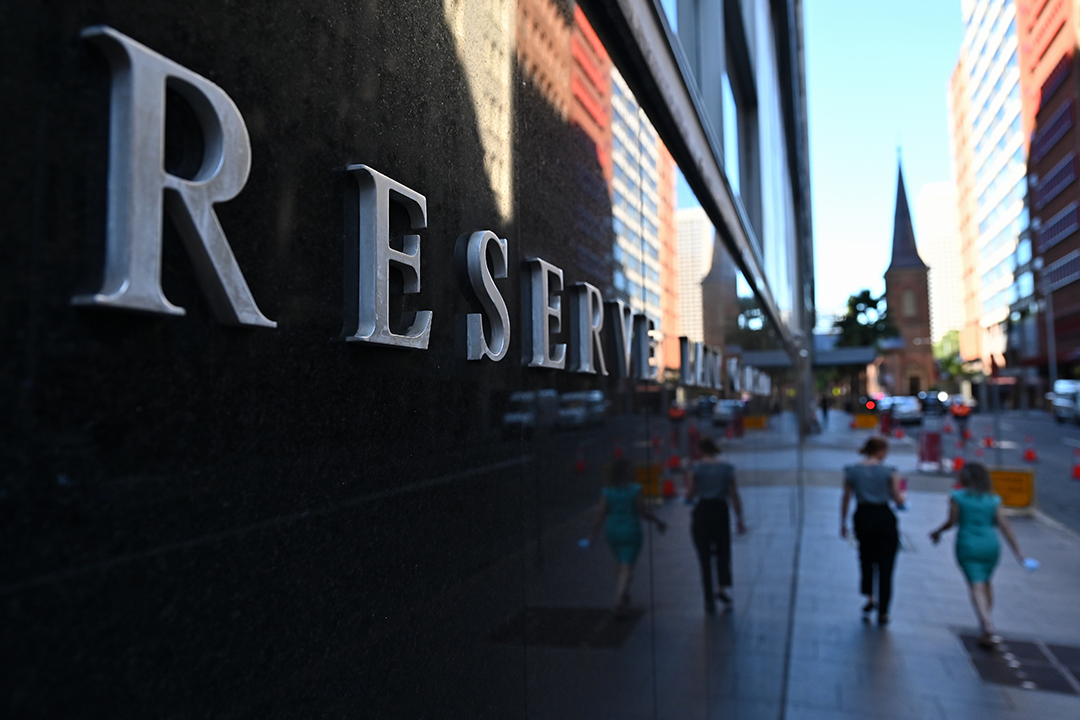
Today the Reserve Bank of Australia will hand down its latest interest rate decision, which should be a “no change” result. And it comes as many of the same economists who expected a cut in the December RBA board meeting a few months ago now tip the next move in rates will be up!
Only a handful want this to start today and the odds of that happening are slim, so the really important revelation today will be what RBA boss Michele Bullock says about how her board members are thinking about the economy, inflation, the job market and future rate changes.
This is a huge watch for the $A players, stock market investors and those in business, as well as the mortgage belt praying for a cut and no rise when it comes to interest rates.
Writing in the AFR, economist Warren Hogan thinks rates should go up today by as much as 0.4%, to take the cash rate to 4% from its current 3.6%. Meanwhile, Morgans chief economist Michael Knox, who I interviewed for last night’s Switzer Investing TV says his model indicates two rate rises are on the way in 2026!
On the other side of this debate is Yarra Capital’s economist Tim Toohey, who still sees the chance of a rate cut. He’s not alone arguing that the next move on rates is up. To that point, AMP’s deputy chief economist Diana Mousina outlined why we should just assume rates are going to rise.
Here are her main points she outlined yesterday:
1. Talk of RBA rate hikes is premature. Inflation at just over 3% isn’t a problem for the economy. There are more downside than upside risks to the economy. Job ads are flat lining, rather than accelerating. Public sector spending will slow, and private sector growth is not-broad based.
2. The consumer is more cost-conscious and sensitive to sales periods than in recent times and is unlikely to be a significant driver of economic growth in 2026.
3. Interest rate hikes would risk slowing the economy, given these vulnerabilities. In our view, there’s a larger risk of a rate cut than a hike next year.
4. In recent weeks in Australia, higher inflation data, hawkish comments from the Reserve Bank, better news on unemployment and stronger economic growth data have resulted in financial markets pricing in a rate hike by this time next year. Numerous economists and media commentators are also weighing up the risk of a rate hike as soon as February 2026.
5. Australian headline inflation is at 3.5% over the year to October, which is elevated due to electricity price swings as rebates finished. Trimmed mean inflation (Australia’s version of core) is at 3.2%. Of course, this is well above the RBA’s 2-3% inflation target.
This was Mousina’s sensible conclusion: “The most likely scenario is that interest rates are on hold for an extended period from here. Given that other central banks are cutting rates by more than Australia, there may be some upside for the $A in 2026.”
As Mousina points out, the Albanese Government is talking about public spending cuts, the trend for inflation could easily be down and not up, building activity is on the low side and job ads are falling, which is a forward indicator of the labour market.
There’s a big case for rates being left on hold and the RBA plays a waiting game to take in the economic data that comes in over the next three months. These data drops will determine what the RBA does with rates. And if unemployment rises over 4.5%, the chances of a rate cut will increase.
That important reading fell from 4.5% to 4.3% in October and started talk about rate rises. And then higher-than-expected inflation reads for the past two months made these expectations more believable.
We see the November jobless number on Thursday. This will be a big deal for the RBA, Treasurer Chalmers, economists and anyone with a mortgage!