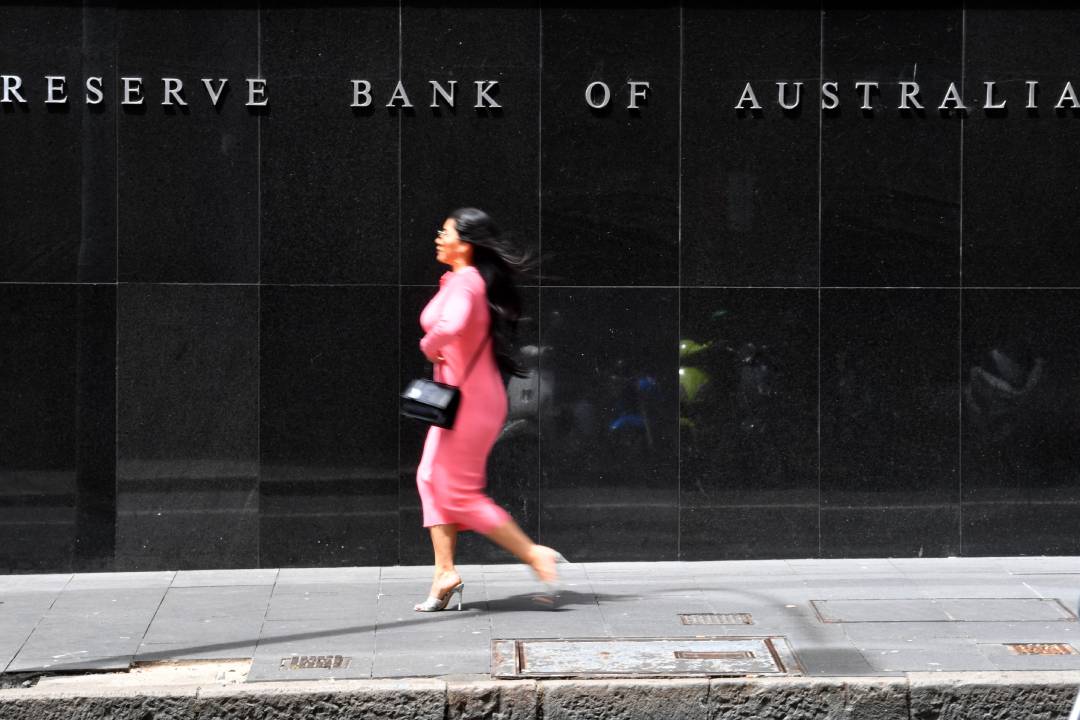
Wednesday’s inflation figures gave us a headline number to cheer about. But the RBA doesn’t run on headlines. It runs on underlying inflation, and that number ticked up from 3.4% to 3.6%, a whisker above what the forecasters predicted. That small miss has put an August rate rise back on the table.
While the headline rate of inflation came in lower than expected, the RBA’s preferred measure rose slightly and for a central bank that cut rates too early in 2025, that is exactly the kind of number that triggers caution. The same economists cheering the headline result are now warning you can’t rule out another rate rise. Headline vs underlying: what’s the difference?
The headline rate of inflation is the best statistical guess of how the basket of goods and services the average Australian buys actually hits the man, woman and child in the street. However, the central bank’s economists think this headline rate doesn’t give a true picture of what is happening to inflation.
So, they prefer the underlying rate of inflation or the more complicated-sounding “trimmed mean”, which gives the RBA the more truthful picture of how core inflation is going.
Think of underlying inflation as a cleaner version of the headline figure. It strips out volatile, short-term price movements and one-off factors such as government subsidies or temporary tax cuts like a lower fuel excise.
Here is what we discovered from the CPI for the month of May:
- The headline rate fell from 4.2% in April to 4%.
- Economists had tipped it to be 4.3%.
- The underlying rate rose from 3.4% to 3.6%.
- But economists had expected this truer reflection of inflation to be 3.5%.
That small miss on the underlying number is why some economists are saying you cannot rule out another rate rise from an RBA that started cutting too early in 2025, because the board underestimated the impact of big government spending on inflation.
This could make the central bank gun-shy about holding back from another rate rise when it wants to be certain it has killed off inflation for good. It wants underlying inflation back in the 2–3% band.
Treasurer Jim Chalmers was upbeat about the inflation result and blamed the underlying number on the “fuel crisis seeping into other parts of the economy”, which is partly true but so is the role of his government’s spending, which economists broadly agree remains too high.
Of course, economists and the RBA can get their predictions right and wrong. Given the board cannot be a one-trick pony in guessing where inflation is going, it will also look closely at the latest unemployment figure. That number rose from 4.3% to 4.5%, and if it continues higher, the RBA may be inclined not to raise rates at its August 11 meeting.
On top of that, the RBA would be mindful that its three rate rises combined with the negative Budget headlines have led to a drop in property sales, with predictions now emerging of a 10% fall in house prices.
The central bank will be watching how these economic negatives play out, including the impact on both business and consumer confidence. And the fragile situation in Iran — with a number of volatile political leaders in open conflict — adds another layer of global uncertainty the board cannot ignore.
Any economist who argues an August rate rise is a certainty is having a punt. The economic data — and how it feeds through to underlying inflation — will determine what the RBA does.
Speaking from the real world where I run a business that employs people, deals with customers, and regularly interviews business and financial market leaders, I can’t believe the RBA has a rate rise set in stone for August.
I do suspect the negativity surrounding the Budget will help slow economic growth, which might stop the central bank from rushing to raise rates again. Well, I hope so…
It should be obiligitory that if you want to represent people in the parliment that you have some life skills in business and the general work force not like the curent PM who has only worked a year in a bank as a17 -18 year old .
But Pete. Spin Jim applauded the result with the normal Cheshire Cat grin.
As a country, we have a long way to go to get back on track
I would imagine M Bullock and co would be in a contradictory position as to the correct decision to make at the next August meeting
Cheers.
Time to even up the cash rate to 4.5% perhaps ?