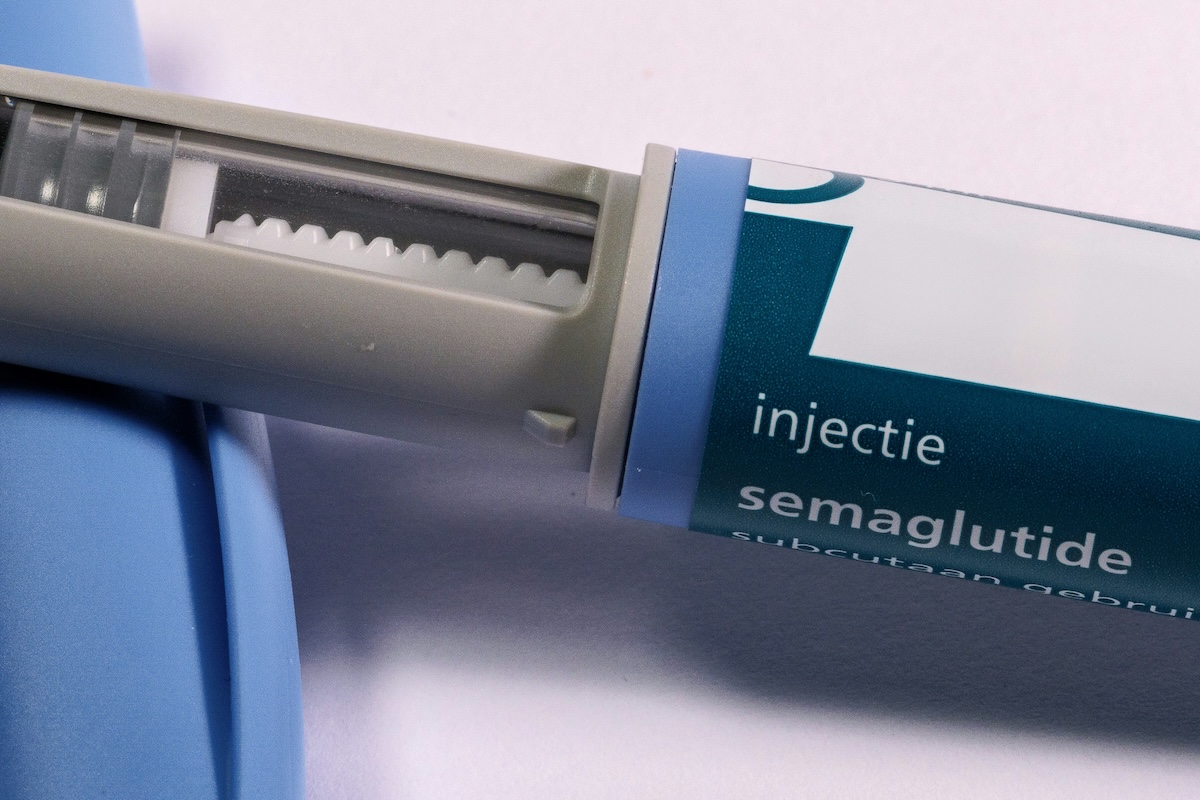
The Albanese Government is having trouble with a weighty problem, namely, could supporting fat-killing drugs lead to another NDIS disaster?
It looks like the Albanese Government could be set to make Australians thinner by subsidising weight-loss drugs that are already being consumed by around half a million people locally. However, to put these drugs on the Pharmaceutical Benefits Scheme could cost taxpayers $10 billion!
And considering the total government outlay on the PBS is $19 billion, this make-them-thinner policy could be taken up by 6.5 million Aussies who would pass the clinical criteria for being classified as obese, and who then would be entitled to access Novo Nordisk’s or Eli Lilly’s most sought-after drugs.
In case you are out of the new age loop of looking hot, it costs about $250 to $700 a month.
The AFR’s Health Editor, Michael Smith, has looked at the weight loss drug story and found the following: “EY modelling suggests one in 10 Australians are taking GLP-1 medicines, with usage to rise to between 17 and 30 per cent of Australian adults, more than 7 million people, over the next decade. The popularity of the drugs is expected to escalate when drug makers Novo Nordisk and Eli Lilly launch pill forms as an alternative to injectables in Australia, possibly later this year.”
And while making Aussies thinner is a great goal for those who are genuinely obese or suffering heart or diabetes health issues, the fear has to be that this subsidising of these drugs — Ozempic or Mounjaro — could be another NDIS government spending disaster waiting to happen.
Smith looked at how other countries are treating support for weight loss drugs.
“France, which has lower obesity rates than Australia, agreed earlier this year to partially subsidise weight-loss drugs,” he reported. “However, the Australian government fears that the volume of patients seeking treatment would lead to unsustainable costs as it tries to rein in public spending.”
Figures on what it might cost the Government to put these drugs on the PBS vary from $130 a month per patient, but other analysts say it could be cheaper.
The Albanese Government has been negotiating with Novo Nordisk, but price has been a sticking point.
“Novo Nordisk last month rejected a government proposal to list Wegovy on the PBS for people with a body mass index above 35 and cardiovascular disease because they could not agree on price,” Smith revealed.
In a perfect world, the Government should support those Australians who have chronic health problems as a consequence of being overweight because they become very costly to the health and hospital budgets. That said, the provision of these drugs can’t become an open slather show for those who would twist GPs’ arms to get a script to thinness.
“Patient advocates also support a more conservative rollout, which could limit the initial taxpayer cost to between $150 million and $300 million by making it available to the people who needed it most,” Smith explained. “They argue the cost to the health system would be more than offset by the billions of dollars in long-term savings to the health system by reducing chronic illness.”
On a related matter, it’s important to point out that the PBS has supported statins for those with heart problems. These cost the Budget $1.2 billion in 2011 when they were first subsidised, but now the outlay has fallen to $250 million a year.
At a time when economists argue the Treasurer needs to cut a lot of fat out of the Government’s bloated spending, Canberra still should help overweight Aussies with serious health problems access these life-saving drugs. However, they should not be subsidised for those who simply want to look good. If these people really want to lift their presentation, they should eat less and exercise more.
The taxpayer should not bankroll shortcut merchants who simply want to look hot.


Peter, Like other government reimbursement of drugs, there should be a cost-benefit analysis of who should get these drugs subsidized by the community. For example, if this drug stops people becoming type 2 diabetic and costing the community a fortune in health care and NDIS costs when they lose limbs, go on dialysis and go blind, then this could be a worthwhile expense.
Just another despicable vote buying exercise. This man and HIS government are appalling.
The savings to the health system could well be offset economically by the losses to the restaurant, cafe, and fast food industries!
How about people just eat less and/or exercise more! Surely that’s the best cure for this weighty issue.
The question should not be “can we afford to make Aussies thinner?” but “should people be incentivised to lack self-dicipline by subsidising their weaknesses.” The fact that the question is asked in the first narrative, is indicative of our mindset in the age of ‘what can the government do for me and what am I entitled to?’
Really! So much hand holding in this country!