Let me break down what these proposed capital gains tax changes could mean for property owners, share investors and everyday wealth builders.
Three-more Tuesdays to go before the Budget is handed down and the latest leak is that the capital gains tax discount will go back to the pre-Howard reforms. Those reforms gave investors a 50% discount if the property was held for a year or more. These possible changes to CGT won’t excite property investors. These changes will be more complicated and much more work for accountants, and therefore costly.
When Paul Keating constructed that tax treatment for capital gains, it applied to both property and shares, and it’s likely (if this leak is on the money), share players will also have to cope with the changes we hear about on May 12.
For investors, this could turn out to be a horror Budget!
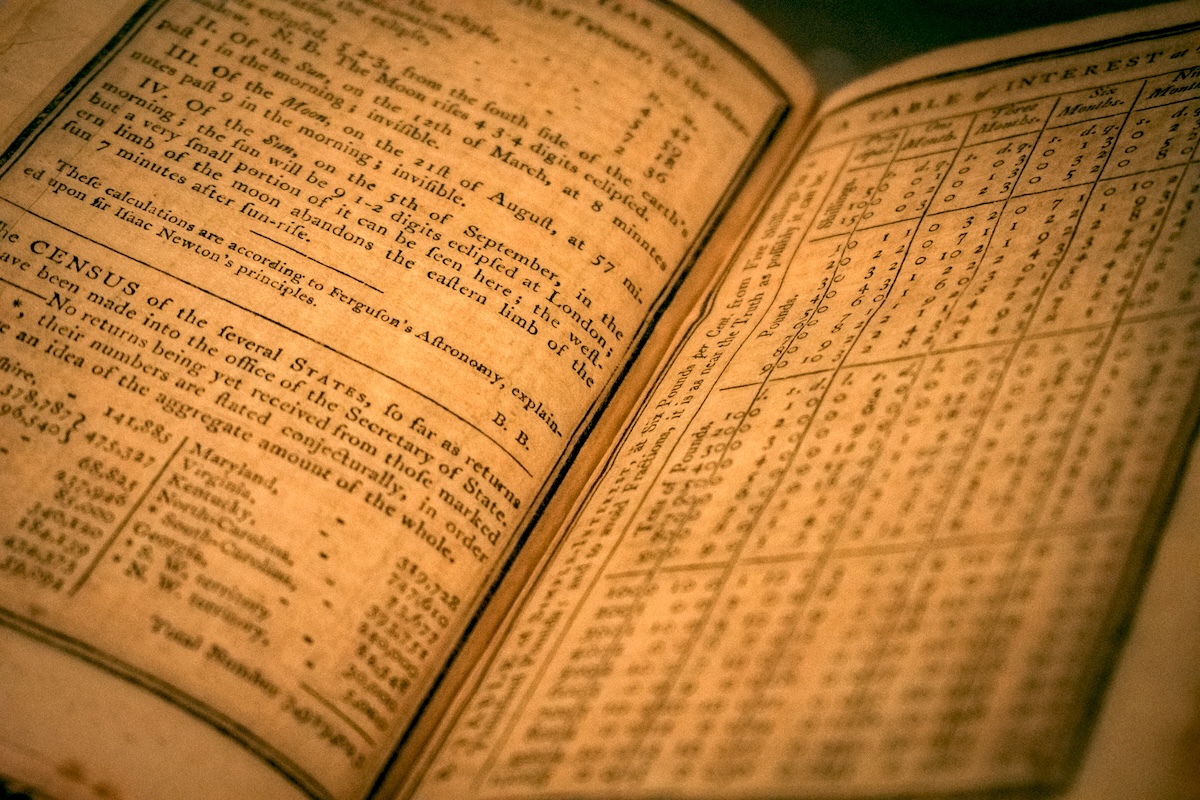
How the old system worked (pre-1999):
- The cost base of an asset for inflation had to be kept.
- The capital gain was the sale price minus the adjusted cost base for inflation over the years of owning the asset.
- Only the real gains (gains above inflation) were taxed.
- For the tax impact of large capital gains realised in a single year, averaging was allowed.
- The taxpayer’s average tax rate was added to the net capital gain to reduce the overall tax hit in one year, preventing taxpayers from being pushed into higher tax brackets due to a one-time large capital gain.
After reading the above, no wonder they changed it! So why is Chalmers set to go back to what was so complicated? Could it possibly be money?
Driving these Treasury proposed changes is a belief that the 50% discount on capital gains plus negative gearing has led to too much property speculation by investors, which has driven house prices up.
The SMH’s Shane Wright reminds us that in those days: “Before the change, most landlords were positively geared; afterwards, the majority were negatively geared.”
However, in those days, governments provided a lot more public housing and added to home building, but now it’s the private sector driven by investors that help boost the housing stock for renters. So, this change could easily lead to a surge in rents and fewer properties available for renting as investors leave the sector.
Wright also looked at a Resolve poll that “found 42 per cent of the 1807 respondents backed a reduction in the 50 per cent concession. Opposition was just 9 per cent, while 39 per cent were unsure.”
He added: “It remains one of the better supported tax changes open to Chalmers, alongside an overhaul of negative gearing (43 per cent), an increase in taxes on mining companies (51 per cent) and lifting taxes on banks (54 per cent).”
One important point is how will changes like this affect investor behaviour? I’d argue that they impact non-retired wealth-builders harder than retirees, who are largely in the zero tax zone, when it comes to their shareholdings in their super funds — they don’t pay a capital gains tax on these assets!

I believe in an earlier review of taxes the 50% capital gains tax was suggested to be reduced to 40%. Reducing the percentage seems a much simpler and cheaper way to go.
Peter you are right to say here we go again with the Labor Government so desperate for cash they only have one strategy to pursue (ie Tax and spend).
In regard to self funded retirees not paying Capital Gains tax because of a zero tax rate as it relates to superannuation, this in my view is incorrect. Retirees who sell shares perhaps that they have inherited or kept for a significant period of time will be impacted by this proposed reduction in capital gain tax discount. Zero marginal tax rate only goes so far.
The fact of the matter is that this socialist government dislikes people who have worked hard to look after themselves and in many cases gone without in their lives to achieve it.
They want as many people dependent on the government as possible so as to achieve a captured vote and guarantee their electoral success. the Aussie spirit of the 50ies, 60ies and 70’ies including new Australians to work hard, set goals and provide for your own future without significant reliance of government handouts to the middle class and the wealthy has gone.
Like several statements in the past when the the Government runs out of money they come after yours.
Totally agree John.
Jim may get less money than he thinks.
For example, I bought a block in 2019 and built a house for $500.000.
Today I could sell it for $8 to $900.000.
But, It would cost over $1million to do the same exercise today.
So, there is no capital gain above inflation.
John. The problem is, they won’t care how much extra it actually costs you to do that now. They’ll use the standard inflation rate which has averaged about 4% pa over the period you’ve owned the property. Or worse still (since it’s in their favour), they’ll likely decide to use the Trimmed Mean inflation rate which is closer to 3% pa for that period.
Hi Peter,
I think Jimbo is confused, he thinks “My Super” mean’s it’s his.
New slogan for Australian Labor Party “Your Super – you save it, we spend it”
In answer to your question “So why is Chalmers set to go back to what was so complicated?” it’s because Jimbo is not running the show, the boffins at the ATO and treasury are.
Spot on! It is painful to watch this government tearing apart our economy by social largess that undermines the individuals’ incentive for financial security and enterprise.
The end result of this policy will be the destruction of small business endeavour and higher unemployment.
AUSTRALIAN HUMANITARIAN ASSISTANCE TO THE PEOPLE OF AFGHANISTAN :
Joint media release with:
The Hon Anne Aly MP, Minister for International Development
29 January 2026
The Australian Government will provide a further $50 million in humanitarian support to the people of Afghanistan to address the deteriorating situation there.
This brings the total humanitarian support provided to the people of Afghanistan since the fall of Kabul in 2021 to $310 million. $ 310 MILLION …SO FAR !!!!
…………………………………………………………………………………………………………………………………………….
WHY ??? Why provide them with OUR TAX-PAYER’S MONEY ?
General Taliban Finances:
The Taliban generates an estimated US$300 million to $1.6 billion in annual revenue through illicit activities and taxation, making them financially independent of direct foreign aid, even though they actively seek to intercept humanitarian funding !
THAT’S US$300 MILLION to US$1, 600 MILLION EVERY YEAR !!!
……………………………………………………………………………………………………………………………………………
And , not only that , Australia gets to PROSECUTE IT’S GREATEST LIVING SOLDIER
when LOGIC DICTATES that EVERY OFFICER of SUPERIOR RANK to him
SHOULD BE ON TRIAL , and FOUND GUILTY , before he is ever charged !
THE “BUCK” STARTS and STOPS at the TOP !
As for the Taliban “witnesses” and the contemptible “so called SAS troops”
‘prepared to testify against one of their own’ , they should be charged with something akin to ‘treason’ and most certainly ‘ conduct unbecoming of a decent human being’ !
[ There is a concept equivalent to “conduct unbecoming” in Australian government and public sector employment, although it is typically phrased as
a breach of the Code of Conduct or misconduct rather than a formal criminal charge titled “conduct unbecoming.”]
AND that should include THE DISGUSTING “Greens” Senator David Shoebridge who enthusiastically and unpatriotically welcomed the arrest of Ben Roberts-Smith !
…………………………………………………………………………………………………………………………………………..
So , PLACATING THE TALIBAN and THE “GREENS” explains this disgusting ingratitude !
…………………………………………………………………………………………………………………………………………….
AND ….NO…….NOBODY SHOULD ACCEPT THE CONTINUAL “PROPPING-UP” OF A TERRORIST-REGIME IN AFGHANISTAN or IRAN either !
STOP DOING THAT and ” Gormless and Charmless CHALMERS ” WON’T NEED TO EXTRACT SO MUCH TAX !!
p.s. You guessed it ! HE and HIS PARTY are NOT GETTING MY VOTE NEXT TIME !!!
Labor must go.They seemed alright but it was all fake.Its not tax reform its tax increase a mere tax grab.