
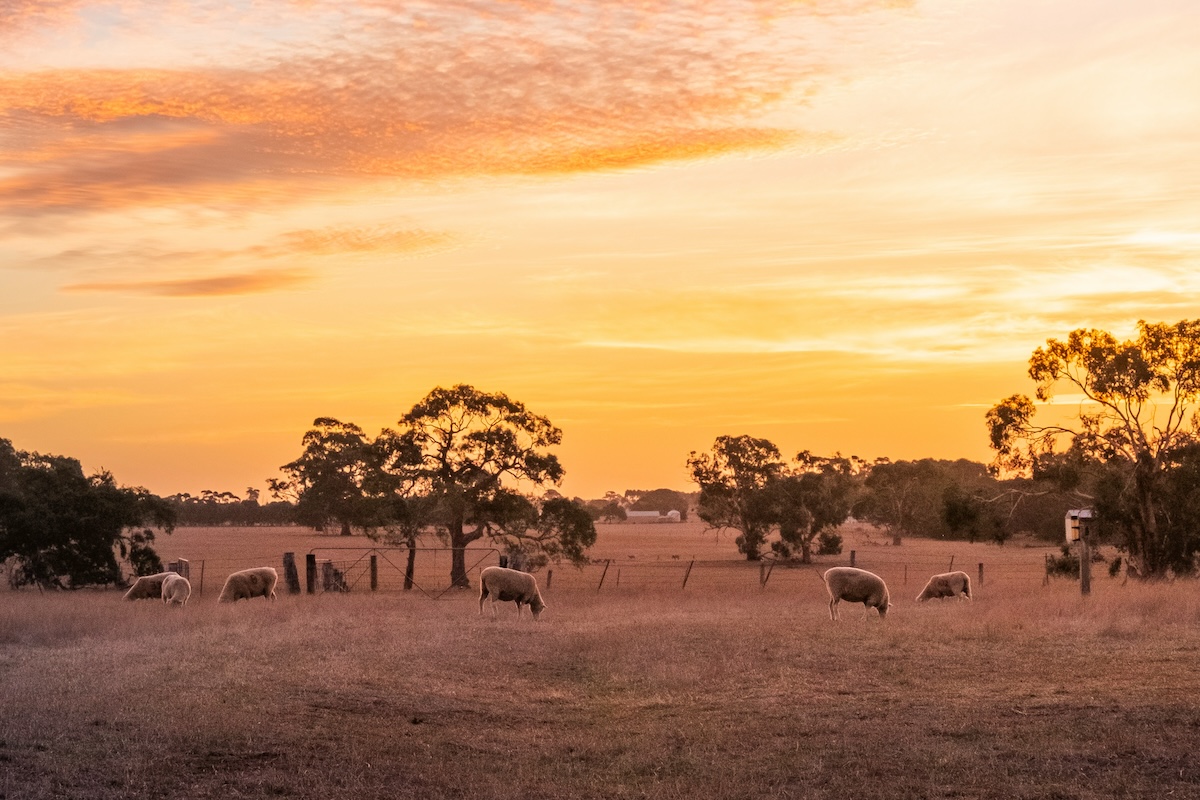
The federal government has secured access to 250,000 tonnes of extra urea from Indonesia for Australian farmers.
The deal between Incitec Pivot Fertilisers and PT Pupuk Indonesia was facilitated by the governments of the two countries.
It will provide about 20% of the remaining fertiliser needed for the current season, which runs from November last year to October this year.
There has been considerable panic among many farmers about the disruption of urea supplies. Without adequate fertiliser crop yields would be down, with some farmers not planting crops at all because of the uncertainty.
Indonesia is Australia’s fourth largest export market for agriculture, fisheries and forestry exports,
worth more than $4.7 billion in 2025.
Agriculture minister Julie Collins said: “While this is a commercial deal, the Australian and Indonesian governments have been working to support this positive outcome.
“This guarantees supply of fertiliser to Australian farmers at this critical time.”
Scott Bowman, President, Incitec Pivot Limited said:“This additional volume for the period May to December, at prevailing market prices, is another critical plank in servicing the needs of Australian farmers”.
Anthony Albanese has been in Brunei and Malaysia this week seeking agreements on fuel supplies and security.
The government on Thursday announced it had secured about 100 million litres of extra diesel, with two shipments coming from Brunei and South Korea.
This is the first of the expected shipments under the government’s new Strategic Reserve powers. Under these powers Export Finance Australia has partnered with Viva Energy to make this purchase possible.
Reserve Bank Deputy Governor warns of bad times ahead
Meanwhile, the Deputy Governor of the Reserve Bank, Andrew Hauser, speaking during a panel discussion in New York, was blunt about the hard times to come, making it clear the bank would need the support of the government in the tough decisions ahead.
“Supply shocks are a hard sell to the public,” Hauser said.
“Inflation is going to be higher, activity is going to be lower, we’re going to be poorer.
“There’s not much upside news in that story.”
Selling to people the message inflation must be tackled was harder when there was already high inflation before the Iran war, he said.
“People are already a bit resentful about that, so you need to be clear and direct with people to restate the importance of stabilising inflation.”
The Reserve Bank’s next meets on May 4-5, ahead of the May 12 budget. It will facing conflicting pressures in considering interest rates, with rising inflation pushing towards another rate rise but the prospect of a slowing economy making that risky.
“You need to be very clear what we [the Reserve Bank] can’t do, because people are maybe thinking monetary policy can solve everything, and you need rock solid support from governments at a time when you’re going to be making hard decisions,” Hauser said.
Hauser’s deliberate signal to government is notable because he has previously been reluctant to make any comment at all on fiscal policy.
Michelle Grattan, Professorial Fellow, University of Canberra
This article is republished from The Conversation under a Creative Commons license. Read the original article.


Can’t see why he had to spend 300,000 or so liters/gallons of fuel to fly around Asia to gather what he could just get, by sweeping up Casanova Bowens’ office every day.
Plenty of it there and probably in considerable depth given his time in office.