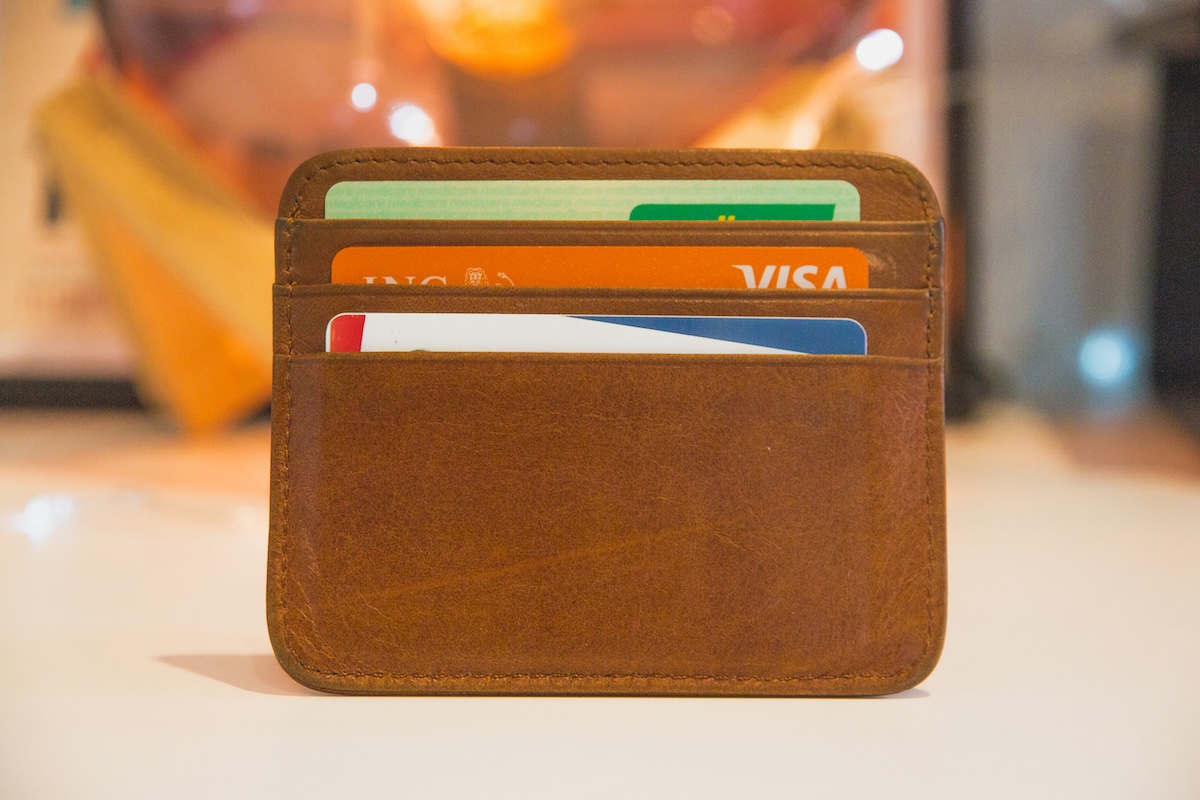
The Reserve Bank won’t be taking money off borrowers but could be reducing fees we endure when we use the fantastic plastic. Read all about it.
While the Reserve Bank will be in the news again tomorrow, it won’t be taking money off borrowers with another rate rise, probably because it’s not a rates decision day…that was last week. In fact, it could be making changes to reduce the fees we’re slugged when we use credit cards.
We’ll also see the minutes from last week’s RBA board meeting that saw the cash rate of interest rise by 0.25% to 4.1%. Economists and the media will pour over those meeting notes to see what’s likely to happen to interest rates at the next meeting in May.
Those minutes were a consequence of the Bank’s board members having the benefit of knowing that the Iran war was hitting the price of oil and threatened to take inflation over 5% from the current 3.7%. They also would have considered the possibility that a longer-than-expected war producing an elevated oil price could result in a global and local recession that would push unemployment up.
It’s why earlier this year HSBC’s chief economist Paul Bloxham tipped at least two rate rises but then said by year’s end that rate cuts could be a chance.
Right now, just about every economist expects another rise in May. While many see yet another one (especially if the war ends soon and inflation is a bigger threat rather than a recession), some actually expect two more lifts in the cash rate!
That would be dumb and would not only create mortgage misery, it would lead to the recession we didn’t have to have. Importantly, those rate rises after May will depend on the calibre of Dr Jim Chalmers’ Budget that will be handed down on May 12. If the Treasurer plays politics and doesn’t show that the Budget will reduce demand and inflationary pressures, then the RBA will have to do the work on killing inflation by itself, with a lot of help from those with mortgages and business loans.
While one would like to believe Chalmers has the determination to deliver a Budget that will help reduce RBA rate rises, in a submission to the Fair Work Commission last week, the Albanese Government backed an above inflation rise for minimum wage earners.
This is how AMP economist Diana Mousina saw it: “[This is] another blow to the RBA because if enacted and productivity stays sluggish it means higher inflation.”
Mousina added: “The better decision would have been an increase to wages at current inflation rates or the same as last year (at 3.5% which is actually still high relative to wage history). Of course, no one wants to see their real wages go down but high minimum wage increases in recent years have been part of the current inflation problem because it influences broader wage demands and inflation expectations and will just mean higher RBA interest rates down the track.”
At times like these we need better decisions from the Treasurer and the RBA, as well as Donald Trump and the Iranian leadership.
On another front, the RBA is set to announce a major overhaul, following findings of its review of merchant card payment costs and surcharging.
Those annoying little but persistent fees that we cop when we tap our credit cards are expected to go. Also, the proposed ban by the Albanese Government of fees on debit cards should be addressed in the review’s recommended changes.
The Daily Telegraph‘s Cameron Micallef talked to Richard Wormald, Mastercard’s former division president for Australasia and now president, who said he supported removing surcharge costs with card payments. “Card payments are safe, efficient and the cheapest way for retailers to get paid. So, it feels odd that we still allow a practice that adds friction for consumers and damages trust.”
For card providers, it’s interchange fees that’s the big issue. The RBA wants these fees to come down. These are the fees that merchants often hit us with when we use a credit card – it’s a bank/card driven fee, not part of the merchant percentage fee.
“To offset the costs of removing surcharges to business, the RBA proposed a reduction in interchange fees, which are what the payment terminals charge businesses,” Micallef explained.
We also could see “dynamic least-cost routing”, which means a customer tapping would be sent to the cheapest network. Another practice the RBA could ban is called blended rate pricing, where debit and credit card fees are blended. This must mean credit card fees come down and debit fees go up.
At the end of the day, the test of the value of these RBA changes will be the benefit to consumers and merchants.



This Government’s agenda seems to be entirely vote driven. No National pride or economic responsibility. Very sad.