Wine, watches and Hermès handbags get talked about as a serious place to park money. But do investments in luxury goods stack up? I took a look at the numbers to find out.
The pitch is seductive: assets you can wear, drink or park in the garage, quietly gaining value while you enjoy them. A wave of platforms now lets ordinary investors buy a slice of them too. But what are these things, what do they actually cost, and what makes the prices hold?
What counts as an investable collectible?
The benchmark most people use is the Knight Frank Luxury Investment Index, published each year in the property firm’s Wealth Report. It tracks the prices of ten things the wealthy collect: art, fine wine, rare whisky, classic cars, watches, handbags, jewellery, coloured diamonds, rare coins and antique furniture.
They fall into two rough groups. There are the wearable, usable items most people recognise: a Hermès handbag, a Rolex, a case of first-growth Bordeaux, a bottle of single malt. Even a rare Penfolds Grange with an even rarer story. Then there are the trophy assets that trade in their own rarefied world: museum-grade art, vintage racing cars, fancy coloured diamonds. What links them is that buyers treat them as a store of value, not just a thing to own.
What they cost, and what they fetch
The clearest way to see how this market works is the gap between the retail price and the resale price.
Take the Hermès Birkin, the asset everyone points to. A Birkin 25 in Togo leather retailed for about US$12,700 in 2025. Most goods lose value the moment you carry them out of the shop. The Birkin does the opposite: pristine Birkin 25 and 30 bags change hands on the secondary market at around US$28,000 to US$30,000, more than double the retail price.
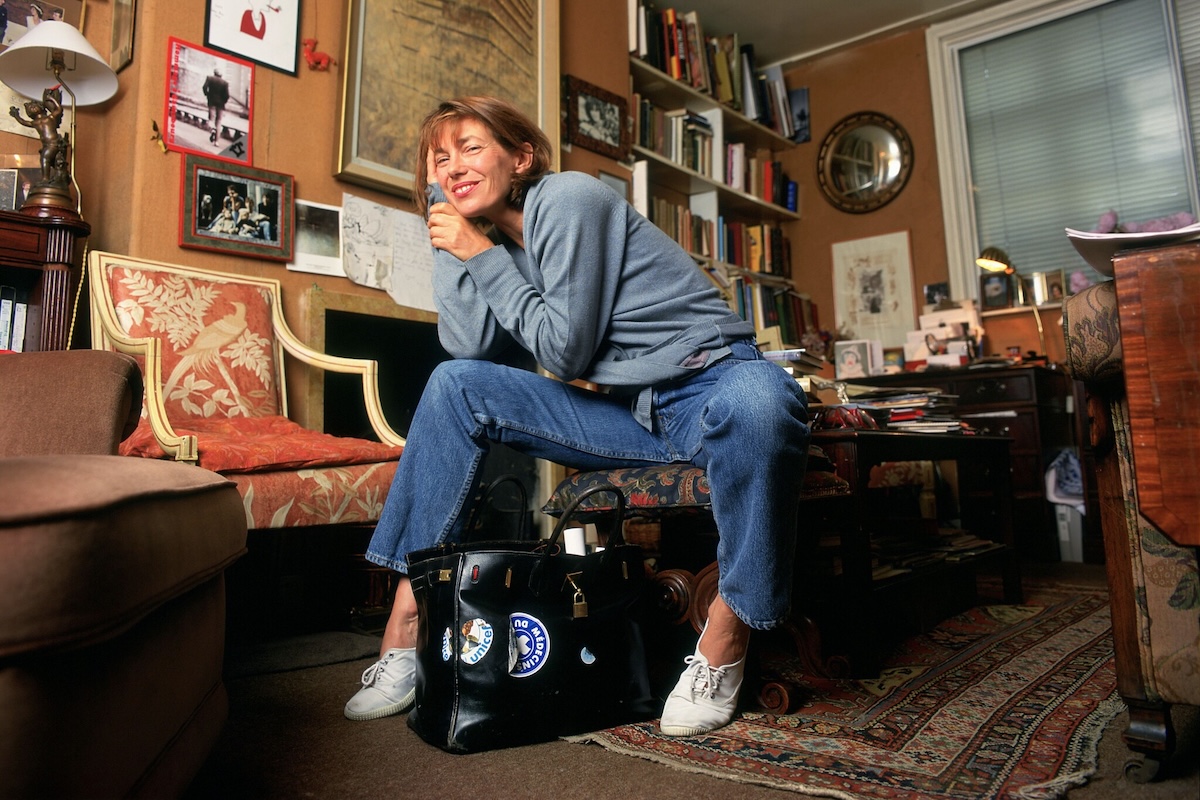
At the extreme end, provenance turns a handbag into a trophy. In July 2025 the original Birkin, the actual bag made for actress Jane Birkin (pictured above), sold at Sotheby’s for about US$10 million, a record for a handbag, hundreds of times what an ordinary one fetches.
The same pattern runs through the other categories, with bigger numbers at the top. The most expensive watch ever sold at auction is a one-off stainless-steel Patek Philippe Grandmaster Chime, which went for US$31.19 million in 2019. The most valuable car is a 1955 Mercedes-Benz 300 SLR Uhlenhaut Coupé, one of only two ever built, which sold for €135 million, about US$143 million, in 2022. The most expensive bottle of spirits is a 1926 Macallan whisky, one of a 40-bottle run, which fetched £2.19 million at Sotheby’s in 2023. Even the everyday end follows the rule: popular steel Rolex sports models routinely trade above their retail price on the secondary market.
What actually holds the prices up
Strip away the glamour and one thing explains most of it: scarcity meeting desire.
Scarcity is often engineered. You cannot simply walk into Hermès and buy a Birkin. The company rations them, and buyers build a history of other purchases before they are offered one. Popular steel Rolexes carry waiting lists for the same reason. At the top end the supply is fixed by history: there are two of those Mercedes coupés, 40 of those Macallans, one of that Patek.
Desire is the other half. A limited supply means nothing if nobody wants the thing. What lifts these items is brand cachet, cultural status and, in the trophy cases, provenance. The Jane Birkin bag is worth a fortune because of whose arm it once hung on. Put a fixed supply next to deep demand and the price has one way to travel.
The catch sits in that same logic. Desire moves. Tastes change, and when they do, the return on an individual piece changes with them. The 2025 index makes the point: in a single year watches rose about 5 per cent, while fine wine fell about 2.5 per cent and Birkins slipped 0.2 per cent. The same shelf can hold a winner and a loser at once. Pick the wrong category, or the wrong piece, and the trophy quietly loses value.
For all the eye-watering auction headlines, the index as a whole is no rocket ship. Across 2025 it slipped 0.4 per cent. Over the past decade it is up about 39 per cent, a solid return, though a broad share index has comfortably beaten it over the same ten years, and that average hides enormous variation between the winners and the losers.
Then there is the cost of getting in. Buy through a platform rather than a saleroom and you pay for the privilege. Masterworks, which sells fractions of art, charges 1.5 per cent a year plus 20 per cent of any profit, with a minimum around US$15,000. Wine services such as Vinovest and Cult Wines fold storage, insurance and authentication into annual fees of roughly 2 to 2.85 per cent. None of these assets pays you a cent while you hold it, all of them can be slow to sell, and the returns the platforms quote about themselves are not independently audited.
This article is general in nature and does not take into account your personal circumstances. It is not a recommendation to buy or sell any investment.