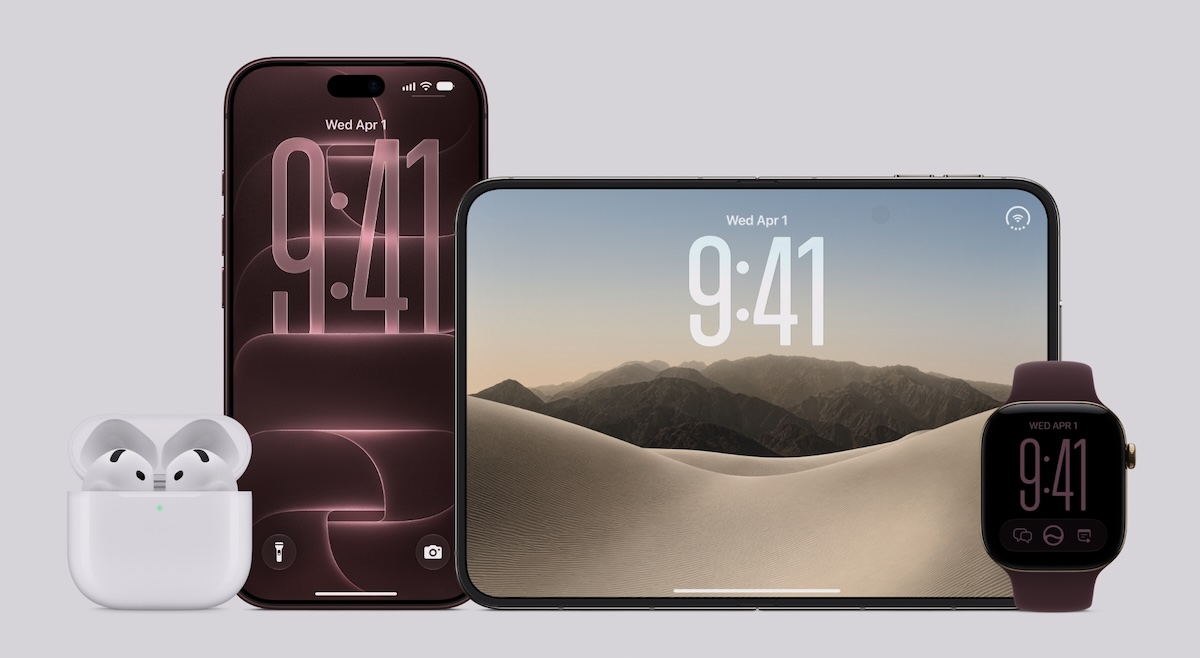
Something went beep in the night in California. Here’s everything Apple announced, from new Watch models, phones and even a new flagship iPhone that folds.
Apple held its annual September event overnight, and for the first time in years it had something foldable. I’ve covered Apple and its releases and events for over a decade and I’ve never seen a device so hyped before the curtain raised in Cupertino. Along with the new foldable names the iPhone Duo, there are two new non-folding iPhones, two new watches and new AirPods. Here is what was announced, what it does, and what it will cost you in Australia.
iPhone Duo: the first folding iPhone
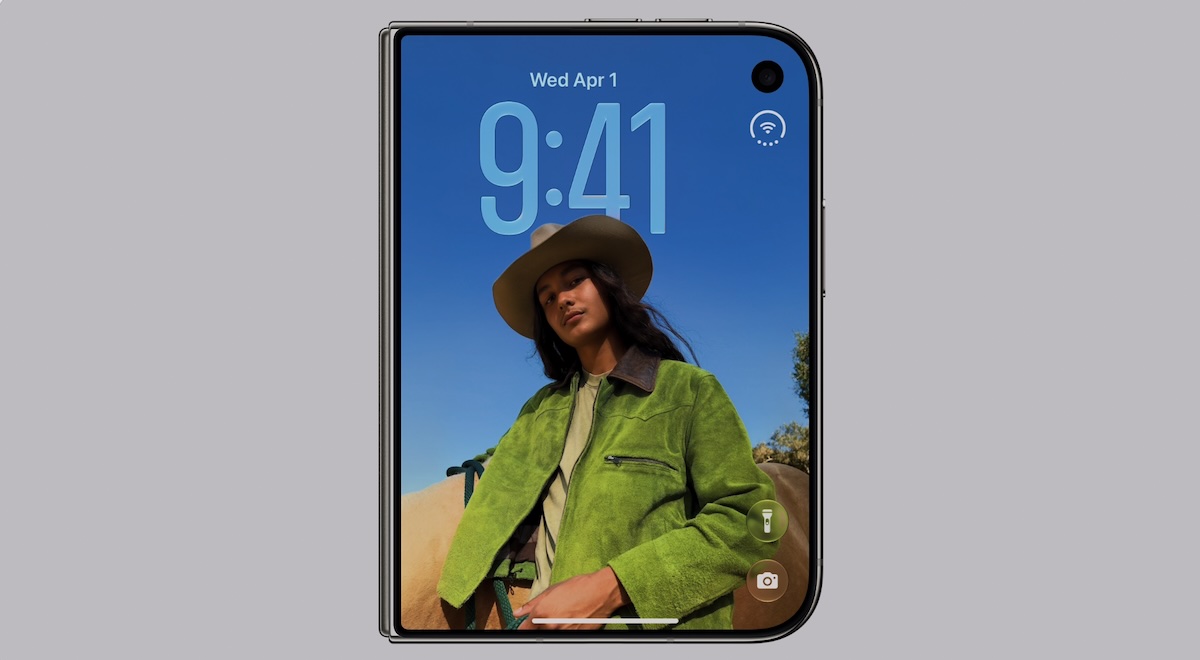
The headline act is the iPhone Duo, and the name gives away the trick. Cue the ‘ooooh’ and ‘aaaah’.
Closed, it looks like a normal phone with a 5.4-inch screen on the front, which Apple says delivers 90 per cent of the screen area you get on an iPhone 18 Pro.
Open it like a book and there is a 7.6-inch display inside, the largest screen Apple has put on an iPhone. Think of it as a phone that becomes a small tablet when you need one, then folds back down to fit in your pocket.
Folding phones are not new and Apple is late to them. What Apple has spent its time on is the two things people complain about with everyone else’s.
The first is the crease down the middle.
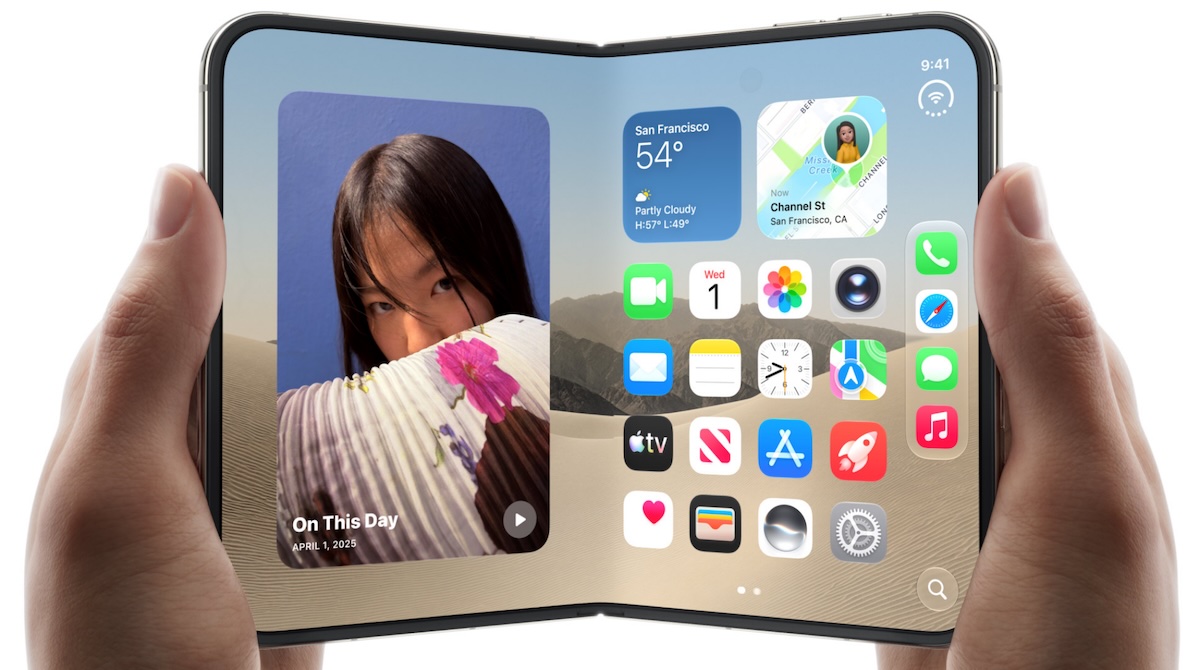
Apple has given the inner screen a nano-texture finish, a matte surface that scatters light instead of bouncing it back at you, which it says reduces glare and reflections and makes the crease harder to see.
The second is that folding screens tend to feel like plastic under a finger rather than glass.
The cover layer here is a custom polymer Apple says is up to 40 per cent stiffer than other materials used in the industry, so it should feel less like pressing on a sandwich bag like some other, earlier folding devices.
The hinge is the part that usually fails first, and Apple has thrown a lot of hardware smarts at it: more than 100 components, whose job is to control the opening and closing and hold up the middle of the display.
The screen layers are bonded with custom adhesives that let them glide past one another as the phone folds, which Apple compares to the pages of a book, relieving the bending stress that would otherwise warp the panel over time.
The body is grade 5 titanium with a mirror-polished finish, the front has Ceramic Shield 2, the back has Ceramic Shield, and the whole thing is rated IP68 for dust and water.
Unlocking happens with a fingerprint reader built into the side button, so Touch ID is back, and it works whether the phone is open or closed. No more FaceID here though, one should mention. Alternatively, you can also unlock it with an Apple Watch.
There are two batteries, one under each half, giving up to 31 hours of video on the inner screen or 44 hours on the outer one, and it charges to half in around 20 minutes. It is eSIM only everywhere in the world, meaning no SIM tray at all. Later this year it will support the Apple Pencil, which no iPhone has ever done. It comes in star white and night sky.
iPhone 18 Pro: normal phones with abnormal power
If you don’t need a phone that folds, these are the flagships, and the camera plus the added hardware power for on-device AI processing is where the real change is.
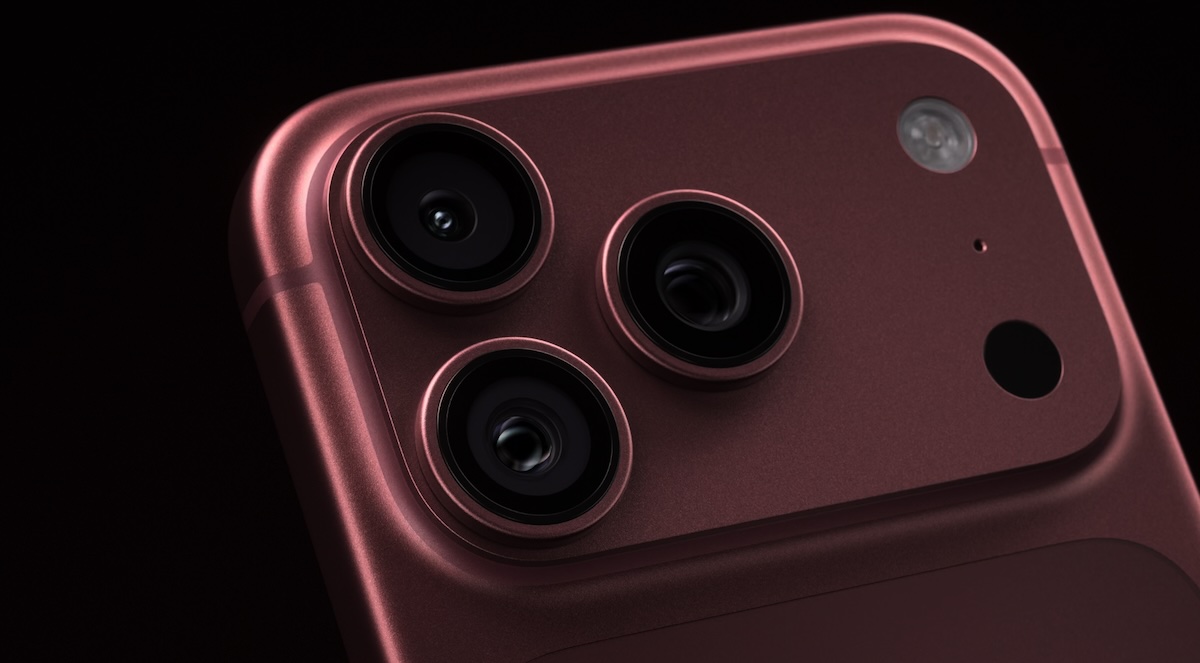
The main 48-megapixel camera now has a variable aperture, which means the hole that lets light in can physically change size.
Every iPhone camera until now has had a fixed opening. This one has six laser-cut blades that move between four aperture settings, opening up in a dark room to let in more light and closing down for a group photo so the people at the back stay as sharp as the ones at the front. There is also a set of manual controls for anyone who wants to set it themselves.
More interesting for everyone else is a feature called Apple Reference Image. A new sensor in the main camera can sign every pixel it sees at the moment you press the shutter, producing a locked version of the photo that cannot be altered, while you keep the normal editable one alongside it. It is the digital equivalent of keeping the film negative, and it exists because proving a photograph is real is becoming a serious problem. Apple is pairing it with support for an industry standard that identifies images generated or edited by AI. Both matter most to photojournalists.
Underneath is a new chip called the A20 Pro, and Apple has done something unusual by spending real stage time on cooling. Big AI models like the ones this device is designed to hack away at means big heat. So Apple needs to figure out how to bolt an air conditioner to the device while still somehow making it thinner and lighter.
To pull it off, the memory now sits beside the processor rather than on top of it, which takes it out of the heat path and lets the chip attach directly to a redesigned vapour chamber, essentially a sealed pocket of liquid that carries heat away and spreads it out, the same principle as a car radiator. It has three times the surface area of the one in the iPhone 17 Pro. The payoff is up to a 40 per cent gain in sustained performance, which means the phone holds its speed for longer instead of throttling back when it gets warm.
Battery life is on the increase despite the added grunt. Apple says up to 34 hours of video playback on the iPhone 18 Pro and up to 43 hours on the Pro Max, and that five minutes on a charger gives the Pro Max around seven hours of video.
The phones come in black, silver, glacier and a new burgundy.
Siri AI: Apple’s assistant gets useful (and its own app)
Both new iPhones ship with what Apple is calling Siri AI, which is a rebuild more than than an update. The pitch is that it can see what is on your screen, take actions inside apps you already use, and draw on your own information to answer questions. The example given on stage was asking what your mother had said she wanted to cook, and Siri finding the answer across an email and a message without being told where to look.
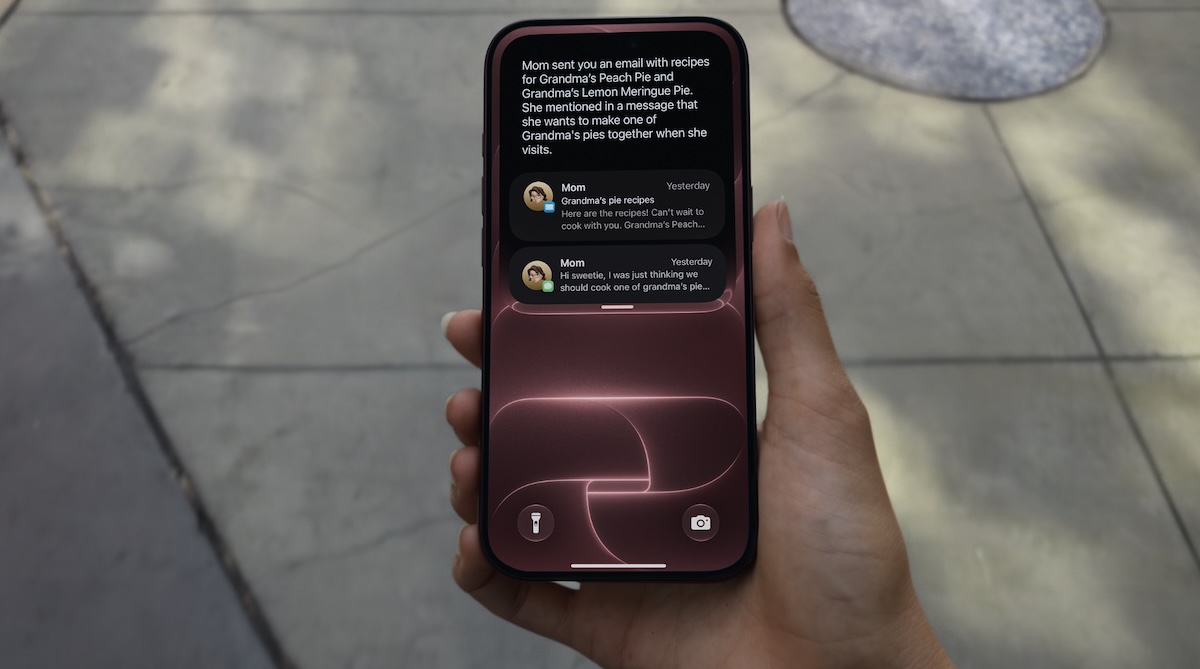
There is a new Siri app that keeps your past conversations and syncs them between your devices.
Some heavier features run on Apple’s servers rather than on the phone, and Apple said on stage that “some features will have usage limits because they rely on powerful server models. Increased access will be available with most iCloud+ plans.” iCloud+ is Apple’s paid storage subscription.
New Apple Watches want you to actually live longer
The watches got the most substantial health update in years, and it comes down to how often they check on you, and how they work with Apple Intelligence to report it back to you in a way you can actually use to live longer.
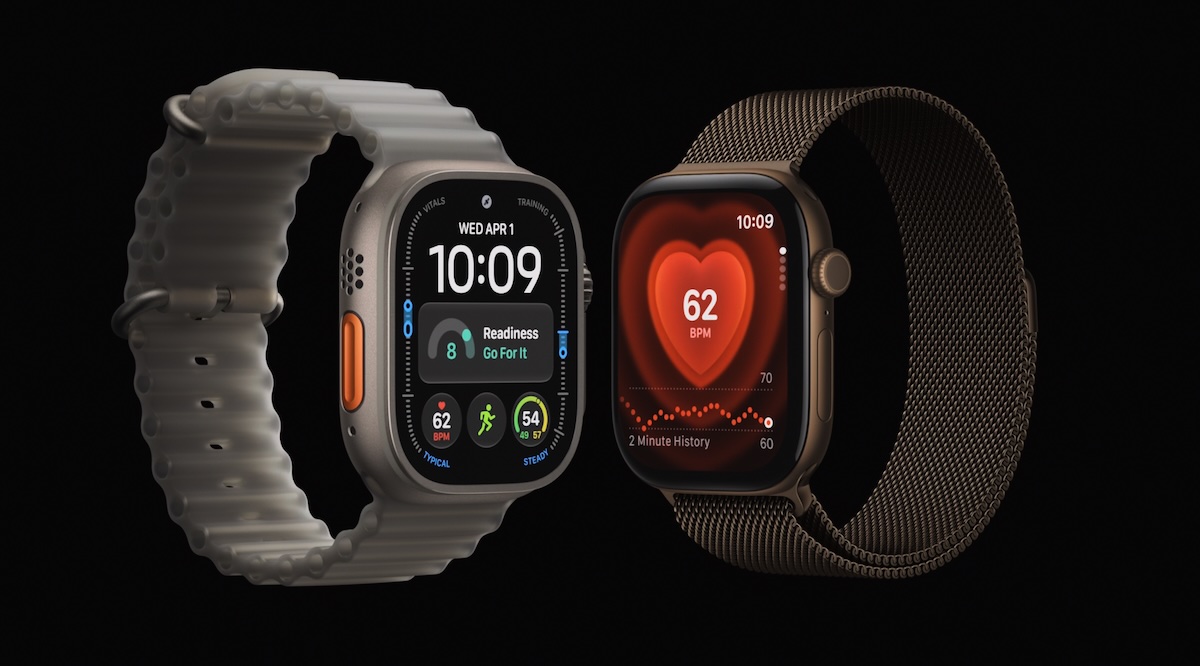
The new Series 12 now takes a heart rate reading every five seconds, all day, using larger LEDs on the optical sensor. It measures heart rate variability up to 24 times more often than before. Variability is the gap between beats, and it is a rough read on how your body is coping: higher is generally associated with better recovery, lower is a marker of stress.
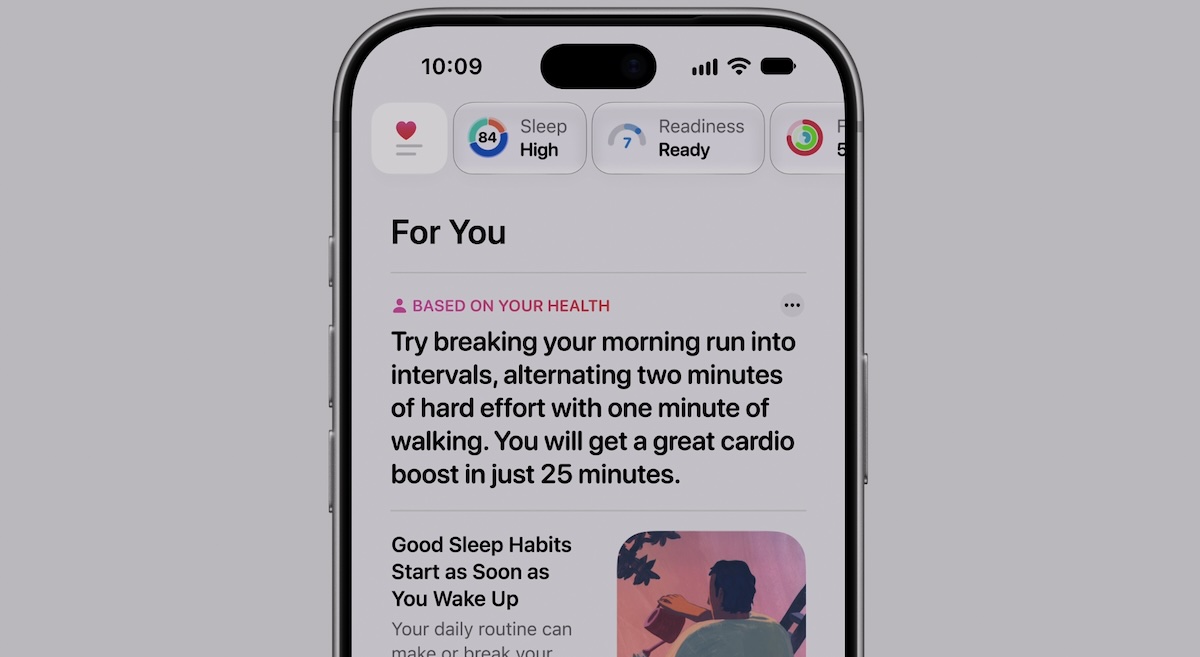
That feeds a new feature called “Readiness”. It’s a 0-10 score of how ready you are to tackle the day based on your vitals.
Apple also used the stage to announce Health Age and a new Longevity tab in the Health app on the iPhone, though neither appears in its release materials yet.
The other addition is Audio Intelligence, and it is arriving later this year. Sound Recognition alerts you when the watch hears sirens, alarms, doorbells or a baby crying, which matters most if you are deaf or hard of hearing, and it works even when your iPhone is not with you. Live Rewind transcribes the last 15 seconds of what was said, for when someone reels off the specials and you catch about a third of it. Siri Recap makes high-level summaries of a conversation you can read back later.
The Series 12 comes in aluminium, titanium and ceramic. The aluminium models now use Ceramic Shield 2, which Apple says is 60 per cent tougher than the Ion-X glass on the Series 11.
The Ultra 4 runs more than two days on a charge, up to 50 hours, or 84 hours in Low Power Mode. Its new Extended Workout mode tracks a session with full GPS and heart rate for up to 25 hours, and a Max Extended Workout mode stretches that to 45 hours, which Apple says is typically enough to finish a 160-kilometre race.
Pricing and release dates
- iPhone 18 Pro: from A$2,099, pre-order Sat 12 Sept 10pm AEST, on sale 18 Sept.
- iPhone 18 Pro Max: from A$2,299, pre-order Sat 12 Sept 10pm AEST, on sale 18 Sept.
- iPhone Duo: from A$3,499, pre-order Fri 16 Oct 11pm AEST, on sale 23 Oct.
- AirPods 5: A$219, pre-order now, on sale 18 Sept.
- AirPods 5 (wireless charging): A$249, pre-order now, on sale 18 Sept.
- Apple Watch Series 12: from A$649, pre-order now, on sale 18 Sept.
- Apple Watch Ultra 4: from A$1,349, pre-order now, on sale 18 Sept.
iOS 27 lands on Monday 14 September and watchOS 27 on Tuesday 15 September.