Yesterday we brought you the news of a great dethroning. Tax Office data demoted Sydney’s east into the dress circle, crowning the Victorian luxury enclave of Portsea the nation’s wealthiest postcode. But what lies behind the gated mansions of Portsea? I thought I’d take a look at the Census to fill in the rest.
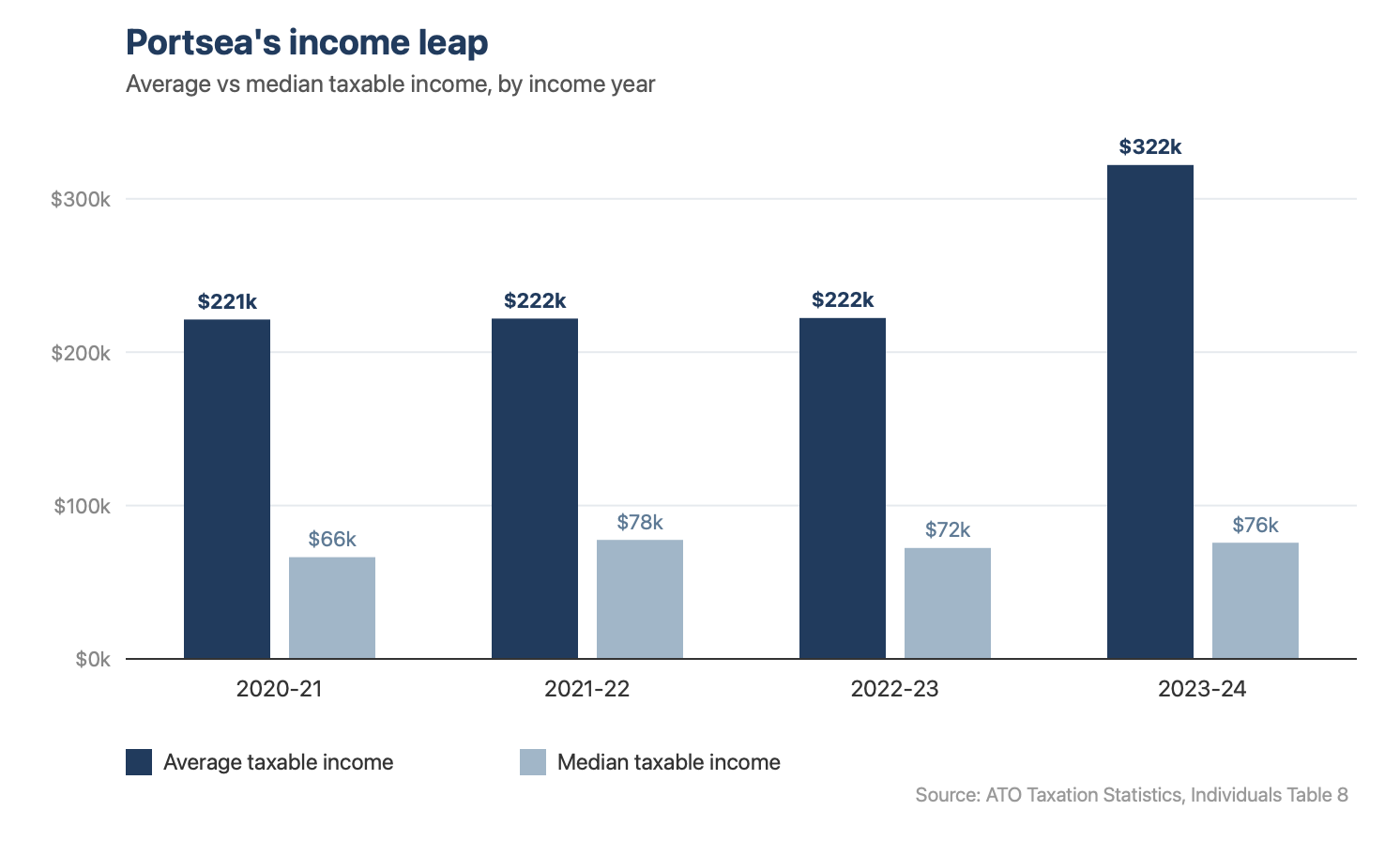
The 3944 postcode at the tip of the Mornington Peninsula tops the country on average taxable income, at $321,988. But numbers without context are meaningless. Here’s what we can glean about the wealthiest postcode.
A quick caveat: the last census was held in 2021 and we don’t get another until August of this year. As a result, the data we’re looking at is much like the population of Portsea itself: a little old.
On census night in 2021, Portsea was still kicking around seventh place, on an average taxable income of about $221,900, sitting behind harbourside enclaves like Double Bay and Point Piper.
With that in mind, let’s dive in.
Australia’s wealthiest ghost town
Let’s start with the houses. On census night in 2021, Portsea had close to 1500 private dwellings. Just 328 of them were occupied. The other 981, almost three-quarters, sat empty.
This is the part of the picture the income figure hides: Portsea is a holiday town, a place of weekenders and summer houses whose owners are counted at their main address in Melbourne, not on the peninsula.
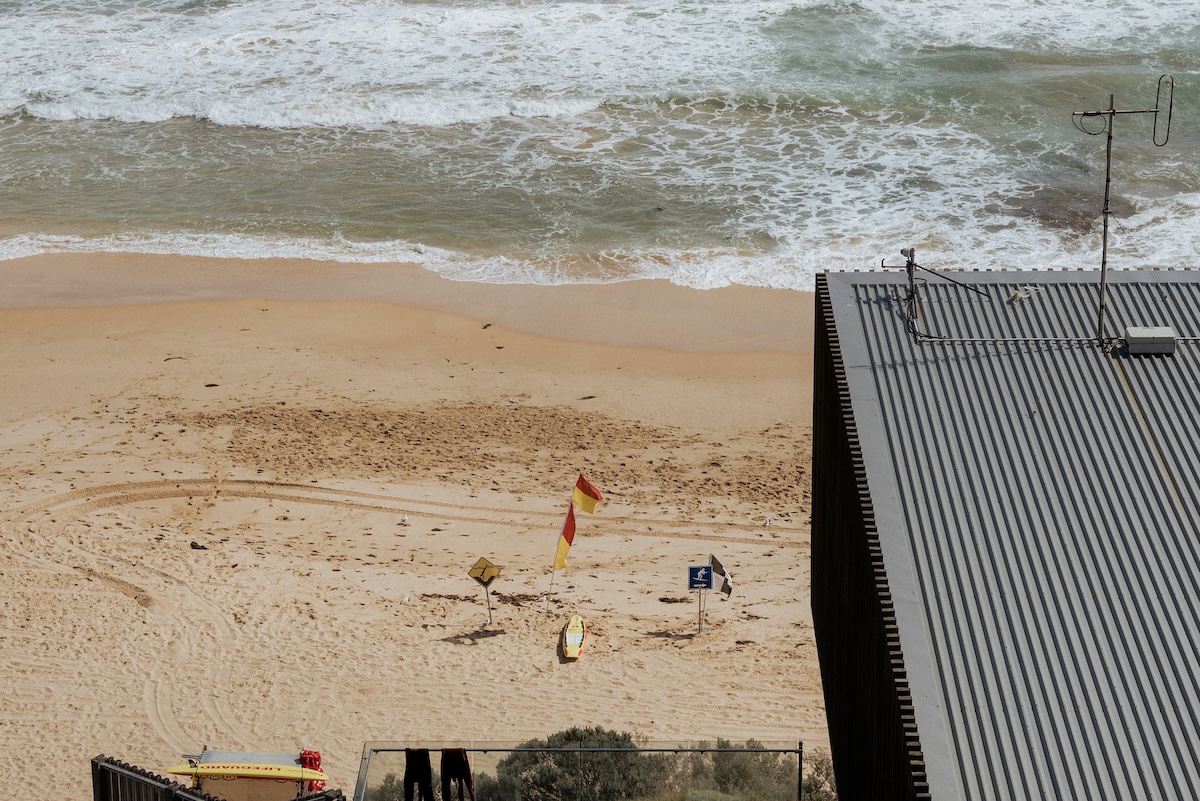
Just 787 people call Portsea home year-round, spread across an average of 1.8 to a household. Almost every dwelling is a standalone house, at 97.6 per cent, and there are two cars in the average driveway.
Older, married and mortgage-free
The people who live there full-time are well past working age.
The median age is 68, a full 30 years above the national median of 38. Nearly 70 per cent are married, against fewer than half of all Australians. These are, in the main, older couples whose children have grown up and moved out.
And they own their homes outright. Of Portsea’s occupied houses, 72 per cent are held with no mortgage at all, more than double the national rate of 31 per cent. Only about seven per cent are rented.
What they do
When Portsea’s residents work, they work at the top. A third of employed locals, 33 per cent, are managers, more than double the national share, and another 30 per cent are professionals. Between them, the executive and professional class makes up almost two-thirds of the local workforce. Close to 40 per cent hold a bachelor degree or higher.
But many are not working much at all. Only 43 per cent of employed residents work full-time, below the national 56 per cent, with more in part-time roles. It is the footprint of a semi-retired population living on what it built earlier.
How they look to the Tax Office
This is where the wealth, and the distortion, shows up. The 656 people who lodged a tax return from a Portsea address reported an average taxable income of $321,988. Yet the median was just $75,809. That makes it Australia’s two-speed economic storm in a teacup where a small number of very high earners drag the average to the top of the national table, while the typical filer earns a fraction of that.
On the census measure, the median Portsea household takes in $2,470 a week, comfortable, but a long way from the headline.
The rest of the detail fits the picture of established, old Australia. Nearly nine in ten residents speak only English at home. Anglicans, at 30 per cent, turn up at more than three times the national rate. Two-thirds have both parents born in Australia.
Put together, the richest postcode in the country is not a hive of high-earning, young tech workers. Instead it’s a quiet, ageing enclave of outright homeowners and the occasional mega-earner, in a town whose grand houses, for most of the year, stand empty and wait for summer.