Watch the full interview:
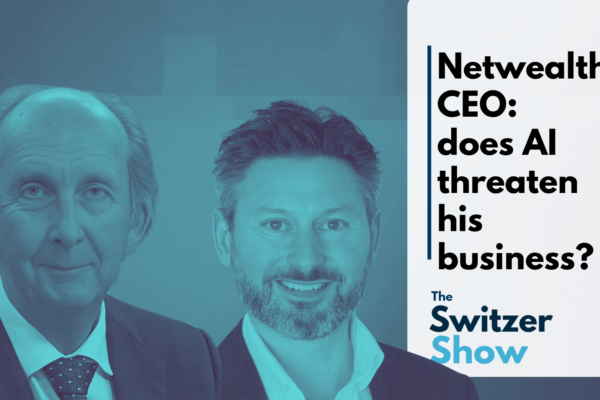
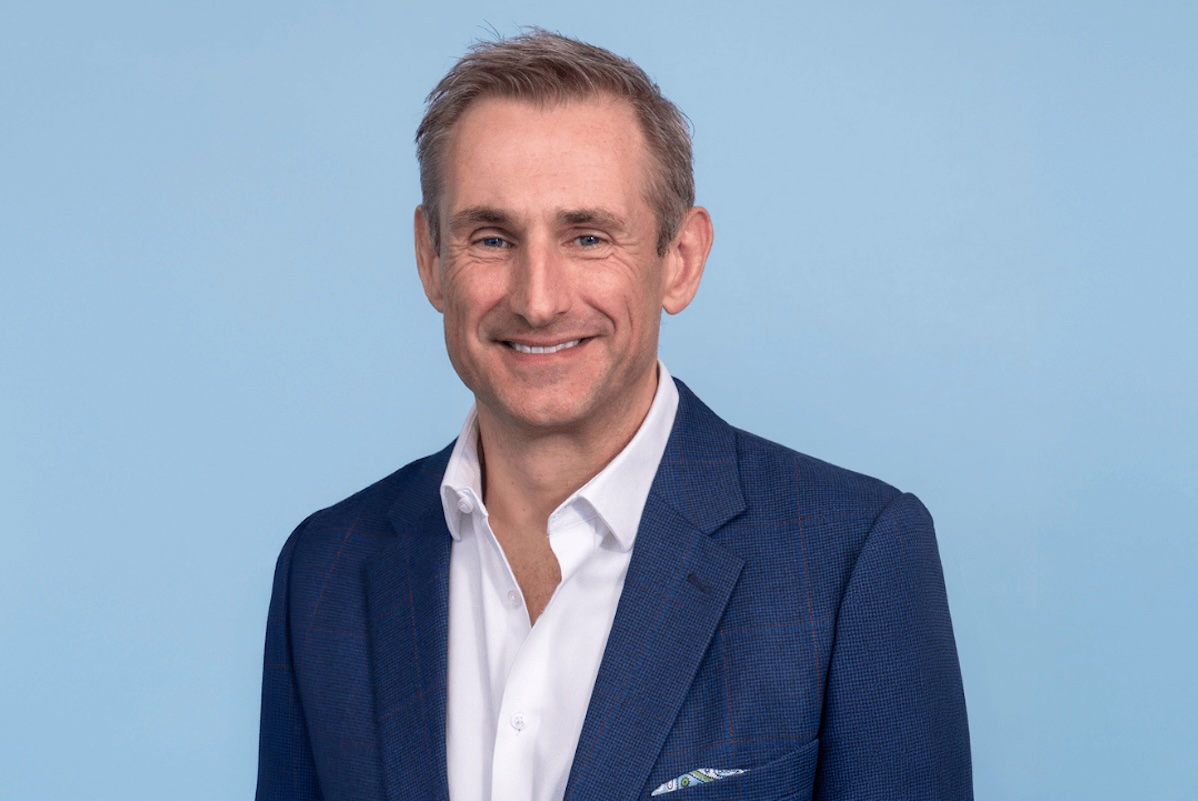
Four months into the top job at Tyro Payments, new CEO Nigel Lee thinks the market has the company materially mispriced. But analysts are still split. This week he made his first appearance on the new-look Switzer TV to explain his big picture.
Nigel Lee took over as Chief Executive Officer of Tyro Payments on 12 January 2026, four months and one week ago following what the company described as an extensive executive search. He replaced Jon Davey, who announced his retirement from the company in June 2025 and left on 5 December that year, with Chief Financial Officer Emma Burke acting as CEO during the five-week handover.
Lee comes to the role with twenty five years in payments. His most recent post was as Regional Managing Director for Asia Pacific and Chief Customer Officer at Ingenico, the French payments terminal company, where he worked with Tyro as a customer. Earlier in his career he held senior roles at American Express, and MoneyGram. He has relocated from Singapore to Sydney to take up the new role.
Depending on which analyst you ask about Tyro’s market future, you’ll get a series of answers. Buy ratings sit at UBS, Morgans, Canaccord Genuity, Shaw and Partners, and J.P. Morgan. Macquarie has a Hold. But Morgan Stanley has a Sell.
Regardless of the mixed coverage, Lee laid out a case on Switzer TV this week that the market is failing to engage with the underlying numbers. Naturally, as CEO he has a direct interest in talking the company up, but his case is still worth examining.
Market price versus market prose
“However you look at this company in terms of its metrics, whether you look at it in discounted cash flow, whether you look at it in terms of multiples of EBITDA, this company is worth more than it currently is,” Lee told Peter Switzer.
“The big challenge has been that the market is lacking a conviction that the company can grow, which is interesting because at the half year, we actually already showed that we were growing six percent. Internally we see the runway is much longer than that.”
Lee believes the market sees Tyro as a structurally-challenged business when the company’s internal view points towards growth. The disconnect Lee is trying to close is between that operational picture and a share price that has not yet reflected this.
The new CEO added that Tyro’s own customer base of small business owners and merchants nationwide – which can often be a company’s harshest critic – is also predicting growth for the company thanks to growth in customer spending. The company runs a regular survey of its approximately 76,000 Australian merchants (albeit in a cross-section), and the most recent survey, Lee said, shows 86 per cent confidence going into the next twelve months, up from 75 per cent at the previous reading.
Bear in mind, however: that survey was conducted around December 2025. Since then, the Iran war has kicked off, spiking fuel prices and bringing inflation fears front and centre (again). Add on top of that a pretty unpopular Federal Budget and those respondents might answer differently if asked the same question today. On the same show that Nigel Lee appeared on, economist Chris Richardson noted that consumer confidence is markedly different from the survey merchant confidence.
Lee’s argument, however, is that the small-business view on the ground is more constructive than recent headlines suggest.
The underused banking licence
Lee mentioned on the show that Tyro has held and still holds a banking license in Australia, and has done since 2015. It’s licensed as an Authorised Deposit-taking Institution, which allows the company to offer banking products such as deposit accounts and business loans, but the company’s use of it has been modest to date.
Lee was direct on the show that this is an area he sees as undervalued by the market and it’s something that the strategic review he is currently leading will examine.
On how the company is responding to the RBA’s shifting policy on payments, Tyro welcomes it.
In a statement to the market when the RBA released its decision banning surcharges, Lee called it a win. The statement read in part that the new regulations would “represent a structural shift in the market towards greater transparency and stronger competition, and this is an environment that plays to Tyro’s unique strengths.”
At yesterday’s close, Tyro shares traded at $0.76, down 15% in the last 12 months. The CEO, at least, appears to have the energy to try and reverse that slide and challenge mixed analyst sentiment.
This article does not take into account the investment objectives, financial situation or particular needs of any individual. It does not constitute formal advice. Consider the appropriateness of the information in regards to your circumstances. Before acting on anything we discuss, we strongly recommend you seek the appropriate professional advice.