
If this ‘surprise, surprise’ tax on testamentary trusts becomes law, there’ll be a minimum tax of 30% imposed on any income generated by these trusts. Is this a death tax in disguise and yet another thin edge of the wedge?
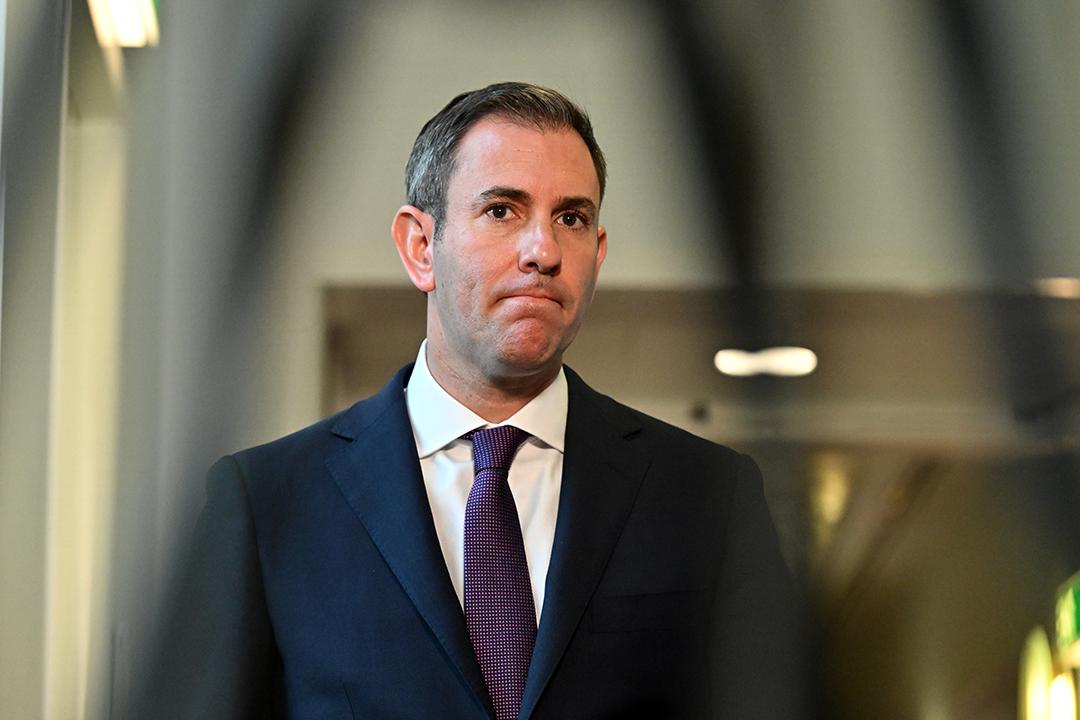
As US legend Benjamim Franklin famously wrote “Nothing in life is certain except death and the obligation to pay taxes”. But few Australians were expecting that ‘buried’ in the Budget was effectively a death tax. While it wasn’t called this by Treasurer Chalmers, this is what expert estate planning and wealth advisers are calling it.
The Australian’s James Kirby has read between the lines and reports that “under new budget measures, family trusts are set to be hit with a minimum 30 per cent tax rate. The new rule will also apply to the most common form of estate planning trust: the Testamentary Discretionary Trust (TDTs).”
These TDTs are used by estate planners and financial advisers when preparing wills when someone wants to leave money to their loved ones after passing away. Experts recommend these trusts for three key reasons:
- Protect assets against bankruptcy or financial difficulties.
- To prevent marriage difficulties leading to loved ones being victims of gold diggers and relatives unfairly looking for a distribution from the estate of someone who has died.
- To legally reduce the potential tax on those who are beneficiaries of the will.
Coleman Greig Lawyers explain how tax can be reduced using a TDT: “Each of the children would have the ability to share the income from the investment of the Trust capital with the other beneficiaries of his or her Trust, thus minimising the income tax on that income. In particular (because the Trust arises under the Will of a deceased person) infant beneficiaries would be treated as separate taxpayers in relation to the income earned from that Trust. Each of those infant beneficiaries would be entitled to the normal tax-free threshold and would thereafter be assessable at the lowest income tax rate of 15 cents in the dollar. This benefit is only available in respect of Trusts arising from deceased estates.”
Right now, the tax isn’t set to be imposed until 1 July 2028, and it has to be approved by Parliament, but it has shocked the legal and advice fraternities.
“We had no warning of this, and I had hoped there might be a carve-out for this area as there had been the last time it was mentioned in the Shorten election campaign of 2016 – but it’s clearly not there,” estate planning expert Rachel Rofe told The Australian. “The government can say that technically we are not taxing assets in estates, but it is a tax to be introduced on income generated on those assets … This is a death duty by any other name”.
If this tax on trusts becomes law, there’ll be a minimum tax of 30% imposed on any income generated by the trust.
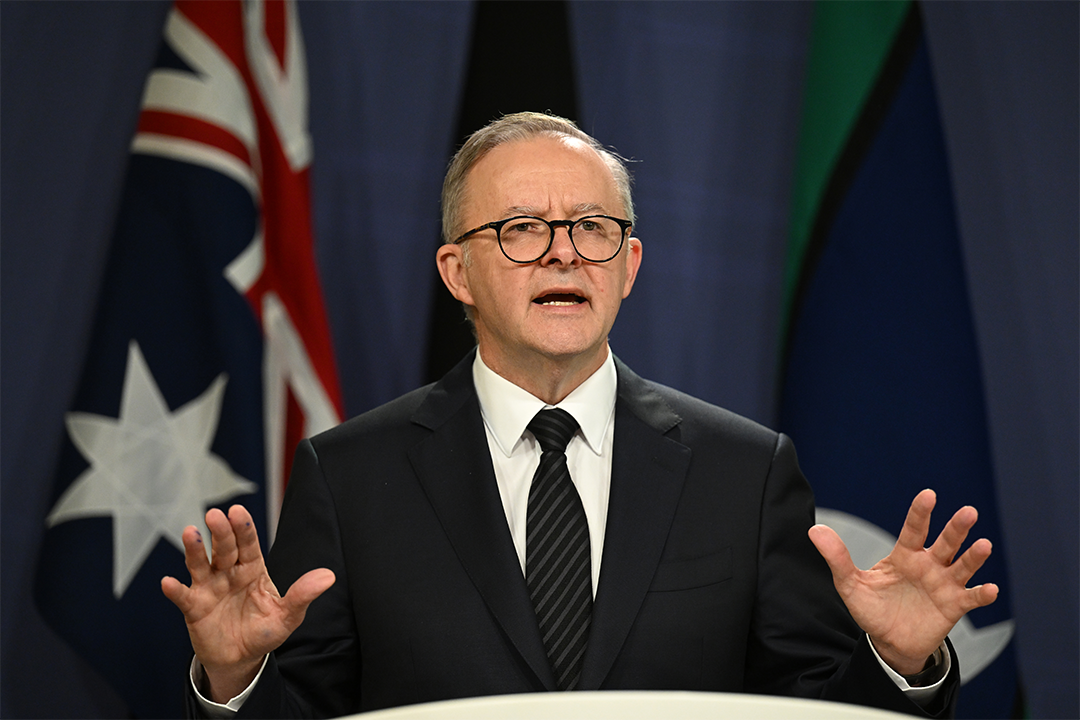
Kirby says Opposition Treasury spokesman Tim Wilson in question time asked the Prime Minister whether he would “rule out changing his mind about the death tax?” However, Mr Albanese did not address the question, instead he harangued the Coalition saying: “We are the party that went to an election with lower taxes.”
While that seems like a claim that needs to be tested, it doesn’t look like this lower taxes promise was meant to apply to a big chunk of Australians, who are property and share investors, business builders and now those who die with plans to leave their loved ones safe from gold diggers, financial problems and the Australian Tax Office.
The main difference between trust established by will on death (testimatery trust) and discressionary trust is that beneficaries of the latter, who are under 18 are taxed on all money over $416 at the rate of 49% tax and beneficaries of the former get the full tax free threshold approximately $19,000.
If he brought that into line i would have said fine. But instead a he is removing the tax free threahold from those who are entitled to it. WHAT A BASTARD! VOTE THEM OUT!