
The Albanese Government has quietly declared which side of the generational divide it stands on. Two recent policy moves – one targeting property investors, the other cutting private health rebates for over-65s – are hitting the same demographic. Coincidence, or calculated politics?
The Albanese Government is drawing a line in the sand favouring younger Australians over older Australians, telling around 3 million over-65s that they will pay the same amount for private health insurance as younger Aussies.
Why is Labor doing this?
Well, they say it’s to re-establish fairness between generations. Health Minister Mark Butler pointed out that the private health care rebate anyone receives depends on their income, “but currently some older people are recouping eight per cent more than younger people on the same income.”
How did that happen?
The Howard-era government in 2004 introduced an extra incentive for older Australians to keep them in private health care and reduce the pressure on the public hospital system. These bonus rebates reduced the effective costs of private health insurance for this group by 30–40%.
What are the expected effects?
Treasury and other experts on private health insurance expect the following:
1. Those over 65 will have to pay about $240 more a year for private health insurance.
2. About 3 million people will be affected.
3. The estimate is that only 44,000 will drop private cover because of the change.
4. It could affect the viability of private hospitals.
5. Some of the money saved – $1 billion – will be used to cover the cost of showering and continence care assistance for those in the Support at Home package
Yesterday, the Minister explained his decision at a National Press Club luncheon: “I understand this won’t be a welcome decision for many, but it’s the right thing to do. The change will re-establish intergenerational equity in the rebate system and free up funding to provide more dignity and care to older Australians.”
Politics or Policy?
Given the well-announced plan for the May 12 budget to reduce the tax incentives for being a property investor – which will hit many over-65 retirees – and now this decision to make private health insurance more expensive for over-65s, it’s clear Labor believes many older, successful saving-and-investing voters favour the Coalition or One Nation.
Of course, while there is a very appealing argument that the Health Minister runs with about intergenerational equality, the experienced political watcher suspects this is more about Labor knowing there are more votes to be gained by being nice to younger voters than older Australians.
The wider inequity question
Many Australians often wonder why, within existing generations, there is inequity that’s ignored and never addressed. For example, many believe the benefits given to public servants are grossly unfair, especially when it comes to pay differences, working conditions, super and productivity expectations compared to the private sector.
Others who have to go to work each day because of the nature of their job – for example, builders – believe those working from home are enjoying cost savings and lifestyle benefits greater than them.
Some employees believe business owners have greater tax benefits because the tax system allows it, while business owners don’t think they get any real recognition for the hours they work, the jobs they create, the people they train and the total tax bills they fork out.
Inequity is everywhere, especially in the minds of those who feel they are unfairly treated – but I can’t see the Albanese Government making changes to address some of these other inequities. That’s because there are no easy votes to win in those changes. Funny that.
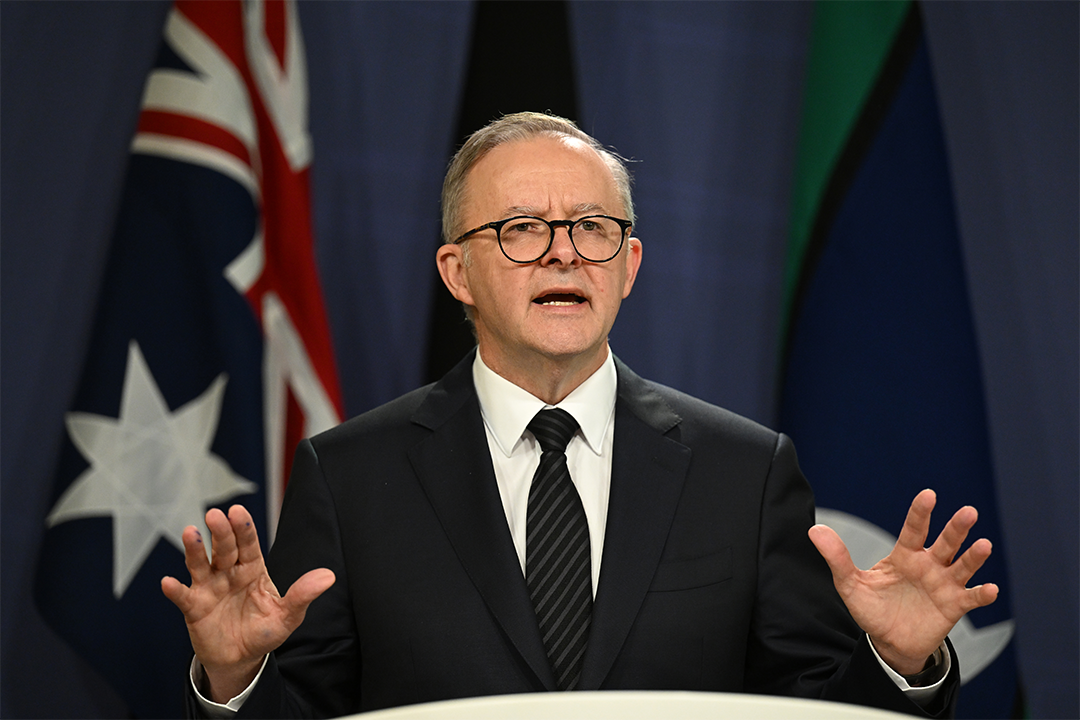
Targeting older Australians: there are more votes to be gained by being nice to younger voters than older Australians.
You’ve summed it up exactly. Labour will never do anything that is the right thing to do if it thinks that will damage it politically. The people affected by this are irrelevant to Labour as most of them probably don’t vote for Labour. What we have now is tribalism on steroids and the media wonders why there is increased division in society. This is Labour’s legacy.
Older people become wiser as they age and have seen the failures of countless socialist policies over the decades. Younger people are generally more gullible and open to socialist propaganda until they learn as they age.
We are smsf retirees, who have worked all our lives and are now both aged 80+. I am sick of this system which has not done any favours for us. I have also not been able to contct Centrelink due to multipe changes to this system. We also have private health care which is becoming more diffcult to fund as we are barely above the threshold limit.
Now I am receiving aged care support which is welcome. It consists of 2 hours perweek cleaning (very welcome) and am now getting a physio fortnightly, but have not yet had a bill.
This system after becoming digital means you do not have any opportunities to talk to a real person. As a previous civil servant in the UK I had to interview work injury clients.
This lowers my ability to watch for body language a plus in communication.
I have also been besieged with telephone calls from people supposedly work for the NDIS. Who offer help that I do not need as I am now with Aged care awaiting a letter outlining what I am entitled to. I do not consider myself as being disabled, althoug I now use a stick.
The system needs to include people offering face to face communication. You cannot see this person which reduces understanding of what they are telling you. Sorry if this messages sounds negative, but I would like to see some changes to the way in which communication is offered. Thank you for your time.
The new buzzwords from the left “intergenerational equity” is just another hijacking of the English language. This time to soften what us simply class warfare.
i.e. if you get too successful, Labor will take it off you.
p.s. Labor will define what is successful and it will be poles aprt from the lived experience.
Pathetc
Simple reason being that this Government knows that the majority of the aged voters don’t vote for them.
I was surprised that they wiped out the assistance completely in one fell go. To move the starting age progressively up to, say, 75, could be a reasonable change for this age and day when people are able to plan for the future.
PETER you write : “The Albanese Government has quietly declared which side of the generational divide it stands on. Two recent policy moves – one targeting property investors, the other cutting private health rebates for over-65s – are hitting the same demographic. ………………………..Coincidence, or calculated politics?”
Purely a rhetorical question ! You already KNOW……IT IS ALL CALCULATED POLITICS !
PROBABLY promoted by “experts” who offer such intellectual gems [????] as this :
[ N.B……”Intergenerational inequity” IS NO LONGER SUFFICIENT REASON TO ACT !! ]
“There is also a problem with “horizontal equity”.
“People with income from different sources (earnings, business profits, rent, interest, capital gains) should pay the same amount of tax, no matter what the source of the income.”
“Currently, people with income from selling an asset (a capital gain) pay half the tax of people with salary or other income.”
…………………………………………………………………………………………………………………………………………….
In Australia, capital gains tax (CGT) is not a separate tax but part of your income tax.
Net capital gains are added to your assessable income and taxed at your marginal rate !
. For assets held over 12 months, a 50% discount applies to individuals, meaning only half the gain is taxed….BUT the PROFIT still becomes part of your assessable income
and is taxed at your marginal rate !
Key CGT Components as of April 2026:
Discount: A 50% CGT discount applies to assets held for over 12 months by individuals and trusts .
Tax Rate: The gain is added to your personal income and taxed at your Marginal Tax Rate, which can be up to 45% (plus Medicare levy) for high earners .
Super Funds: Complying super funds receive a 33.33% discount
……………………………………………………………………………………………………………………………………………..SO….THE CLAIM THAT “Currently, people with income from selling an asset (a capital gain) pay half the tax of people with salary or other income.” IS WRONG or ONLY TRUE
IF THERE IS NO OTHER INCOME ….but even so , if the PROFIT IS SUFFICIENTLY LARGE…….you will STILL pay ADDITIONAL tax on the sale of the asset !
.
AND…..YES……IT IS AIMED AT GRABBING TAX FROM THE ELDERLY [ Liquidating their assets ] OR ‘CASHING IN’ THEIR INVESTMENTS , HOBBIES , SOUVENIRS , KEEPSAKES etc
PRIOR TO “Entering their ‘care home’ …………….or possibly dying ! ”
………………………………..In which event , they won’t get THAT VOTE either !