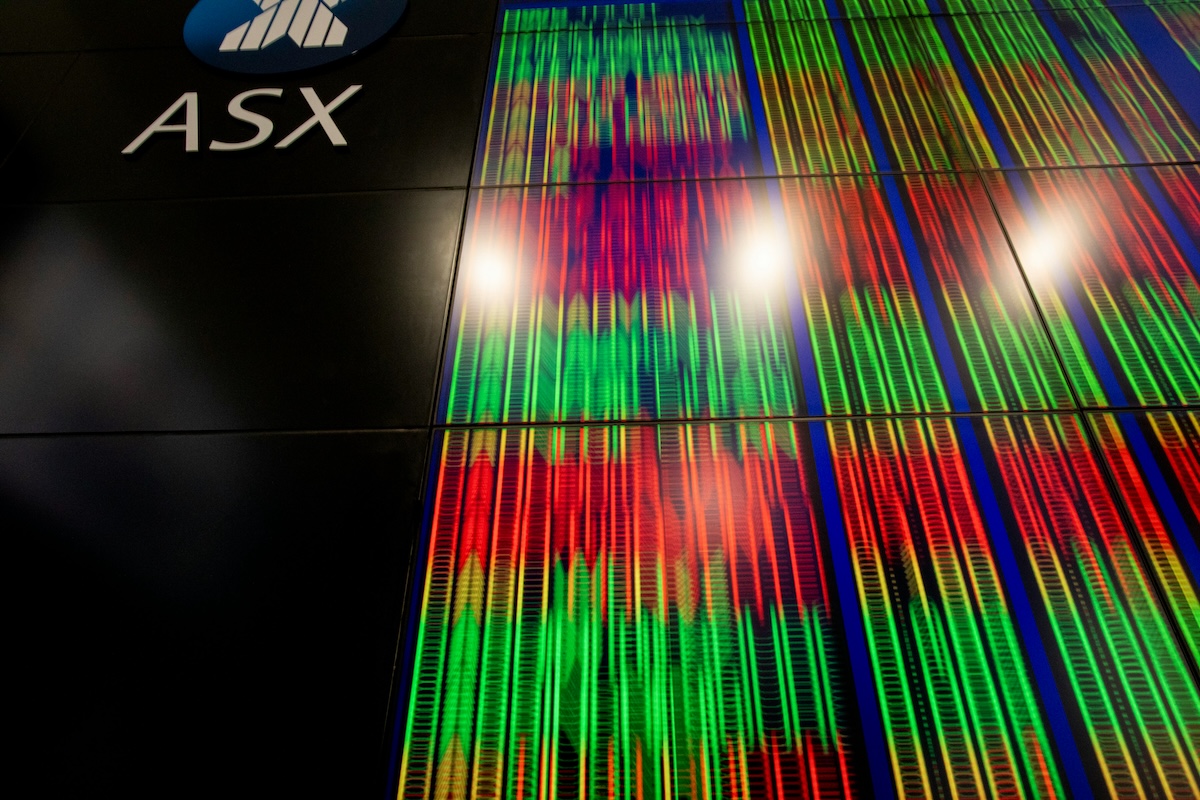
About US$2.9 trillion has been wiped off in the worst day since the Liberation Day tariff sell-off. Here are the biggest losers and the rare winners.
The S&P 500 fell 4.36 per cent on Thursday, US time, to close at 7,353.73. That followed a 1.58 per cent rise on Wednesday.
The Nasdaq Composite lost 5.52 per cent to 24,315.00 and the Dow Jones Industrial Average dropped 1,833 points, or 3.44 per cent, to 51,523.06.
For all three, it was the biggest one-day percentage fall since 4 April 2025, two days after President Trump announced his “Liberation Day” tariffs.
All three closed below where they were on Tuesday, before the votes were counted.
The rally
Democrats won control of both the House and the Senate in Tuesday’s elections. As at Thursday, US time, the Associated Press had Democrats on 54 Senate seats, with Alaska and Mississippi still uncalled, and 251 House seats, with 29 still to be decided.
On Wednesday the Dow jumped 3.03 per cent. Nine of the 11 S&P 500 sectors rose, led by consumer discretionary, up 4.27 per cent, and financials, up 3.46 per cent.
Based on S&P Dow Jones Indices data, the S&P 500’s market value rose by about US$1 trillion on the day, to US$66.2 trillion. Thursday’s 4.36 per cent fall on that base is worth about US$2.9 trillion.
The turn
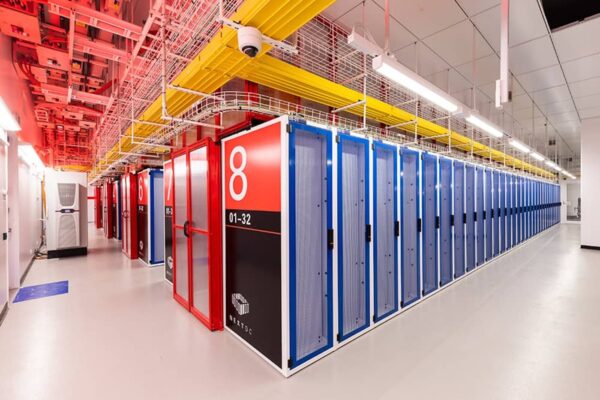
The selling centred on companies tied to the build-out of AI data centres.
Senator Bernie Sanders, who has called for a national moratorium on data centre construction, posted on X on Wednesday evening. “Americans don’t want Big Tech oligarchs wrecking the environment, gutting jobs and threatening humanity’s future,” he wrote, as CNBC reported.
In Texas, Democrat Gina Hinojosa won the governor’s race. Fortune reported she wants an immediate moratorium on new data centres in the state. Across the country, Fortune reported, most of the 41 ballot measures to slow data centre construction passed.
“It’s about tone and tenor from the party that did really well, incredibly well, at the federal level and at the state level,” Orion’s chief investment officer Tim Holland said, CNBC reported.
Chipmaker Qualcomm added to the selling. Its earnings guidance came in below analyst estimates, CNBC reported.
The losers
The PHLX Semiconductor Index fell 12.25 per cent, its worst day since March 2020.
Memory and storage makers fell hardest. Sandisk lost 22.4 per cent, Micron 17.8 per cent, Western Digital 17.6 per cent and Seagate 16.7 per cent. AMD fell 17.4 per cent.
Nvidia dropped 8.9 per cent, Broadcom 10.2 per cent, Intel 10.4 per cent and Qualcomm 9.6 per cent. Tesla fell 10.7 per cent.
The rest of the big tech names fell less. Microsoft lost 3.3 per cent, Meta 3.6 per cent, Alphabet 2.1 per cent, Amazon 2 per cent and Apple 1.2 per cent.
“This is what we would call a total capitulation by retail investors,” Vanda Research global macro strategist Viraj Patel said, Yahoo Finance reported.
Wall Street’s fear gauge, the VIX, jumped 70 per cent to 28.18, its highest close since March.
The rare winners
About one in six S&P 500 stocks rose. Several of the biggest gains came from companies that reported results.
AppLovin jumped 31 per cent after third-quarter revenue of about US$2.2 billion came in above its own guidance. Tapestry, the owner of Coach, rose 7.5 per cent after it raised its full-year outlook, and payments company Corpay gained 7.3 per cent after third-quarter results came in ahead of its own expectations. Motorola Solutions rose 4 per cent after lifting its revenue and earnings outlook.
Investors also moved into US government bonds. The yield on the 10-year Treasury fell to 4.84 per cent, from 4.90 per cent on Wednesday.
This article does not take into account the investment objectives, financial situation or particular needs of any individual. It does not constitute formal advice.