With the US and Israel attacking Iran, and the Middle East again engaged in war, the big question for anyone interested in money is this: how will the economy and my investments be affected?
With the US and Israel attacking Iran, and the Middle East again engaged in war, the big question for anyone interested in money is this: how will the economy and my investments be affected?
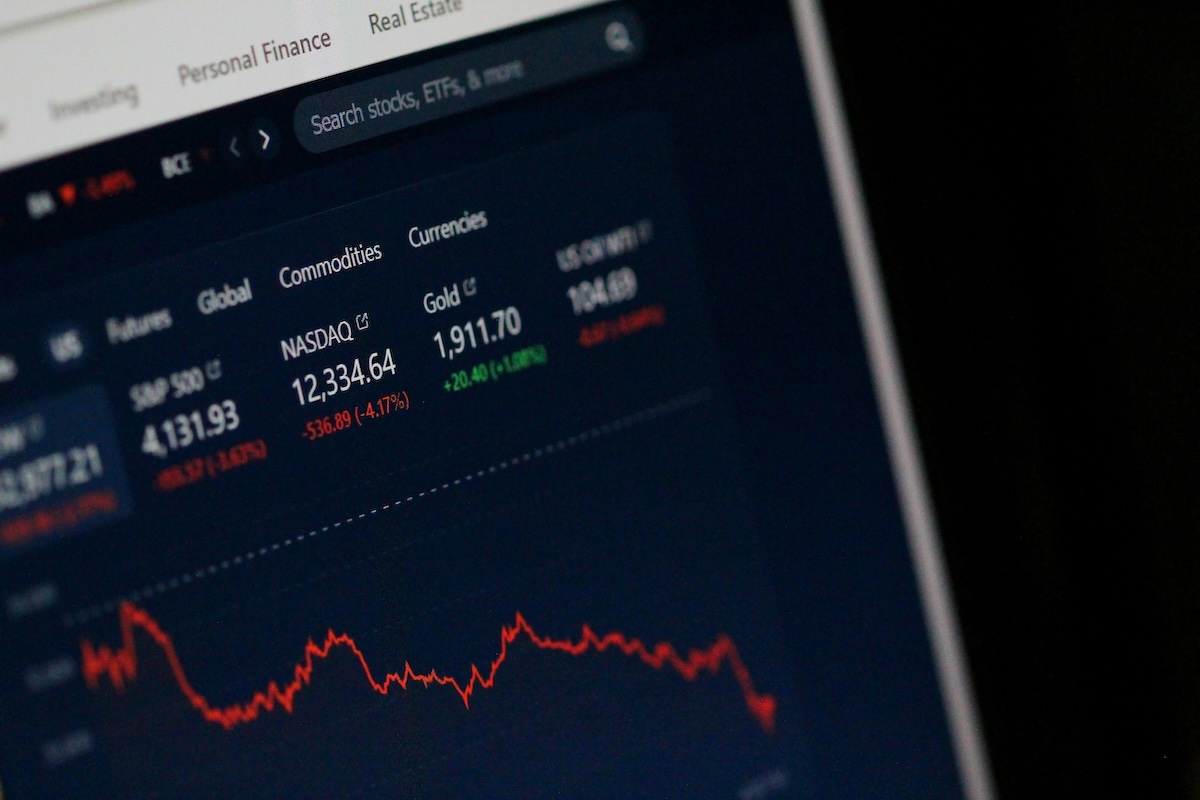
The first obvious result of the bombing of Iran and the killing of its Supreme Leader Ayatollah Khamenei means stock markets will slump, with our S&P/ASX 200 Index being the first major barometer of investor reaction put on show for the world to see. The uncertainty of what follows can’t be underestimated and the short-term investor can’t expect great positives, unless their portfolio is geared up for war.
Investment-wise, while stock markets fall heavily on geo-political developments of this ‘shock and awe’ magnitude, that’s a shorter-term reaction. Over time, these events do create a buying opportunity. And in the short term, the likes of gold and oil company share prices will spike, with fear with the former and supply issues with the latter bound to hit what they’re worth today.
On oil (and therefore petrol), we know that Iran has warned crews on international commercial ships that they can’t pass through the Strait of Hormuz, with news.com.au reporting traffic on this crucial waterway down to only 70%.
Oil from Saudi Arabia, Iraq, the UAE, Kuwait, Qatar, Bahrain, and Oman pass through this strait and David Lu from news.com.au tells us, “Iran is the 4th largest oil producer pumping out 3 million barrels a day in January.”
And AMP’s chief economist Shane Oliver told this to the ABC: “Oil prices will spike sharply, possibly above US$100 a barrel, from US$67 on Friday for West Texas, given the disruption to oil supplies, including via the Strait of Hormuz,”
In a nutshell, here are the market effects of all this:
- Stock markets will be down until there’s a cessation of hostilities.
- Buying opportunity will be there for longer-term investors.
- The longer this goes on, the more likely a global recession could follow.
- Inflation is likely to spike as oil prices and rising costs come out of this war.
- The RBA will hesitate to raise interest rates with this negative force for demand coming for the economy.
- The $A generally will fall as the greenback is seen as a safer currency and our dollar is closely linked to world trade that’s set to be negatively affected.
- A rise in the price of oil with each US$10 rise in oil prices adding about 10 cents a litre to the overall price paid, which could push prices in Australia sustainably above $2 a litre.
- Super fund returns won’t be helped by the fallout effects of this war.
- The travel industry will be in short-term chaos, with 1,800 flights cancelled in the Middle East countries on Saturday alone.
Historically, while stock markets have overreacted to big events like this Iran invasion, over time there’s a bounce back for stocks, and it can be quicker than most normal people would think.