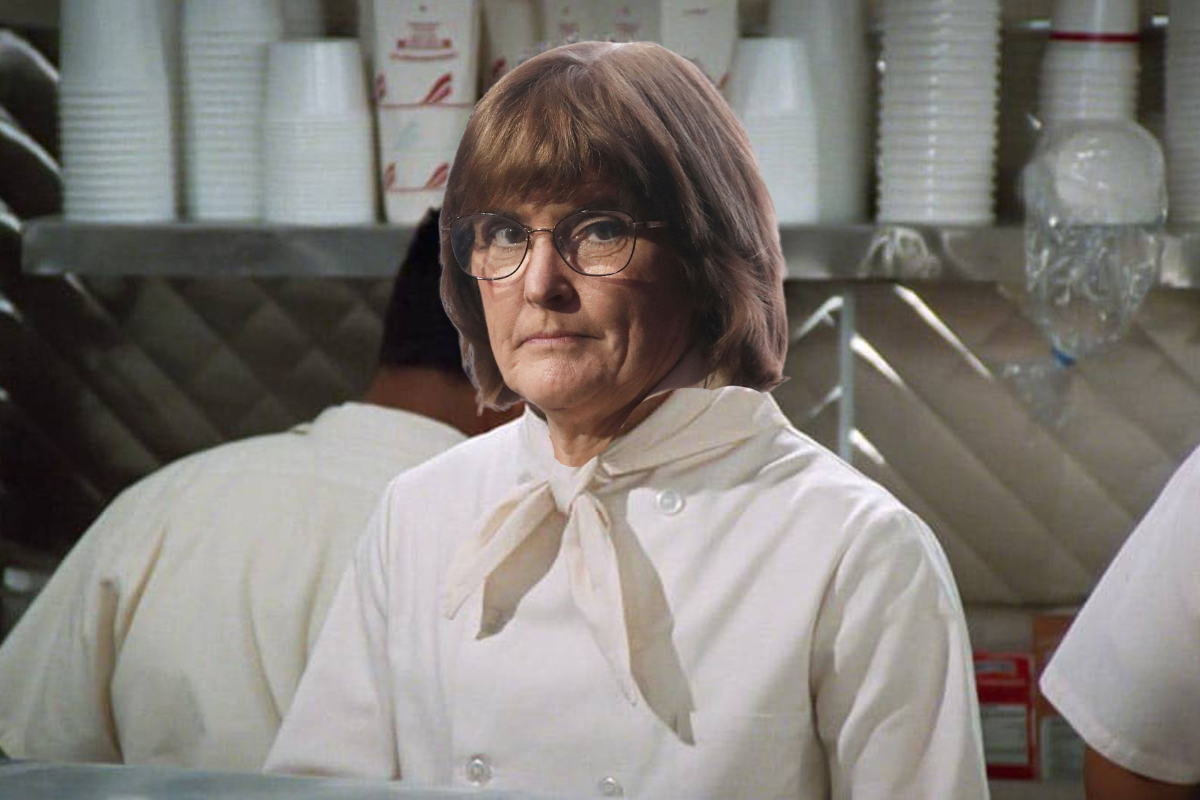
Reserve Bank Governor Michele Bullock has done a Seinfeld by effectively saying: “No rate cut for you!” What’s the story here?
Reserve Bank Governor Michele Bullock virtually did a Seinfeld Soup Nazi by effectively saying: “No rate cut for you!” To ram home the message, her bottom line to everyone who cares about interest rates was to expect rates ‘on hold’ and if a move happens, it’s more likely to be up not down!
Of course, while I take Bullock on her word, as J.K. Galbraith told us: “In economics, the majority is always wrong.” While it’s a little excessive to say “always”, this learned guy did note a lot of memorable things about economics in his illustrious career.
While the Reserve Bank and the increasing majority of economists who agree with its Governor could be proved wrong, it will take around six months to prove this either way.
I’ll explain why the majority could be proved wrong in a moment. For now, let’s look at Bullock’s main points in discussing the Board’s decision of no change to rates.
Here’s a summary:
- It was unlikely additional cuts would be needed in 2026.
- The private economy is recovering and taking over from public demand.
- “The recent data suggest the risks to inflation have tilted to the upside, but it will take a little longer to assess the persistence of inflationary pressures.”
- Private demand is also recovering while the labour market appears a “little tight”.
- The board would continue to monitor the labour market closely as it considered future rate moves.
This makes tomorrow’s unemployment number the first big watch for the RBA and interest rate worriers. If the jobless rate rises from 4.3% and the number of jobs created is less than the expected 25,000, then these data drops will be good for keeping rates on hold. However, if the unemployment number falls and the number of jobs created are bigger than forecasted, then rate-rise headlines will escalate.
Yesterday in my column on Switzer Daily, I pointed to AMP’s deputy chief economist Diana Mousina and Yarra Capital’s Tim Toohey. They both argue that rates could fall and that it wasn’t necessarily the case that a rise was going to happen.
While they didn’t say this, they know that our economy has changed, especially since the Covid lockdown experience. This means some economic data we read could be less valuable than it was before. Meanwhile, other data revelations might now be more insightful than they used to be.
What I’m saying is that as the structure of an economy changes, old economic models we use to forecast and make predictions could be less reliable.
What kind of changes could make economists less astute and aware of what’s happening in the economy? Try these:
- The work-from-home trend (WFH) and its impact on productivity and then inflation.
- The money saved by the WFH brigade and the different spending patterns and saving habits that result.
- The growth of employees with “side hustles” in the age of TikToc, Instagram and so on.
- The fact that more people now use online shopping. Many never did this until they were locked up because of the Covid threat.
- The advantage for big business from the growth of online shopping versus smaller competitors.
- The impact of a housing market that’s so tight that many Australians can’t buy a home. What does that mean for other spending and the inflationary effects of this ‘new age’ problem.
- Younger generations who have very different attitudes to work, spending and commitment to traditional values and institutions.
- The rise of mental health issues in the workplace and the restrictions placed on employers in pursuing profit and productivity for the sake of a better workplace for employees.
While some of these change of circumstances would have had small impacts on what data is telling economists, others might’ve had bigger-than-anticipated effects. So, we simply have to wait and watch the data come out over the next three to four months.
That’s what the RBA, Treasury, economists and yours truly will be doing and these data drops will determine what happens to interest rates.
Anyone who tells you they’re certain that rates will rise or fall are nothing more than confident guess merchants.