The government has obtained from its economic reform roundtable broad support to work on three major areas of tax reform.
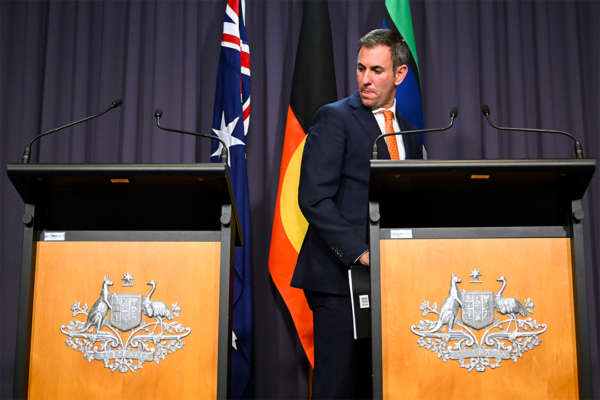
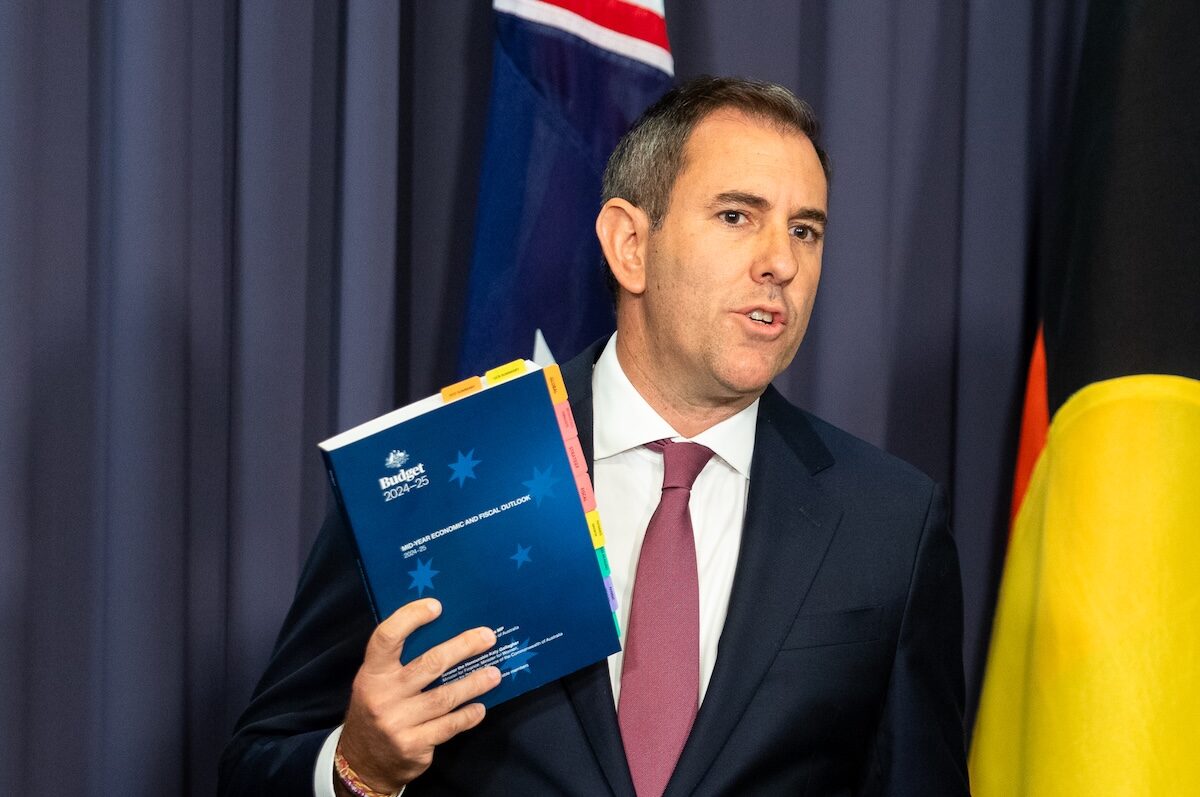
Treasurer Jim Chalmers told a news conference after the three-day meeting there had been several hours of debate about the future of Australia’s tax system.
“Where we landed was that there was a lot of support for trying to put a structure around the work that we will now do as a government in a consultative way, collaborative way to really try and address three objectives in the tax system.”
The three priority areas are:
- achieving “a fair go for working people” including in terms of intergenerational equity
- finding “an affordable, responsible way” to encourage business investment
- and making the tax system “simpler, more sustainable” to fund services, particularly with an ageing population.
But Chalmers ruled out a comprehensive, independent tax inquiry. “What we committed to the people around the room was that we would do the work in those three areas. We’d consult them where we could, and we’d do that without a big public, formal tax review”, he said.
Chalmers, who is anxious to push reform as far as possible, said the tax system was “imperfect”.
“One of its most troubling imperfections is best seen through an intergenerational lens.
“Almost everybody around the table had a similar view, which is, we take our responsibilities to the coming generations seriously.”
He said this had implications for the tax system “and if there was one kind of defining element of the contributions that people made around the table, it was intergenerational”.
Those stressing these issues included former Treasury secretary Ken Henry, ACTU secretary Sally McManus, Professor Bob Breunig, a tax expert from the ANU and crossbencher Allegra Spender, among many others.
“We recognise that we as people of influence with this opportunity have responsibilities in lots of ways, but especially intergenerational responsibilities and we take them very seriously.”
The meeting gave strong support to a road user charge scheme and to removing, streaming or accelerating a host of regulations and approvals, especially in the areas of housing and environmental approvals.
The treasurer sorted these into different categories, including “reform directions” for the government moving forward and “quick wins” for cabinet ministers to take on “with some urgency”.

Michelle Grattan, Professorial Fellow, University of Canberra
This article is republished from The Conversation under a Creative Commons license. Read the original article.