
Note: Peter’s trusty laptop has unfortunately bitten the dust this week. He wouldn’t let that stop him, though! Today he’s filed his story via video. Below is the transcript of his discussion for today’s featured story.
It’s going to be a very unusual story for me today. My original and trusty laptop went dead on Tuesday. The replacement has also gone dead, and I’ve got a feeling that there’s going to be another problem down the track somewhere because problems come in threes!
So, I thought I’d just do today’s story in a video style, and it’s about Jim Chalmers.
He’ll soon deliver, in fact, it’s today, the mid-year economic update, usually done around November or December of the year. And he’s going to say that the economy is slowing and that unemployment, which is at 4.7% is going to keep on rising.
This comes as the money market is now tipping an interest rate rise before the end of the year, either on Cup Day or in December.
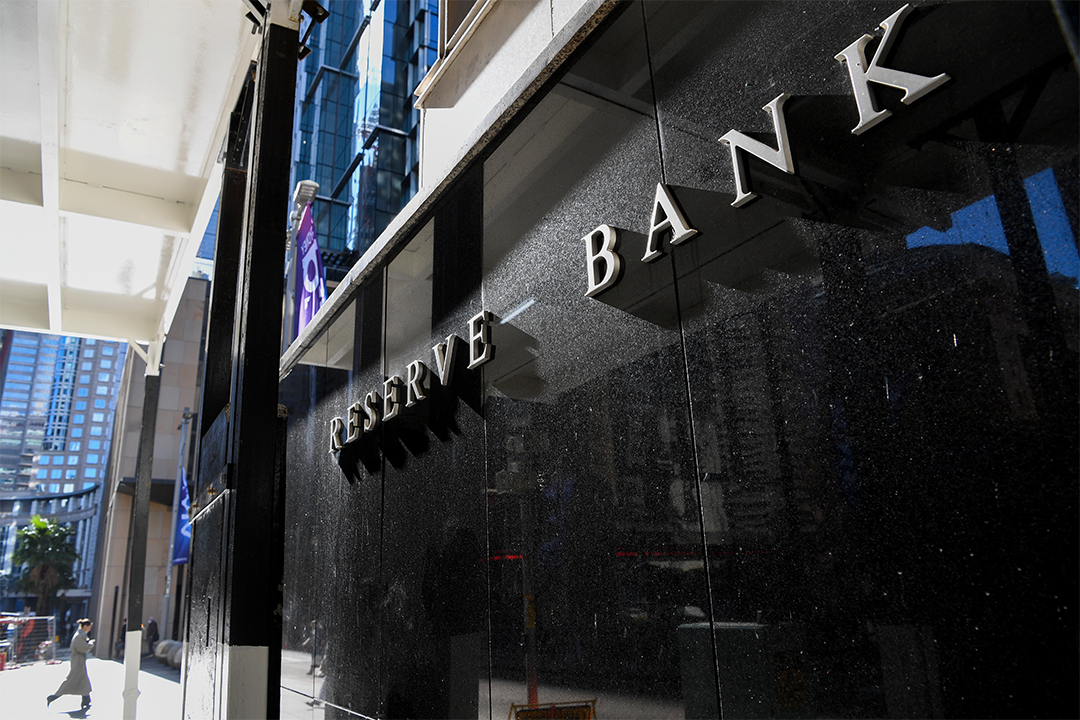
It also comes as the RBA boss, Michelle Bullock, has penned a letter to a parliamentary committee, and it basically does say that government spending needs to be cut if inflation is to fall, and then there’s less pressure for them to raise interest rates.
The cash rate is now at a 15-year high of 4.6%, and the Treasurer has blamed our high inflation and therefore interest rates on the Middle East and Ukraine wars, which have pushed up petrol prices and other business costs. He also points out the big artificial intelligence spending on things like data centres has also put pressure on wages and costs and things like that.
But he doesn’t really see the role of government spending in pushing up inflation, despite the fact that most economists are now pointing this to be a major factor. See, the other things can cause inflation, but remember, inflation can be in the 2% to 3% band, but we don’t want it to be an over 3%, and so I think the fair argument is: if government spending was not contributing to inflation, we may well be in the 2% to 3% band.
And then the Deputy Governor, Andrew Hauser, who spoke this week, would not have to have implied that things are not getting better, aren’t improving enough to rule out a rate rise before the end of the year. That’s what’s come out of this.
The acid test question
A Coalition spokesperson by the name of Simon Kennedy has asked the Reserve Bank Governor and the Assistant Governor responsible for economics, Sarah Hunter, who I used to interview on my TV show on the Sky Business Channel when she was chief economist at Oxford Economics. And he basically put the acid test question onto them and said: if the government cuts government spending, would you expect inflation to fall? And they kind of dodged it.
I understand Jim Chalmers is their boss. It’s hard to be too objective about the flaws and the failings of your boss. But respected economists like Warren Hogan, who’s the chief economic advisor to Judo Bank, former academic economist and chief economist ANZ, he thinks that both Sarah and Michelle went soft on Jim. And this is a critically important issue.
It would be great if Jim Chalmers today actually said, ‘We’re cutting government spending’. He’s actually going to talk about the fact that data spending, artificial intelligence spending, could be rising by $50 billion, which keeps the pressure on. And that’s the way government should be stepping up and acting responsibly.
But unfortunately, government spending has really helped these guys win elections. The big stand-up one, of course, was offering a 20% discount on HECS, which 3 million students clearly would have thought was a great reason to vote for the Labor government at the last election.
So, this is a situation where we really do need the government to cut spending. It’d be great if a Middle East peace situation broke out. That’d be great for oil prices. That would bring inflation down. It would put less pressure on interest rates. In fact, interest rates I think would fall if oil prices started to fall.
But remember, do not discount the role of the government’s excessive spending. Anyone with economic training agrees, government spending has been a big problem. When you look at what was projected in the 2024 budget, that spending projection has been doubled from what Jim Chalmers said of the budget to what actually happened. It was double.
And that has been a powerful force for inflation and a bigger reason why interest rates in this country have kept rising.

Sadly, slowly but surely, Australia has become a welfare dependent country, with people now enjoying all sorts of government handouts in various forms. It’s grown like topsy, is uncontrolled, and consumes ever increasing amounts of the tax take, which is why the wasteful government comes looking for more. Once you embed this way of life into people’s expectations, backing out becomes political suicide, which is why will only ever see marginal tinkering.
I feel like setting up a big sign at Sydney Airport – “Welcome to Australia, the land of wasted opportunities and wasteful governments”.
Previous commentary spot on. It is indeed a very sad state of affairs for Australia.
As you know Pete, I have continually focussed on Govt spending many times in your papers. On rare occasions, some of your members have even rebuffed my comments. However Warren Hogan has been correct from the outset. Inflation is entrenched. Govt spending far exceeds past government levels of spending as compared with the GDP by some 2.5 – 3.0%. Further, our welfare as compared with the nation’s GDP is huge (38%). Britain is a mere 11.5% of their GDP.
There are other bigger issues at stake. Labor don’t like rising unemployment. So they have employed many workers for a much large government bureaucracy. If we start cutting back spending, unemployment will rise because this country has closed a lot of industry eg auto manufacturing, oil and gas drilling, and the government have not attempted to start any new industry. I firmly believe they lack the know how to undertake these strategies.
Furthermore, Labor employed Bullock and also the GG. There was minimal independence in the decision making process. I agree, they are afraid to say too much.
The middle east war will continue on until the west put boots on the ground to resolve the conflict once and for all. Oil prices will continue to be high and will hurt businesses in Australia. Obviously food prices will continue to rise as we are big spenders on diesel as we the people voted for governments to close oil exploration and drilling in the country. We have no alternative supplies to rely on.
Renewables costs have doubled due to higher prices – no doubt due to Labor’s poor management of inflation. Labor will not tell us how much this will all cost us. There has been a flight of capital leaving the country because of the restrictions we the people voted for e.g. environmental laws and indigenous issues (e.g. Plibersek’s recent decision re the gold mine closure which necessitated a high court decision to over turn it).