
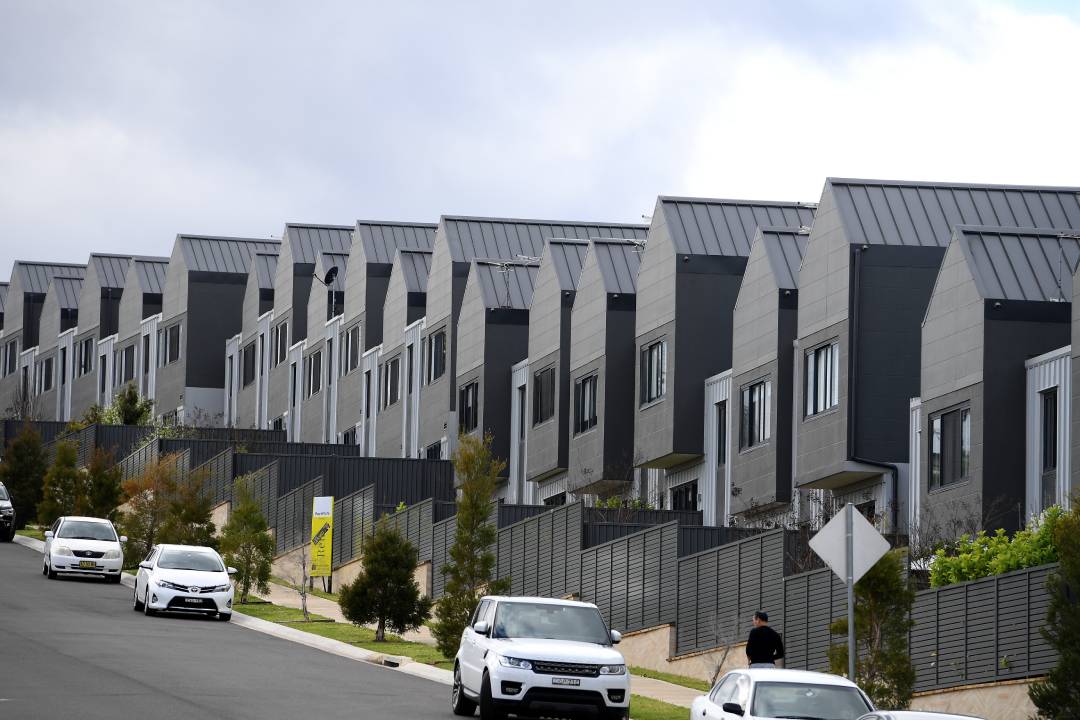
Australians with home loans and living in the outer suburbs of Sydney and Melbourne are hip pocket stressed with those behind on paying their monthly loan repayments running at more than triple the national average. And it’s those who bought at the top of the market and/or were young buyers who are feeling the pain the most, after four hikes in the cash rate this year from the Reserve Bank.
It’s no wonder company analysts working for investment banks and stockbroker operations are tipping bank share prices will slide. Right now, the consensus view is that the CBA’s share price will fall by 16.9% and the table below shows that no expert company watcher is positive on what is regarded as our best bank.
CBA

The bank’s share price is down 16.56% over the past six months, which is about as long as it has been since the May Budget rattled the housing market!
Meanwhile, the views on the other big banks look like this: ANZ down 5.3%; Westpac down 0.8% and NAB up 2.3% but it has lost 13.77% over the past six months, and its rise has been helped by the UBS view that it could rise by 26.3%! This looks wildly optimistic considering NAB is the biggest lender to business and business is struggling under the weight of the RBA’s rate rises and the low confidence levels not seen since the Covid era.
The AFR tells us that the biggest trouble spots in Sydney are Constitution Hill and the Baulkham Hills area, where those in a loan arrears predicament in the former suburb are running at 2.4% of mortgages, and where prices are down 10.5% for the year to $1.3 million.
For the latter, home prices have fallen 13% to $1.7 million.
In Melbourne, Pakenham is most stressed by rate hikes, which has seen the RBA cash rate go to a 15-year high of 4.6% in September. Here 2.99% of borrowers are behind on repayments, according to figures compiled by S&P Global, which is over three times the national average of 0.85%.
Not surprisingly, Pakenham has the largest proportion of stale listings, or homes on the market for more than six months.
The squeeze play of rate hikes and Budget tax changes for property investors creating a slump in house prices has led to a rise in negative equity, where the debt on the property is greater than the current value of the home.
The RBA is tipping negative equity to rise to 5% of mortgages, which the AFR’s Lucy Slade reports is a five-fold increase.
The only good news from the bad vibes coming out of the housing sector is that money markets are pricing in a 25% chance of a rate hike in November, though it’s nearly a 100% chance of one by May next year.
For the record, the money market rate guessers come out of the bond market and are not always right. If inflation doesn’t fall and unemployment fails to rise sufficiently, then the RBA will continue to raise rates, which would escalate the chances of a recession.
In former times, courageous and responsible governments and fearless treasurers would actually put on a mini-budget to change the policy settings to ensure the best outcomes for the economy would result. A mini budget where spending was cut could keep the RBA on the sidelines, saving borrowers from further rate rises.
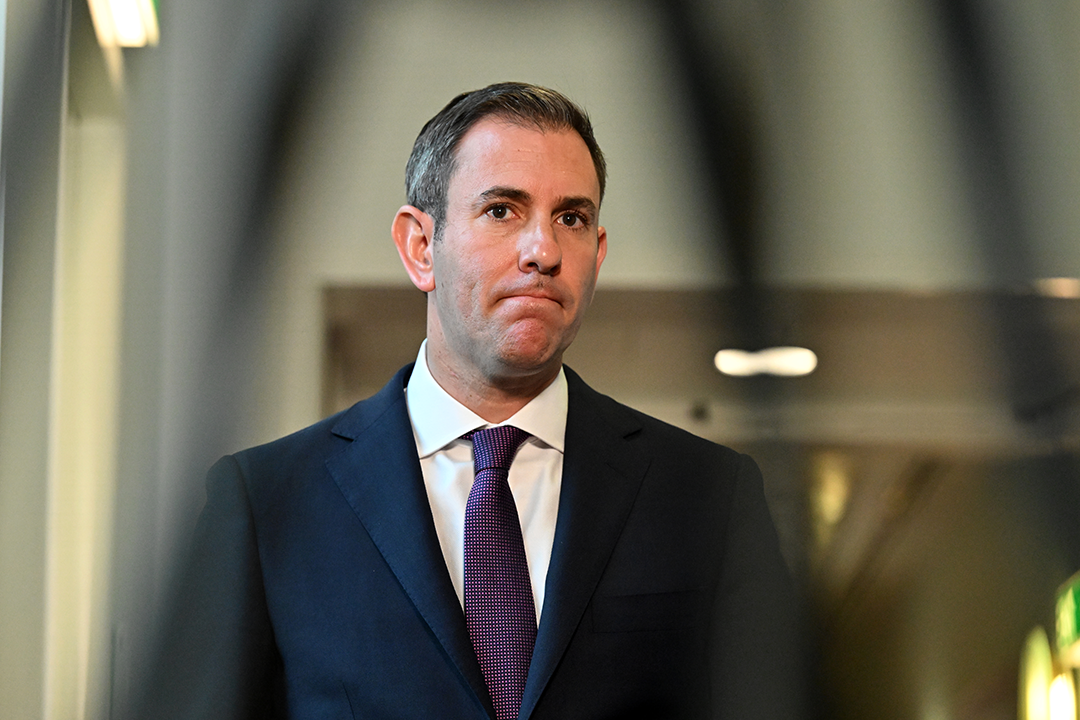
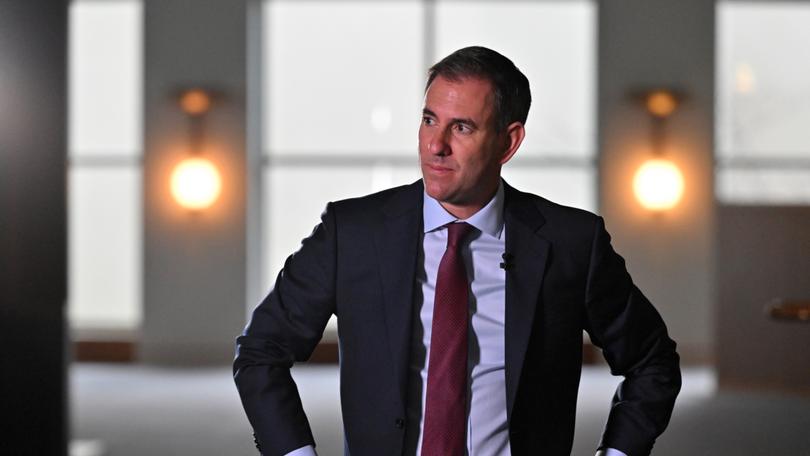
However, there’s no talk about a mini-budget from Canberra and I don’t expect to hear anything about one from the current Treasurer, Jim Chalmers.
Interestingly, the Hawke-Keating governments had three mini-budgets between 1983 and 1992.
One of the most respected economists of all time, John Maynard Keynes, reportedly once answered a media critic, who pointed out that he had changed his mind on an important economic subject, with the following: “When the facts change, I change my mind. What do you do, sir?”
The facts are changing but only the RBA is changing its mind. Over to you, Treasurer Jim.
Cut your spending, especially you Boomers.
They already did, the last time interest rates went ballistic in double digit inflationary times, so that they could spend today in their old age the spending they postponed to put a lid on inflation and keep their homes back then.
No. Boomers spending help the economy. It’s the Government that wastes the money it collects!
And as for CBA shares, they have commanded an unjustifiable premium for far too long, so a correction in the order of that predicted in the table will let it off lightly!
Grim reading, not that Albo will be reading this. He’s in Fiji at ‘pre-COP31’ with his snout in the trough sinking free grog with all the other Labor grifters.
Its not the private sector spending. Ratings Agency came out today and stated the public sector must reduce its spending as it is opposing what the RBA is trying to do. Ultimately, SAussie mortgage bound familities are suffering.
Now we see a rift between Albanese and Chalmers developing and Albo throwing Grim Jim under the bus.
I dare say we will see some changes before the next election – but will it be too late? Will Albanese take an early retirement – some say by as early as December 2026 to give the government a chance to rebuild their image?
From my read of it all, Australians are over this lying government.