The Reserve Bank raised the cash rate by 25 basis points to 4.60% on 29 September. The minutes of that meeting, released yeseterday, show the board had flagged three upside risks to inflation in August: a re-escalation of the Middle East conflict, “the inflationary impetus from the global AI boom” and greater domestic capacity pressures than assumed.
The Middle East risk had “crystallised”. In explaining the decision, members pointed to “growing indications of intensifying global cost pressures, particularly those associated with the extraordinary demand for AI”.
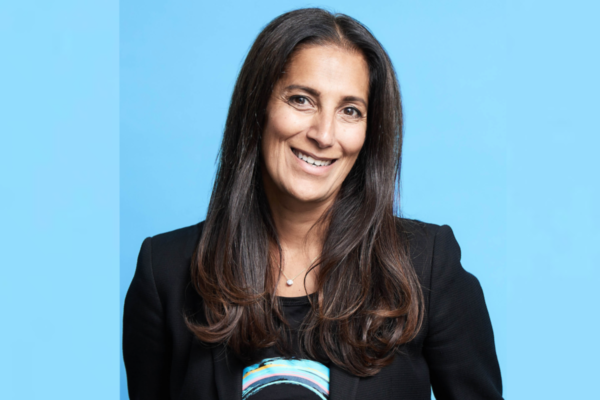
On whether the AI risk had fully arrived, Governor Michele Bullock told her press conference: “I wouldn’t say it’s definitely materialised yet, but I’d say the risks are building there.”
How AI is pushing up prices
The minutes say that “with global demand growing rapidly and supply constrained, prices for some key components in the AI supply chain had risen sharply in preceding months”. Those rises had increasingly been flowing into producer and consumer prices in some advanced economies.
Australia is starting to see it too. Members noted “some signs of technology-related price pressures emerging in Australia, including sharp increases in software and other IT costs reported by liaison contacts”.
“The global AI investment boom has driven significant price rises for some inputs within the AI supply chain, including software costs and some commodity prices,” Bullock said. “These costs are now beginning to flow through to the prices faced by businesses and consumers.”
Data centres and demand at home
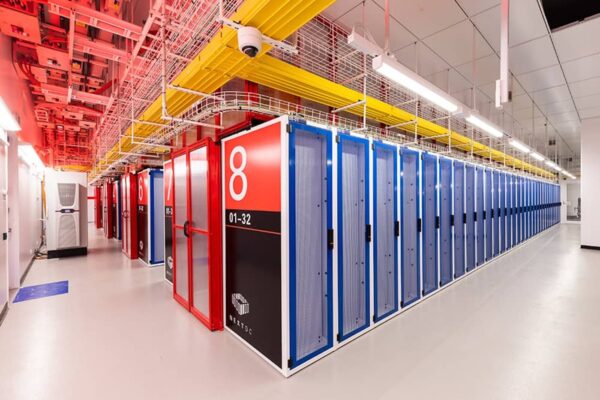
Private business investment rose by more than 10% over the year to the June quarter, according to the minutes, with “significant contributions related to the construction of data centres and renewable energy facilities”. Business credit growth was “very strong”, and “borrowing to fund data centre construction had been particularly strong to date”.
Bullock said a lot of the investment in data centres is imported, so it isn’t directly adding to demand in Australia. The building work is.
“Building data centres, the need for tradies, those sorts of things, and materials, that is actually impacting, and construction is an area we know is under pressure,” she said.
We looked at what could stop the data centre boom here.
She also linked AI to why rates are unlikely to return to their pre-COVID lows. “Particularly with this AI-driven investment, the demand on the savings pool is really strong at the moment, and that’s going to continue, and that means that puts upward pressure on interest rates,” she said.
The warning on AI shares and debt
In its six-monthly look at financial stability, the board named AI as a possible trigger for a sell-off. “One possible trigger for an abrupt repricing in global financial markets could be a shift in sentiment towards the AI boom,” the minutes say.
AI-related investment “was leading to a large accumulation of debt”, and “some debt-like commitments were also becoming increasingly opaque”. Leverage remained “quite subdued” given strong earnings growth.
But members noted that “market pricing of some AI-related companies embodied very favourable assumptions about long-run earnings growth that could be difficult to sustain even if the technology were ultimately successful”.
If asset prices fell sharply, the minutes say the superannuation industry is “generally well placed to withstand a period of heightened demand for cash”, but funds should keep strengthening their liquidity risk management.
Where’s the productivity payoff?
Bullock said AI could eventually lift the economy’s supply capacity, but couldn’t say when. “There possibly is productivity gains. When? I don’t know,” she said. “You’ve got a big demand impulse with the prospect of productivity improvements and increasing the supply.”
The board’s next decision is due on 3 November, Melbourne Cup Day.
This article does not take into account the investment objectives, financial situation or particular needs of any individual. It does not constitute formal advice. Consider the appropriateness of the information in regards to your circumstances. Before acting on anything we discuss, we strongly recommend you seek the appropriate professional advice.