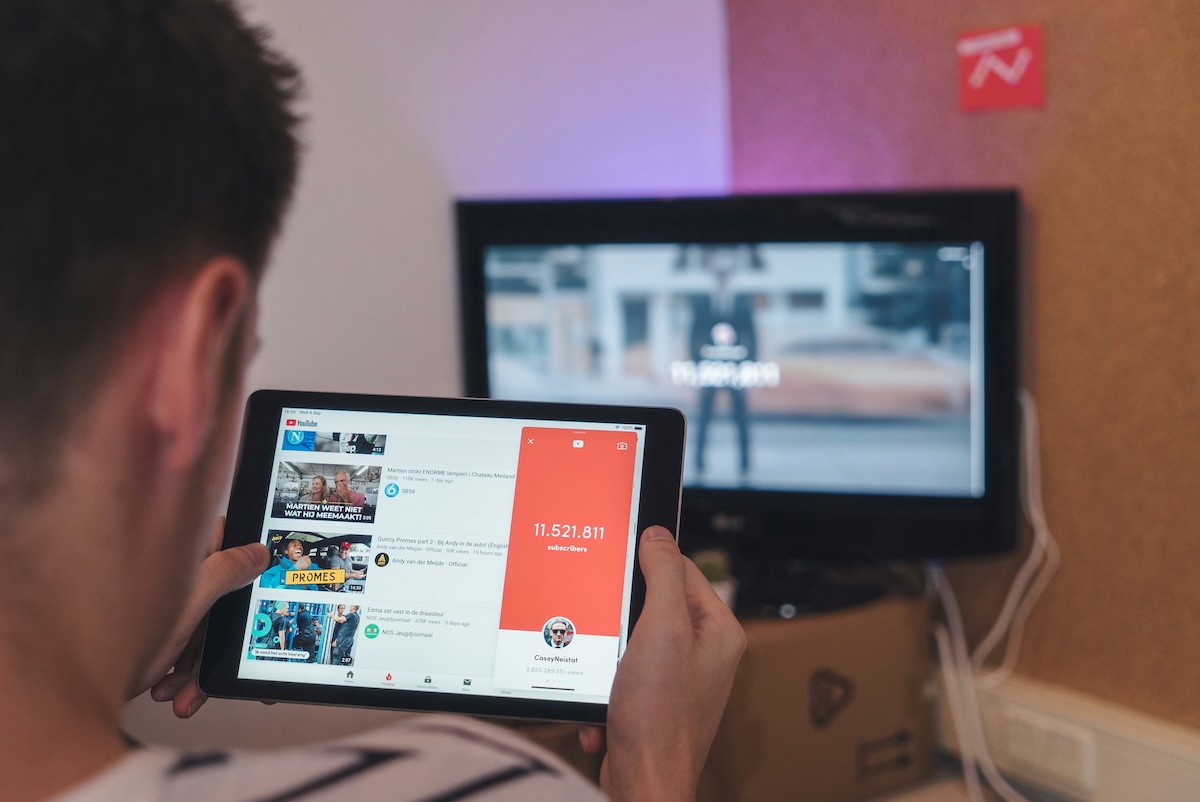
The Albanese government has decided to include YouTube accounts in its ban on access to social media for those under the age of 16.
Michelle Grattan, University of Canberra
The decision will be controversial with many social media users, especially young people, and face resistance from the company. YouTube, owned by Google, has threatened to sue if it were included in the ban.
The government said in a statement that it was “Informed by advice from the eSafety Commissioner”.
The eSafety Commissioner, Julie Inman Grant, said in her advice to the Minister for Communications Anika Wells last month, “YouTube currently employs persuasive design features and functionality that may be associated with harms to health, including those which may contribute to unwanted or excessive use”.
Apart from YouTube, platforms that will be age restricted are Facebook, Instagram, Snapchat, TikTok, and X, among others.
Platforms will face fines up to $49.5 million if they are found to fail to take responsible steps to prevent underage account holders using them.
Young people would still be able to access YouTube through a search, but would be unable to set up an account.
Argument has raged about whether YouTube should be included in the ban, with those opposed to capturing it arguing it has educational value to younger people.
“YouTube is a video-sharing platform, not a social media service, that offers benefit and value to younger Australians,” a YouTube spokesperson said in its defence.
A range of online gaming, messaging apps, health and education services are being exempted from the ban. “These types of online services have been excluded from the new minimum age obligations because they pose fewer social media harms to under 16s, or are regulated under different laws,” the government said in a statement.
The ban comes into effect on December 10 this year. Age-restricted social media accounts are defined as services that allow users to interact and post material.
Prime Minister Anthony Albanese said:
Our government is making it clear – we stand on the side of families. Social media has a social responsibility and there is no doubt that Australian kids are being negatively impacted by online platforms so I’m calling time on it.
Social media is doing social harm to our children, and I want Australian parents to know that we have their backs.
Wells said there was no perfect solution to keep people safer online, “but the social media minimum age will make a significantly positive difference to their wellbeing. The rules are not a set and forget, they are a set and support.”
Michelle Grattan, Professorial Fellow, University of Canberra
This article is republished from The Conversation under a Creative Commons license. Read the original article.