The Reserve Bank has raised rates four times this year, and the minutes of its September meeting include its six-monthly check on how borrowers are holding up. Here’s what it found, and why it says low-income renters are more likely to be under pressure than borrowers.
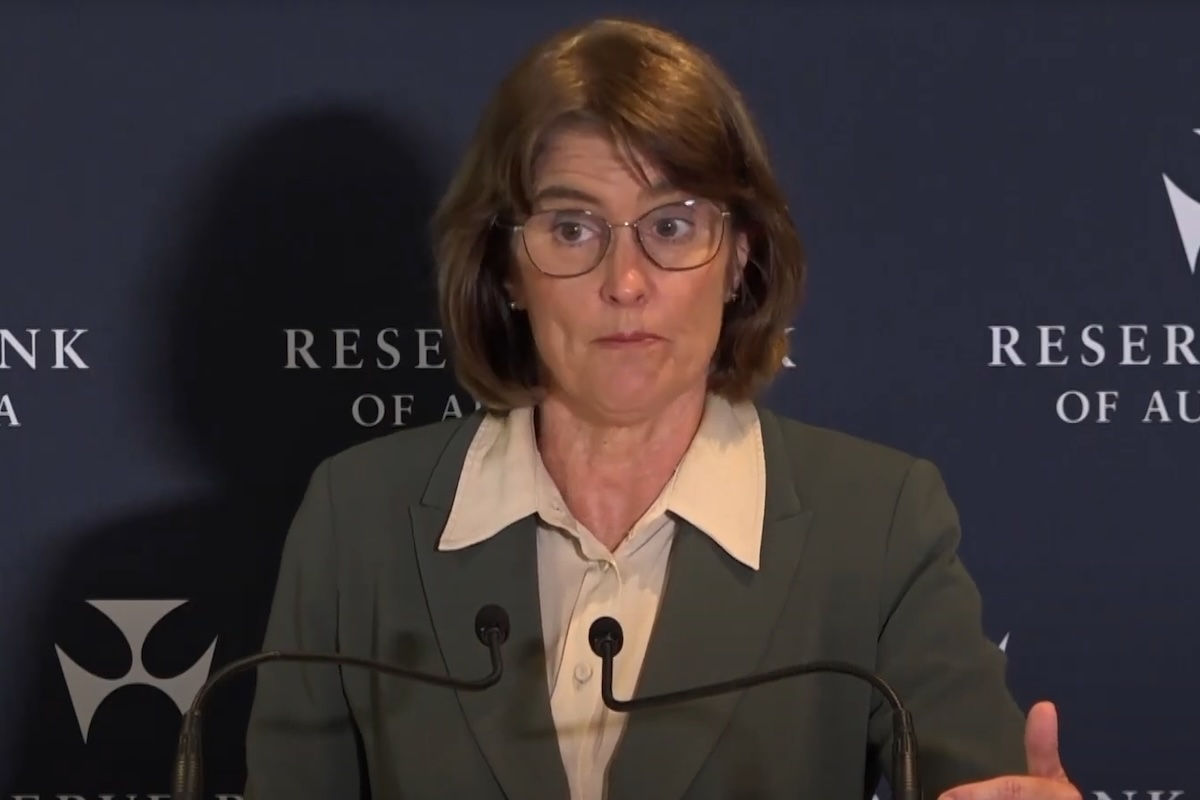
The Reserve Bank raised the cash rate by 25 basis points to 4.60% on 29 September. Governor Michele Bullock said at her press conference the board had raised rates “three times earlier in the year”, and “this is one more”.
The minutes of that meeting, released yesterday, include the board’s semi-annual look at financial stability. It found “the balance sheets of household borrowers generally remained sound”.
Repayments are back near their peak
Scheduled mortgage payments have risen to about 10% of household disposable income, “around their 2024 peak”, according to the minutes. Extra payments into offset and redraw accounts were “a little below their longer run average”.
Bullock said that share will “go up a bit further” after the latest rise.
Few borrowers are running short
The RBA estimates fewer than 2% of owner-occupier borrowers are facing a cash flow shortfall, “well below its peak in 2023–2024”. The minutes say that share was predicted to stay low “even in a scenario involving plausible further increases in inflation, the cash rate target and unemployment”.
Housing loan arrears were low, and loan impairments were around historical lows.
The savings buffers
Mortgage borrowers still hold “substantial savings buffers”, according to the minutes:
- the median borrower in the lowest income fifth has savings equal to just under one year of scheduled repayments
- the median borrower in the highest income fifth has almost two years
- the share of borrowers drawing on those buffers is around its historical average
What happens if house prices keep falling
House prices have fallen by more than the RBA expected, and new housing loan commitments have fallen sharply, led by lending to investors.
Even so, the minutes say “very few borrowers were in negative equity”, owing more than their home is worth, and that RBA staff analysis showed “this would likely remain the case even in a scenario where housing prices fell by 20 per cent”.
Why borrowers have held up
The minutes point to two reasons: real household disposable income per person “had grown quite strongly since early 2024”, and “a prolonged period of prudent lending standards”.
Bullock also pointed to offset accounts. Household debt to disposable income rose sharply until the mid-2000s and then levelled off, she said, “and if you put offset accounts in there, actually, it’s declined a bit”.
Renters under more pressure
The averages don’t cover everyone. The minutes acknowledge that “some borrowers experiencing cost-of-living pressures were having to curtail discretionary consumption”.
Households with mortgages were, on average, financially stronger than others, according to the minutes. “Low-income households who rent were more likely to be experiencing financial pressure, given they are most exposed to the adverse effects of inflation,” the minutes say.
“At an individual level, yes, there are households that are hurting. Absolutely,” Bullock said.
Overall, though, she said the RBA’s measures of mortgage stress were not showing strain across households: “at an aggregate level, it’s not suggesting that there’s any massive stress in the household sector as a whole.”
The board’s next decision is due on 3 November, Melbourne Cup Day.
This article does not take into account the investment objectives, financial situation or particular needs of any individual. It does not constitute formal advice. Consider the appropriateness of the information in regards to your circumstances. Before acting on anything we discuss, we strongly recommend you seek the appropriate professional advice.