A single construction company’s collapse has left a $3.3 billion hole and thousands of unfinished homes in its wake. Could Bathla’s failure be the first crack that drags the whole economy down?
The failure of a major player in the housing sector such as Bathla, which leaves behind debts of $3.3 billion, will not only leave Labor’s ambitious home-building plan in tatters, but it also poses the question of whether this is the tip of an iceberg that ends in recession.
While this isn’t my base case view, it needs to be considered by the Reserve Bank as it processes the calls from economists for one or even two interest rate rises to kill inflation. The 1990 recession was the killer of inflation and high interest rates, but that’s a fate the RBA has to avoid.
In case you think beating inflation is the only goal of our central bank, well, think again. Not only does it have to pursue price stability or real inflation in the 2-3% band, but also full employment, which a recession would absolutely KO.
That’s why the RBA has to be careful about succumbing to calls for higher rates.
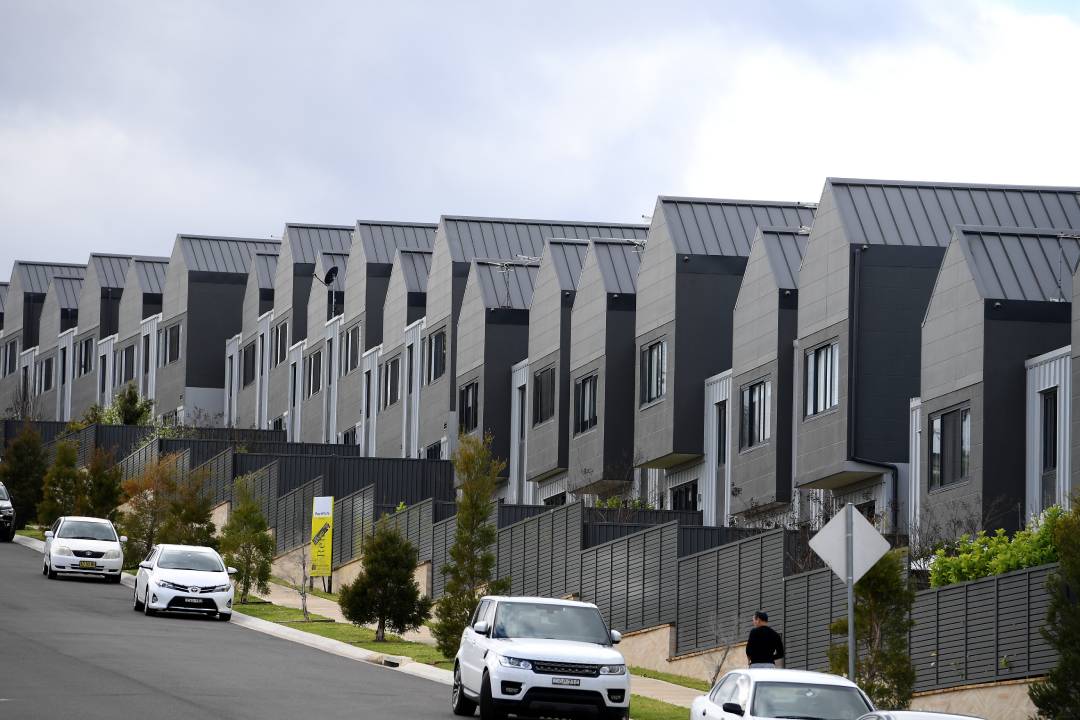
The AFR‘s Michael Bleby and Nick Lenaghan looked at Bathla’s threat to Labor’s plan for 50,000 new homes in NSW alone this financial year and pointed out that 2,500 apartments in the process of being built have been stopped. And then there are 14,000 properties in the pipeline, which are very unlikely to be completed this financial year and might even disappear along with Bathla itself.
By the way, while 50,000 new homes was the new plan, the original target was for 75,000 across the 12 months. That number now has become pie in the sky.
And no one can expect an insolvency expert such as Teneo to rush to get a new company to take up Bathla’s work, with the AFR suggesting the business is set to be wound up.
And with neither the NSW nor the Federal Government signing up to rescue the situation, Teneo was asking existing big lenders including PAG, La Trobe Financial, CVS Lane and Centuria Capital to provide emergency support.
These organisations would be under pressure not to throw good money after bad, but the whole affair pressures these important lenders to the property sector.
The AFR talked to Terry Rawnsley, an urban economist at KPMG, who said Sydney had about 55,000 homes under construction, so if Bathla’s 2,500 builds don’t happen for some time that’s “a big ripple” for the sector.
Rawnsley is implying that it raises doubts among other builders, lenders, sub-contractors and suppliers to the players in this important sector for economic growth. And don’t think it won’t unnerve the equivalent players in other states, which undermines confidence for not only the building sector but also the buyers of these products.
It’s not only tradies and suppliers who are worried about being paid; those buyers who have put deposits down on unfinished builds will also be unnerved about their outlays in a sector in trouble.
Meanwhile, what new buyer (that the Albanese Government was trying to help with its anti-property investor Budget) will be willing to take the risk on any new home, which isn’t finished and ready to move into?
As I’ve argued, this could be the tip of an iceberg that crashes into both business and consumer confidence, undermining both investment and consumption, which then turns economic growth negative, which is the start of a possible recession.
Right now, I can’t see many positives apart from economic data that many don’t trust or could be telling a story that was more of the past, rather than what’s happening now.
Even Wednesday’s GDP or economic growth figures will be for the three months April, May and June but it’s now nearly September. Those numbers will only have a little bit of the negativity from the Budget. Now we’re talking about building collapses, which is why the RBA has to be careful with what it does with interest rates.
If they go hard to KO inflation, we might end up with the recession we didn’t have to have.