When Melbourne pulled out of the Commonwealth Games, Glasgow didn’t blink. It just got on with it and showed the world exactly what it’s made of.
There is a moment, somewhere between the third magnificent sandstone facade and the sight of George Square (where the scaffolding one day must come down!) when it hits you: Glasgow is extraordinary. Not in the way Edinburgh is, with its castle on a rock and its charm. Glasgow’s extraordinariness is surprising and interesting.
The tobacco lords got rich here, then the cotton merchants, then the shipbuilders and they all left their mark in stone. A scrubbing brush and a few hundred trees lining the wide, car-free streets and Glasgow could rival any city in Europe for civic beauty.
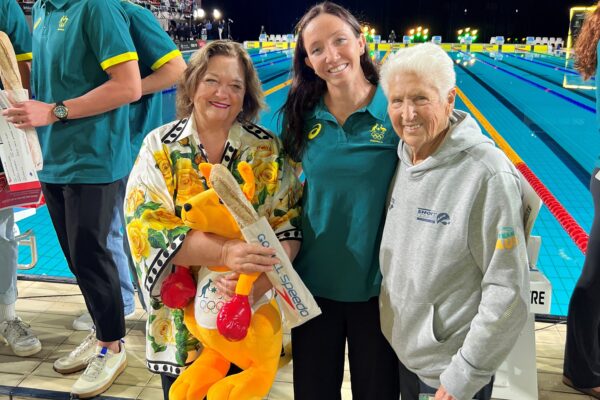
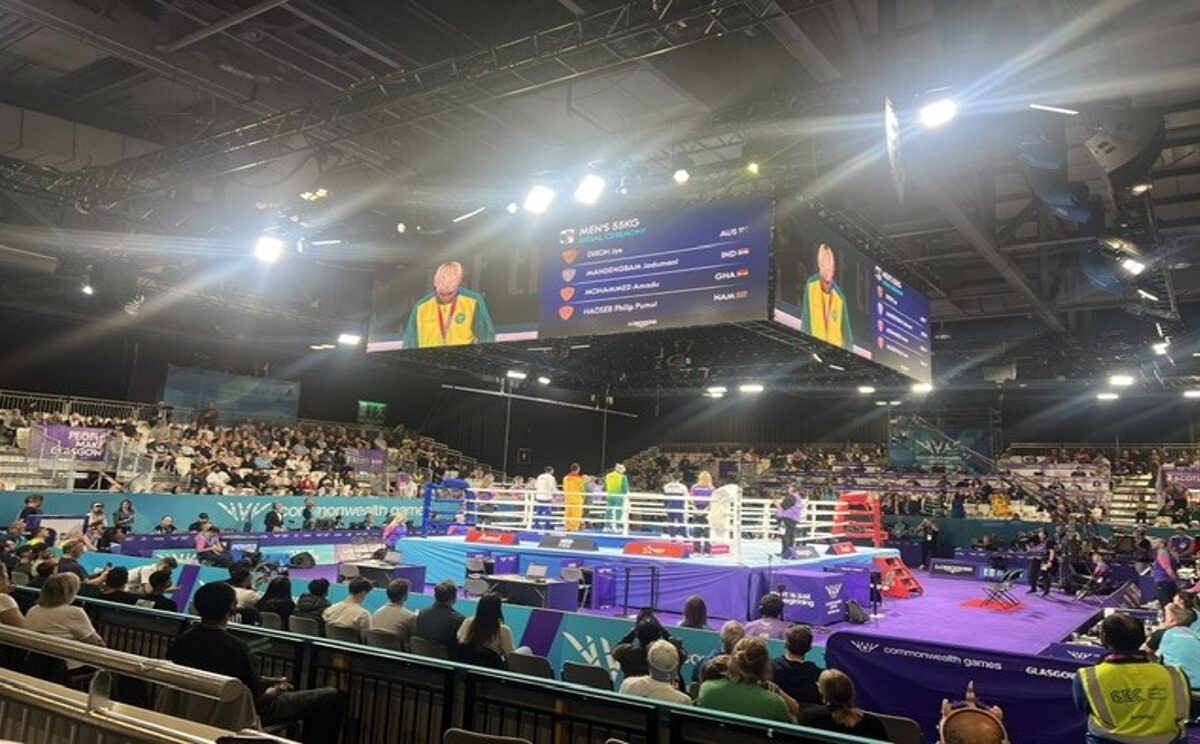
When Daniel Andrews unceremoniously cancelled Melbourne’s hosting of the Commonwealth Games at the last moment, Glasgow stepped in without flinching. The city did a magnificent job as host of the 2026 Longines HydroConquest Commonwealth Games. The venues were polished, the transport efficient and the locals characteristically warm. The Aussies performed brilliantly. The athletics events felt almost like a home crowd, the stands roaring as our athletes delivered medal after medal, not to mention Scotland’s own Josh Kerr taking the mile title – what a run!
The atmosphere inside the venues was electric. At the boxing, the screen above the ring lit up with names from across the Commonwealth, while the crowd cheered everyone equally, most of the time!
Inside the Commonwealth Games boxing arena, Glasgow 2026 — Australia’s Dion Lee on the screen.
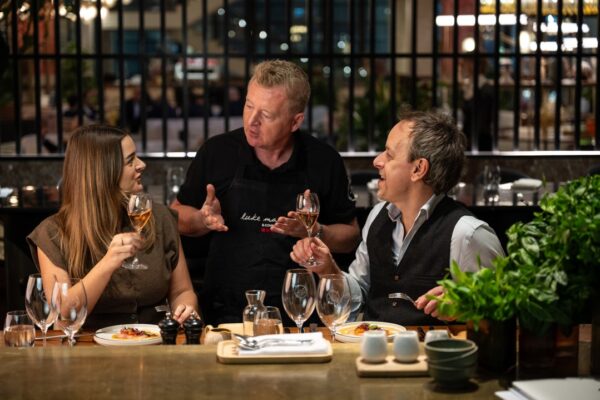
Glasgow’s restaurant scene has grown up. The Ivy arrived in the city with its dark wood, flattering lighting and glamorous crowd and fits Glasgow perfectly. It’s a city that goes out and means it.
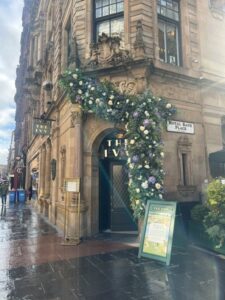
The Ivy, Glasgow — dressed for the occasion at Royal Bank Place.
The menu is excellent, the martinis cold and the room has the kind of buzz that makes you want to stay for one more round.
The real Glasgow food story is older, stranger and kind of wonderful. At any good Scottish market or deli you will find haggis: spiced offal in a casing, served with neeps (turnips) and tatties (mashed potatoes). And then there’s Black pudding. And if you’re very lucky, Blue Murder.
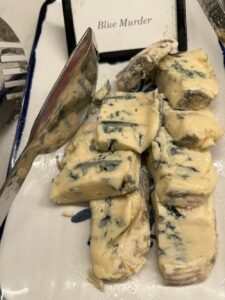
Blue Murder — Scotland’s most aggressively wonderful blue cheese.
Blue Murder is a Scottish blue cheese so pungent, so aggressively flavoured that you’ll find yourself eating it long after you thought you were finished.
Leave Glasgow heading south-west and within an hour you’re in Perthshire, and Gleneagles. The approach alone is worth the trip: rolling moorland, stands of Scots pine, hills that turn purple with heather in late summer.
Gleneagles opened in 1924 and grand in the way that only the 1920s could be grand, the hotel sits in 850 acres of grounds with three championship golf courses, a spa, a shooting school, a falconry school and a level of service that makes you forget anywhere else exists. You don’t need to play golf to justify Gleneagles. Afternoon tea in the Century Bar, a walk across the grounds as the light goes golden, dinner at Andrew Fairlie (Scotland’s only two Michelin star restaurant) require no further justification. And if you’re lucky, you’ll hear the bagpipes.
The Clyde, the river that built the ships that launched a thousand empires. The Burrell Collection, one of the greatest private art collections ever assembled, magnificently re-housed in Pollok Country Park. The Mackintosh School of Art, still breathing despite two catastrophic fires. The Barras market, where Glasgow’s working-class wit is on display. Kelvingrove Art Gallery and Museum, free and extraordinary. The music scene that gave the world Simple Minds, Chvrches, Travis and Arab Strap.
Glasgow doesn’t need to prove itself. It just needs you to show up — and perhaps a little pressure on government to show this city off the way it deserves, the way it did in its glory days. And if you want to understand a little more about Glasgow, look up The Nest on BBC iPlayer, one of several excellent Scottish series worth your time.