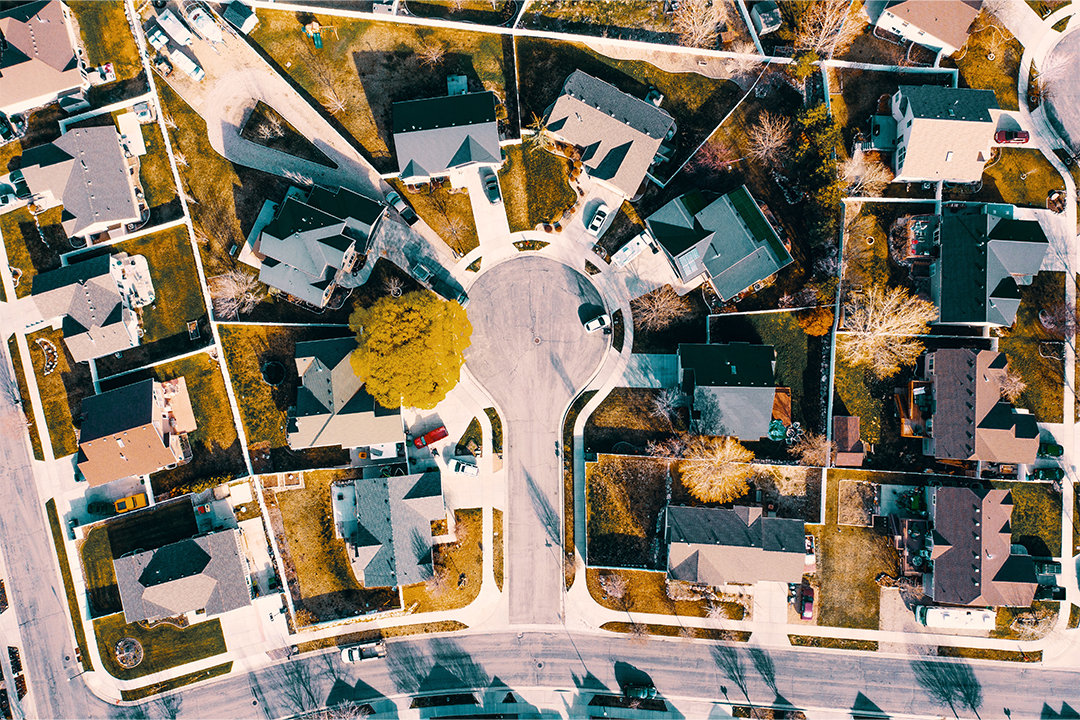
Home loan demand is in freefall, and nowhere is the pain sharper than Sydney, where a new KPMG report reveals ownership rates have crashed to levels not seen since the 1950s.
The demand for home loans nationally has collapsed, falling by 14% in June, and despite the intentions of the Federal Budget, first home buyer demand is falling the fastest with high interest rates and lack of affordability, denting these would-be property owners’ enthusiasm to borrow.
A KPMG study has looked at the issues and has found:
- Sydney’s home ownership rates have fallen to their lowest level since the 1950s
- The lack of affordable housing has priced first home buyers out of the market.
- Young families are leaving the city.
- The supply of housing needs to increase ASAP.
KPMG Urban Economist Terry Rawnsley told the AFR the following in explaining Sydney’s issues: “Sydney has gone backwards on home ownership by more than half a century, which shows just how far affordability has moved against households trying to buy where they live.
“During that post-war boom, all those suburbs across Sydney were being built. First homebuyers were being courted to get into the housing market because people didn’t want to have the problems we had during the Great Depression.”
A succession of NSW governments have neglected the supply of housing issue and now Sydney and New South Wales home ownership rates trail other states.
Meanwhile, the share of homeowners has risen modestly in Western Australia and Brisbane over the past four years, while holding steady in Melbourne and across Victoria.
KPMG says the problem worsened after 2011, which also coincided with federal governments pumping up immigration, while all governments ignored the housing supply problem.
The AFR summed it up this way: “Sydney’s median combined house and unit dwelling value is $1.26 million but the average dual-income couple with no kids living in the city can only affordably borrow a maximum of $1.1 million if they have a 20 per cent deposit saved up.
“By comparison, Melbourne’s median has fallen to $800,000, lower than Brisbane at $1.11 million, Perth at $1.04 million, Adelaide at $940,000 and Canberra at $880,000.”
Experts say NIMBYism (“Not In My Back Yard”) and local council zoning restrictions have made the problem worse on top of the huge taxes and charges on builders and developers. And when you add in record high immigration levels, which adds to demand for housing and the fact that potential homeowners lose 12% to super, it is no surprise that there’s a housing crisis.
This is a government ‘cock up’ at all levels and until a real leader emerges, who sees this as a national problem that needs to be fixed nothing will happen, except for falling house prices if the demand for loans keeps falling.

The economic conditions don’t encourage building more – and regulations and zoning are well down the list of constraints, as evidenced by the large pool of approved developments not being built.
Also not sure how you can be so obtuse. One Nation’s net negative immigration will fix this in short time – as evidenced what immigration cuts has done for housing in NZ and Canada.
The housing “crisis” has been caused by decades of government neglect, incompetence and politicians selfish vested interests, such that housing has become ABSURDLY unaffordable.
A decent price fall is long overdue to bring housing back towards what should be it’s primary role : to provide homes for people to live in, rather than just financial tools for investors. I say that even though I own a rental property for over 20 years. I’m much rather my kids and grandkids can one day afford a home than care about my own further capital growth
What a shame housing going back to the 50s when unfortunately, a family with dad on an average wage and the wife not working was able to buy a house in Sydney.
Much better now both working with no hope of getting off the rent treadmill.
I refer to CC comment “I’m much rather my kids and grandkids can one day afford a home than care about my own further capital growth”
Unfortunately, CC has forgotten most business owners, rely on their house value so that they can operate their business on capital, based on an overdraft or a mortgage against their property.
In this case low housing values and poor house sales, do not entice banks to lend as much on housing due to declining valuations and poor sales.
Is it any wonder one of Australia’s main employers being small business, are failing due large overheads, high interest costs and our Labor government’s induced failing economy associated with high taxes.
Small business wouldn’t have to compete for finance against home lending with lower demand for housing. Business loans would be easier to get. Also their customers will have more money for discretionary spending – demand for their products and services will rise.
One aspect of the supply of housing in Sydney that no-one seems to want to address is the number of dwellings which are vacant at any time. The reasons may be manyfold, but my speculation is that we have a large number of units and houses owned by non residents and may be simply a way of parking their money in a stable country. My experience in the building inspection sector revealed so many empty units and houses throughout the Sydney region. My attempt to bring this to the attention of political operatives and via letters to the Editor of Sydney Morning Herald leaving me with the belief this is a “no-go” zone for investigation. Go to any part of Sydney with high rise apartments at night and observe how many units do not have lights on. Easy to check if vacant via enquiries of utility service providers such as Sydney Water or Energy providers and check if consumption is recorded on the owner’s accounts. If we applied a disincentive to these owners to maintain their empty dwellings we may free up thousands of dwellings and see them on the market for home-seekers.
And it is going to get much worse despite what AA and Chalmers say
Business CF is fast deteriorating. If unemployment starts rising massively, that will shake the Canberra tree when they see their tax revenues decline. Austerity measures will be required.
CC commentary always has a narrow view on such things. Agree with TF, it is a macro issue and we need business to survive for all our sakes
I submitted a comment earlier today on property vacancies that go under the radar but it is not shown on this site. Was it pulled?
About time. Such an inefficient misallocation of resources going into housing as an investment. No wonder we are falling behind in productivity. All this money over the last 3 decades that has been poured into unproductive investments (houses dont generate wealth except for the ones who own multiple houses). Perverse. Banks are to blame as well. At least Albo and co had the guts to nip this never ending upward trajectory of house prices in the bud by abolishing the CGT tax discount for existing house investments. Boo Hoo. cry me a river. No at least we can see bank lending divert to more productive investments that generate wealth for the country, not the 1%.