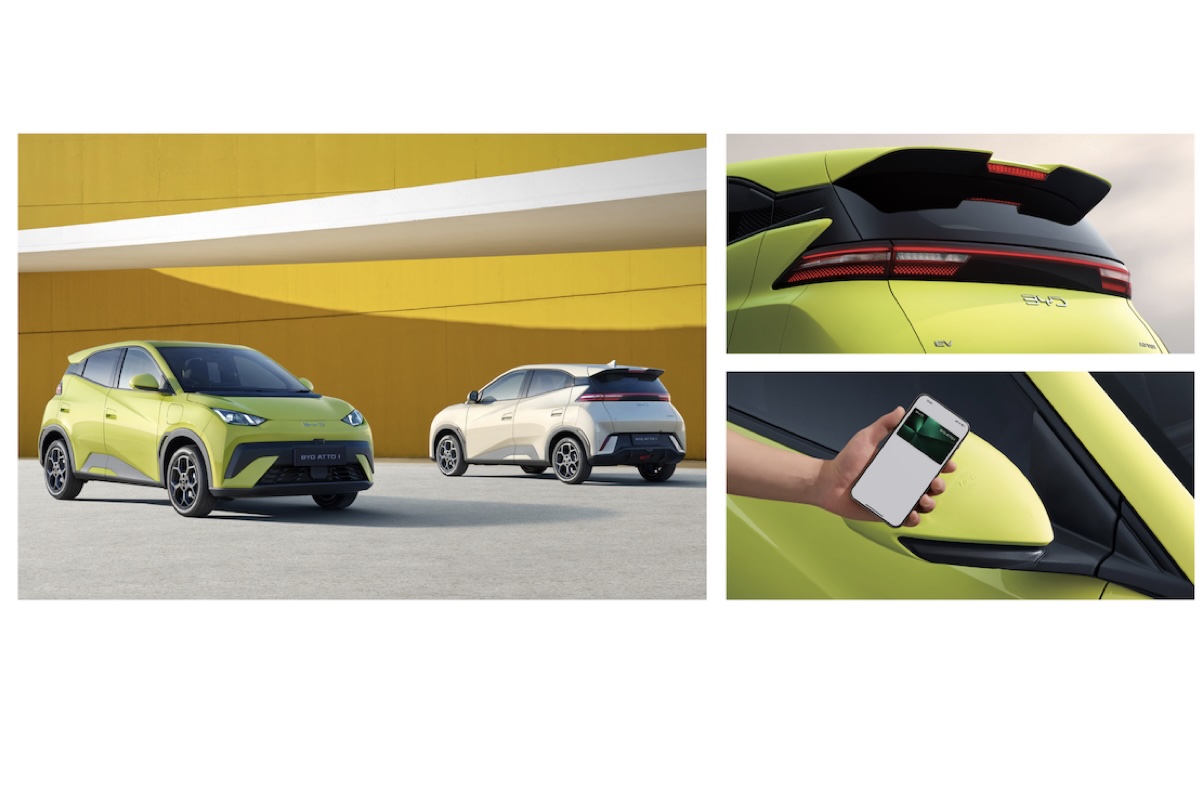
BYD Australia head office spent this week telling anyone who would listen that the Chinese EV giant has Toyota in its sights. The line, delivered to CarExpert and countless others, is that Australians themselves will decide whether BYD can topple the Japanese incumbent. It’s a bold pitch from a brand that only opened its first showroom here a couple of years ago.
If it feels like you can’t leave your driveway without seeing those three letters driving in front of you, the numbers bear you out.
While Toyota remains the clear market leader according to 2026 sales data, BYD has climbed into the top tier of brands with year-to-date volume in the high tens of thousands. To put that into perspective, however, while BYD may have hit the leaderboard with a vengeance, Toyota is still wearing the crown, with over 180,000 vehicles sold.
Still, it didn’t stop BYD from recording yet another month of double-digit sales growth.
BYD’s biggest constraint isn’t its challenger-brands status, however. It’s logistics. Both for importing cars and for owners to charge them.
BYD welcomed its own freighter into Melbourne ports earlier this week in a bid to satisfy skyrocketing demand for its EVs. But despite the fanfare of its arrival, Drive.com.au reports that the dedicated 5,000-vehicle car carrier isn’t set to make another trip down to Australia any time soon.
Then there’s the charging bottleneck that frustrates EV drivers, new and existing.
While Chargefox and Evie Networks have both expanded their fast-charging footprints over the past twelve months, the Electric Vehicle Council State of EVs report puts the national public charger count above 4,000 sites in 2026. It’s a big jump, but still not enough when you consider how many Aussies are jumping from petrol to power. It continues to slowly improve, however, with ARENA grant data showing more than 1000 new public fast-charging bays funded since 2023.
Could BYD build cars in Australia?
BYD Australia has floated the idea of building cars locally. But the reality of standing up an assembly plant here is a long way from an offhand comment at a press conference.
CarExpert wisely asked the question this week, with BYD Australia executives saying the company is open to local manufacturing if the volumes and policy settings line up. Typically, those are the two trickiest things to align.
If BYD did take the plunge to get Aussies on the tools, it would be the first manufacturer to do so since the great car plant shutterings of the mid 2010’s. Holden shut Elizabeth in 2017. Toyota closed Altona the same year. Ford walked from Broadmeadows in 2016. These massive brands closed their plants for largely the same reasons:
- Scale was too small for a domestic market of around a million new vehicles a year,
- the Australian dollar was punishing on export economics, energy
- and labour were too high
Add them all together and it’s bad news for local manufacturing ever since.
And right now, there’s not a lot of incentive for BYD to make their cars here thanks to the free-trade agreement we have with China. Right now, BYD vehicles can land in Australia tariff-free.
Normally that kind of cost hurdle is a driving force for manufacturers to open up shop locally, but it’s absent here right now.
So whether BYD opens a place in Australia seems like it would be less about making the right financial decision and more about making a smart branding play as a car-maker that really backs the local market.
This article is general information only and does not constitute financial product advice. It does not take into account your personal circumstances, objectives or needs. Consider whether it is appropriate for you and seek independent financial and tax advice before making any investment decision. Past performance is not a reliable indicator of future performance.