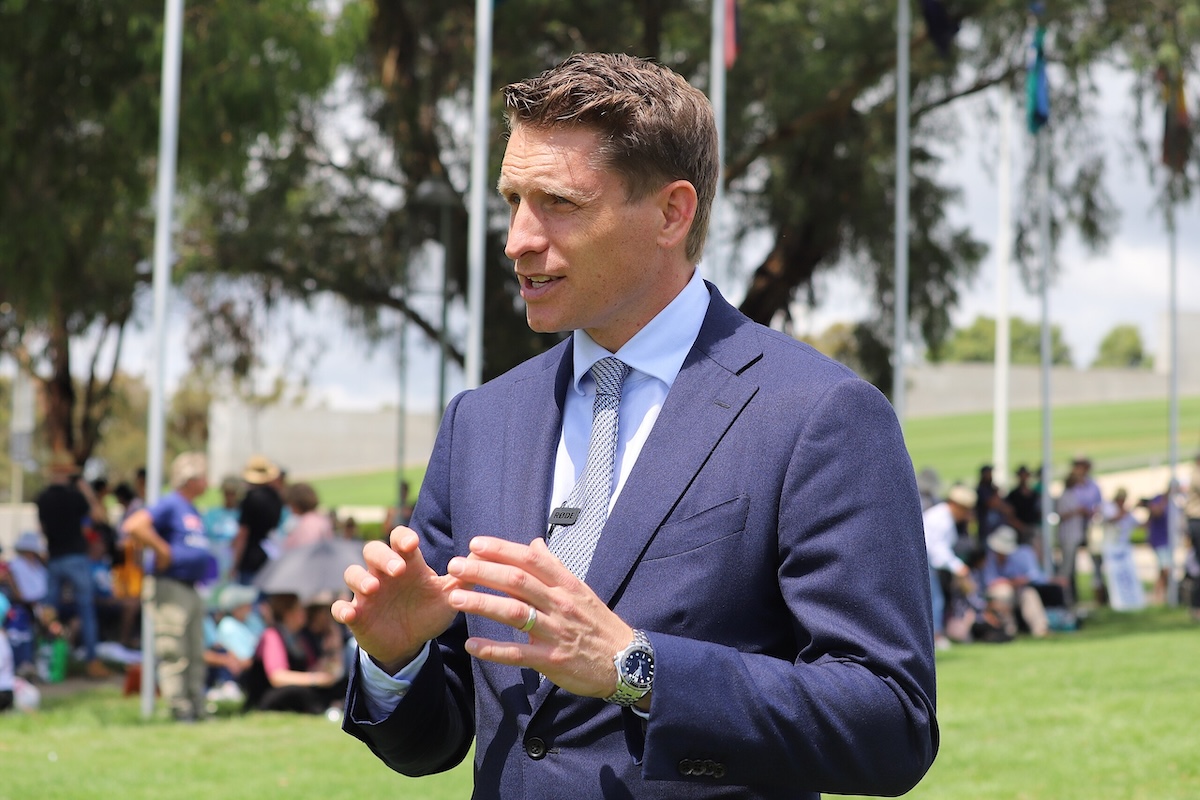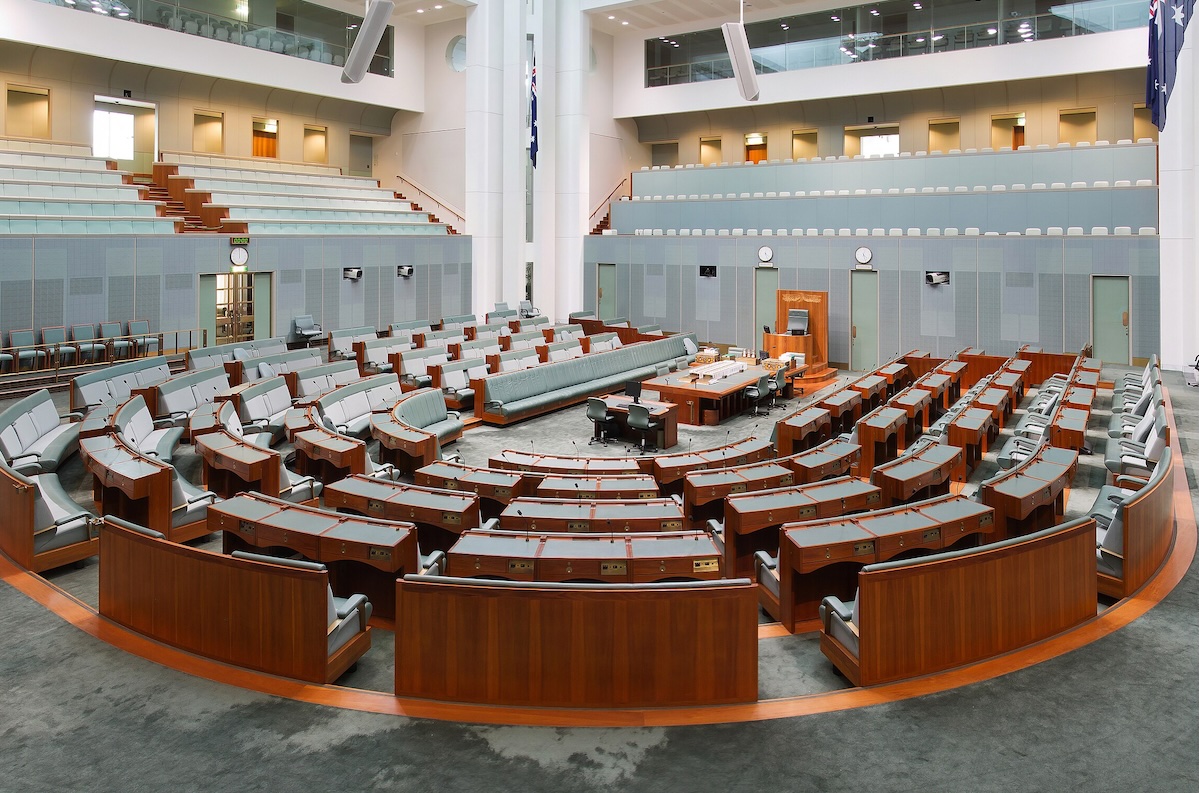
The flirtation by some “teals” with the idea of forming a new party is part of the major shakeup underway in our political system, mostly on its conservative side.
They say they want to find more effective ways to serve the community, and tackle the big issues the major parties are not addressing. They’re concerned by the One Nation surge.
On a more practical matter – money – they criticise the new funding laws for the 2028 election as disadvantaging independents compared to parties.
Perhaps a community independents’ party could make a push for Senate seats. ACT Senator David Pocock is a “teal equivalent”.
But any move by some current independents to form a party would be fraught.
To start with, even the teals are divided about the idea. Zali Steggall (Warringah) and Allegra Spender (Wentworth) at a joint news conference indicated they’re open to such a move.
“I’ve always been very keen to look at how do I grow the impact that Warringah can have on policy, and how do we in fact achieve better impact on policies,” Steggall said.
“Ultimately, this is about putting forward policies and solutions that challenge where the major parties are taking us.”
Spender said: “I think we need to build a stronger movement and a bigger movement, whatever shape that takes to deal with that better”.
Sophie Scamps (Mackellar) is also interested in something new, but quickly sent her supporters a letter saying she hadn’t made any decision, and was “disappointed” the matter had become public before she’d had time to speak to them.
On the substance, she wrote: “There is a conversation to be had about the future of the Community Independent Movement and how to keep it flourishing in a way that is different from a party, and which maintains the ability to genuinely represent individual communities yet have a strong and united voice on core issues to have a greater impact and influence”.
But teals Monique Ryan and Kate Chaney indicated they weren’t interested in forming a party.
Ryan said she would continue to represent her Kooyong electors “in the capacity in which I was elected, as a community independent”.
Chaney (Curtin) is “interested in working more collaboratively with other crossbenchers on policy – many of our communities have similar values – but right now I do not think that requires me to be a member of a political party”.
Nicolette Boele, who took Bradfield from the Liberals last year, said she would contest the next election as a community independent. But she’d involve her community in the discussion about whether there should be a formal alliance of community independents.
A new party involving existing teals would have to be a broad church. Steggall and Spender, for example, are politically different: Spender leans more to the right than Steggall.
And it’s intriguing to wonder who would be leader of such a party. Perhaps, in the name of doing politics differently, they would try to do without one?
Talk of their forming a party already plays into the criticisms the Coalition makes of the teals. “The teals are already a party,” Nationals leader Matt Canavan said on Monday.
In fact, while not a party they can be characterised as a movement, or a loose network. They’ve received substantial funding from Climate 200, as well as organisational backing (which can be quite tight) for campaigns. The crossbenchers, teals and others, liaise a lot in parliament.
While the independents might believe that, as a party, they could have more influence (for example if there were a hung parliament), they might in some circumstances have greater influence by being unencumbered.
Spender, for example, was included by the government in the 2025 economic round table because of her work on tax issues. If she’d had the complication of a party tie, it might have been a different story.
Regional independents are not interested in a party push.
Helen Haines (Indi) said: “At three elections, Indi has elected me as their independent MP, and independent is how I’ll remain”.
Rebekha Sharkie, who holds Mayo in the Adelaide Hills, is blunt. “I’m a regional independent. I don’t have a huge amount in common with teals who are in wealthy inner-metropolitan seats”.
Centrist minor parties obviously have appeal, but they tend to end in tears, even when they last a long time. The fracturing and disappearance of the Australian Democrats, who looked so permanent in their heyday, is a cautionary tale.
Michelle Grattan, Professorial Fellow, University of Canberra
This article is republished from The Conversation under a Creative Commons license. Read the original article.